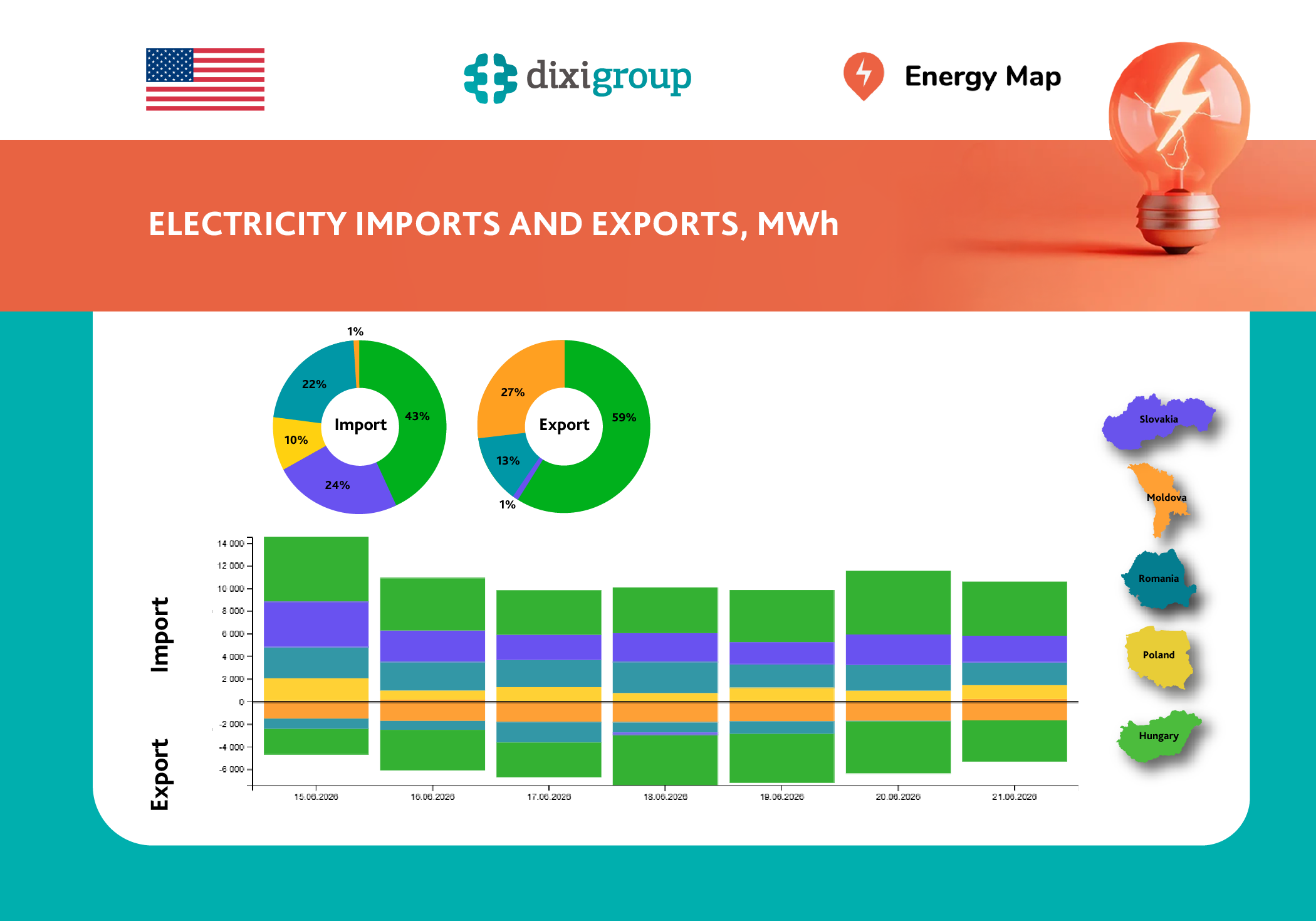
According to Energy Map, during the period of June 15-21, electricity imports to Ukraine decreased by 23% compared to the previous week and amounted to 77.4 GWh. At the same time, exports increased by 2.5 times – to 43.9 GWh, which is the maximum weekly figure since October 2025. Sunny weather and comfortable temperatures increased the output of […]
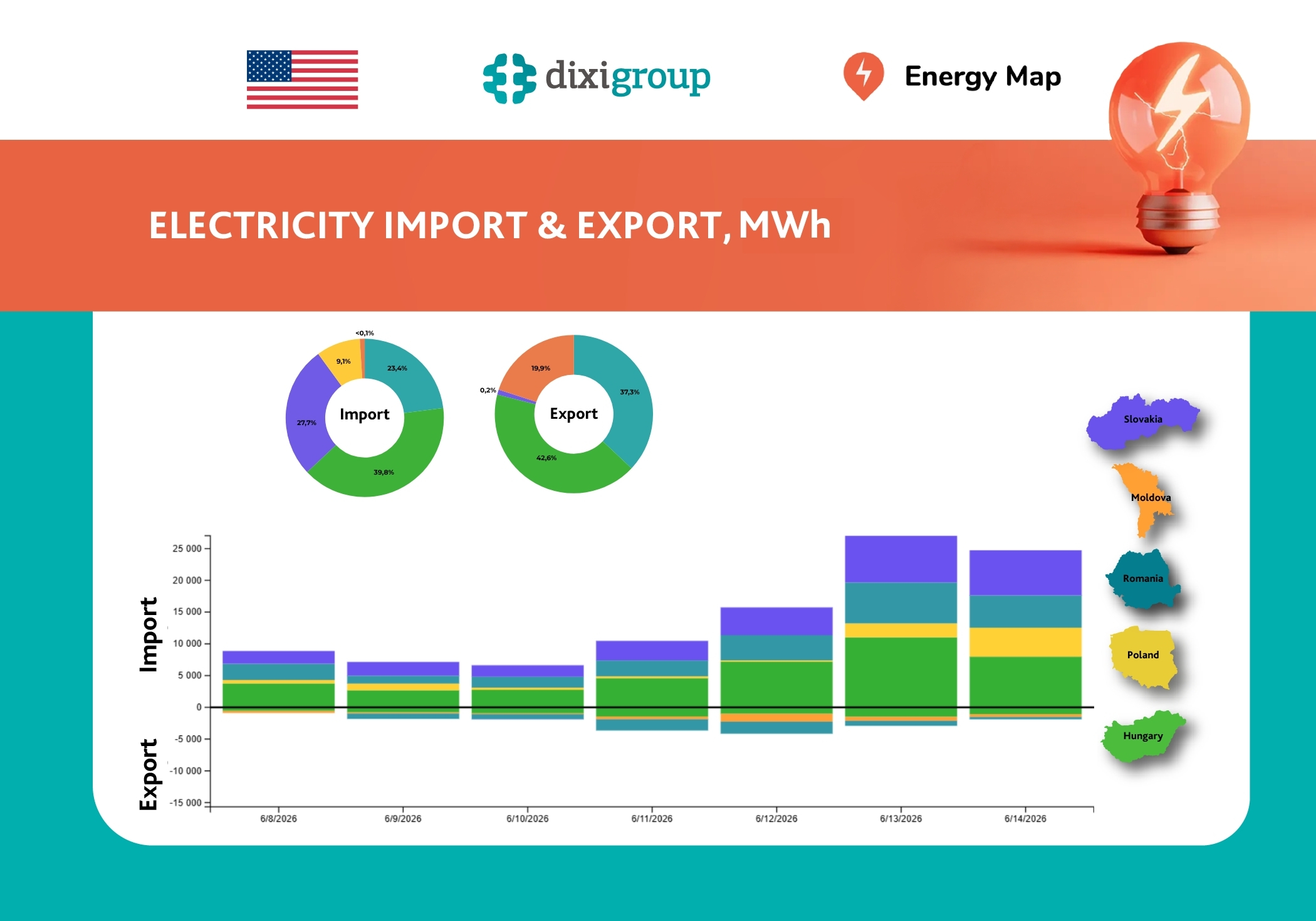
According to Energy Map, between June 8 and 14, electricity imports to Ukraine increased by 63% compared to the previous week – to 100.6 GWh. Exports decreased by 38% and amounted to 17.2 GWh. During the week, consumer demand was fully covered by domestic electricity generation and commercial imports, without the need to implement any electricity consumption restrictions. Import […]
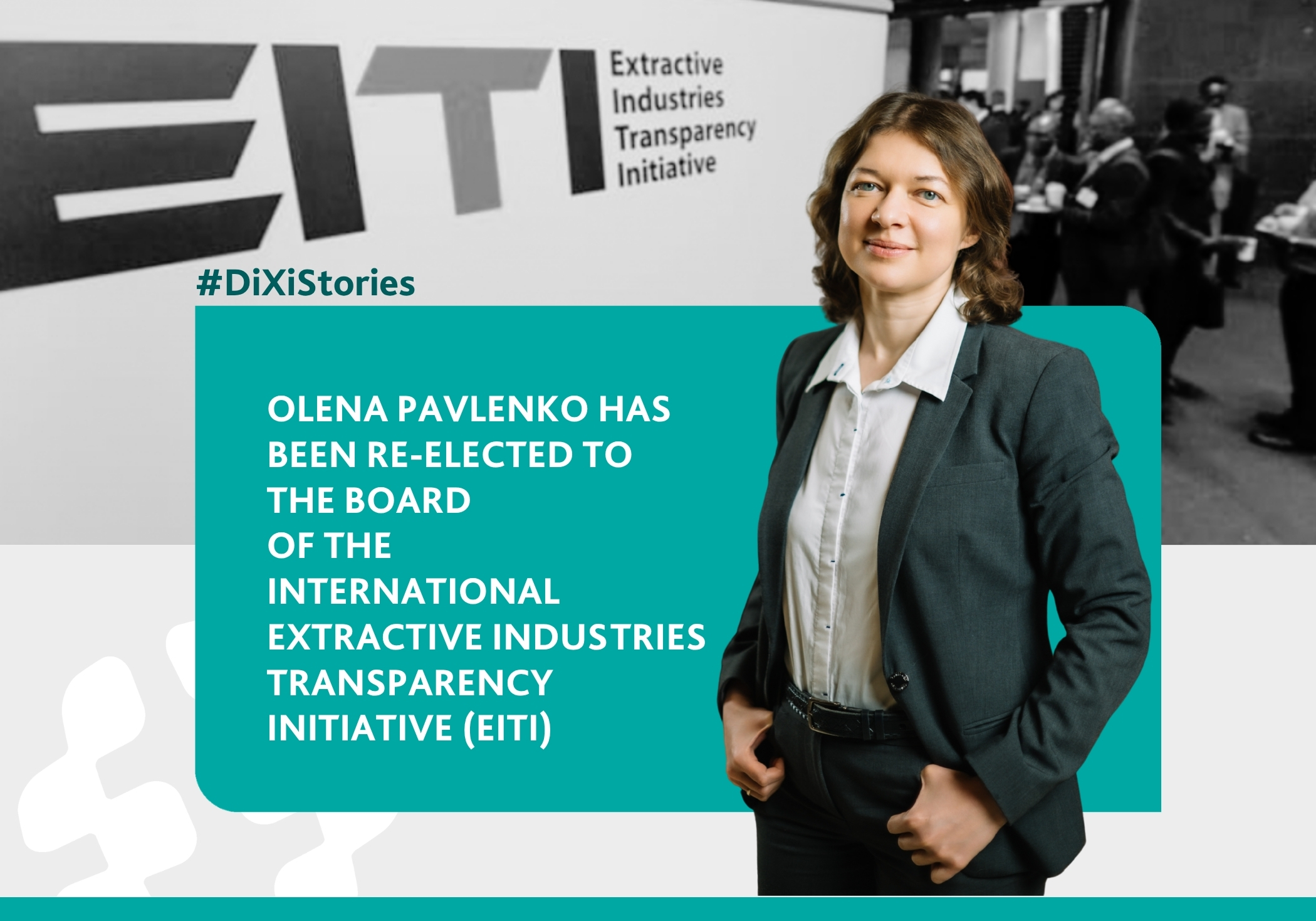
Olena Pavlenko, President of DiXi Group, has been elected to a second term on the Board of the Extractive Industries Transparency Initiative (EITI) – the body responsible for the strategic management of the standard at the international level. In the new Board, whose term will run from 2026 to 2029, the expert will once again […]
The Cabinet of Ministers of Ukraine has approved the Strategy for the Development of Industries Based on Strategic and Critical Raw Materials by 2056 (Critical Minerals Strategy), along with the 2026-2028 Action Plan for its implementation. The documents were developed by the DiXi Group team with support from the Ministry of Economy, Environment and Agriculture […]
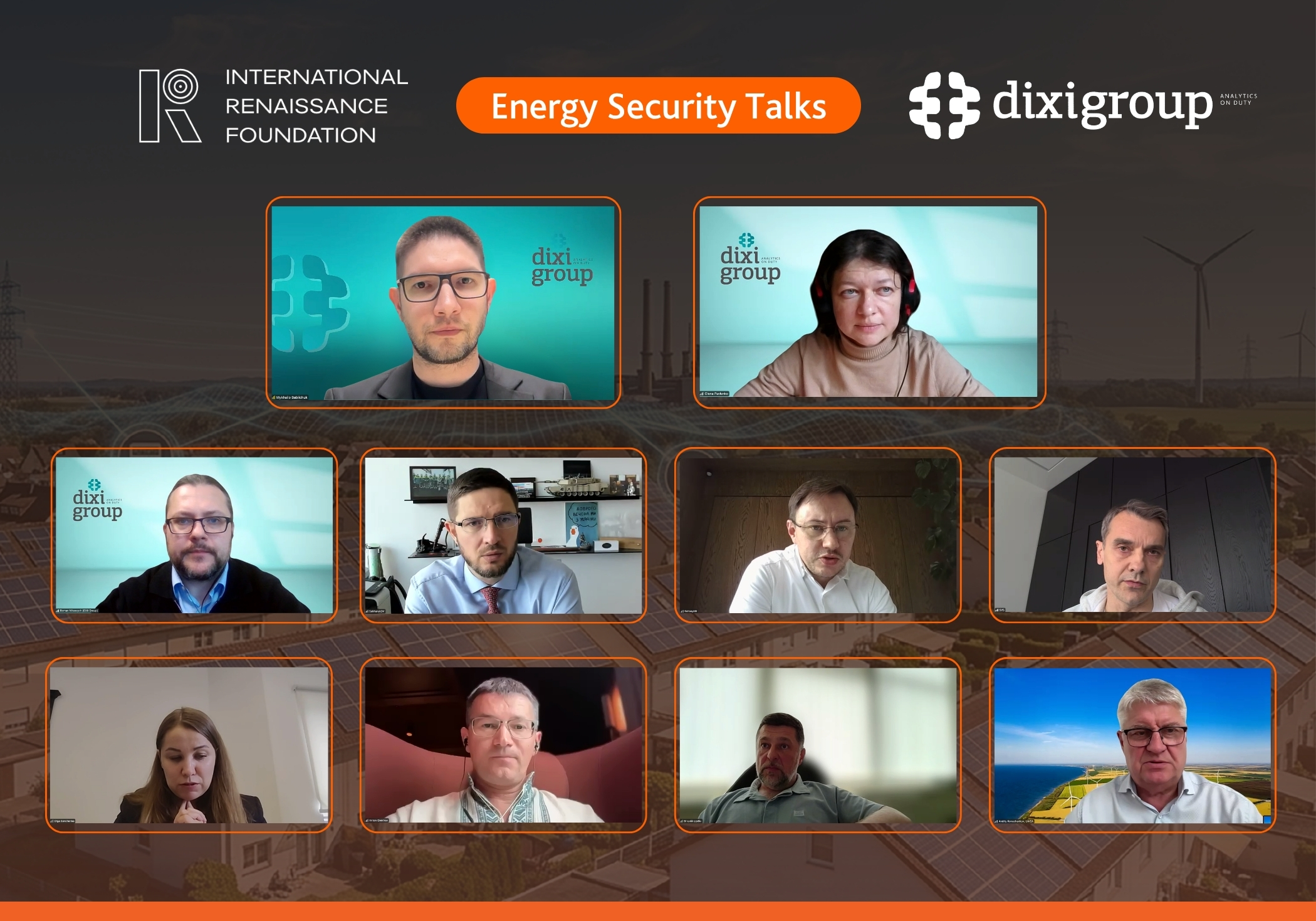
During the presentation of the Summer Outlooks assessment of the summer period in the electricity and gas sectors, a discussion titled “Energy Security Talks: Decentralized Energy in Ukraine—A Temporary Response to the War or a New Model for the Power System?” took place. Experts and market participants discussed what solutions could help Ukraine improve the […]
Ukraine has updated its National Energy and Climate Plan for the period to 2030 (NECP), reflecting new data, economic recovery needs, strengthened energy security priorities, and the country’s EU accession process. DiXi Group experts contributed to the revision of the document. The updated NECP sets energy and climate targets for the coming years, along with […]
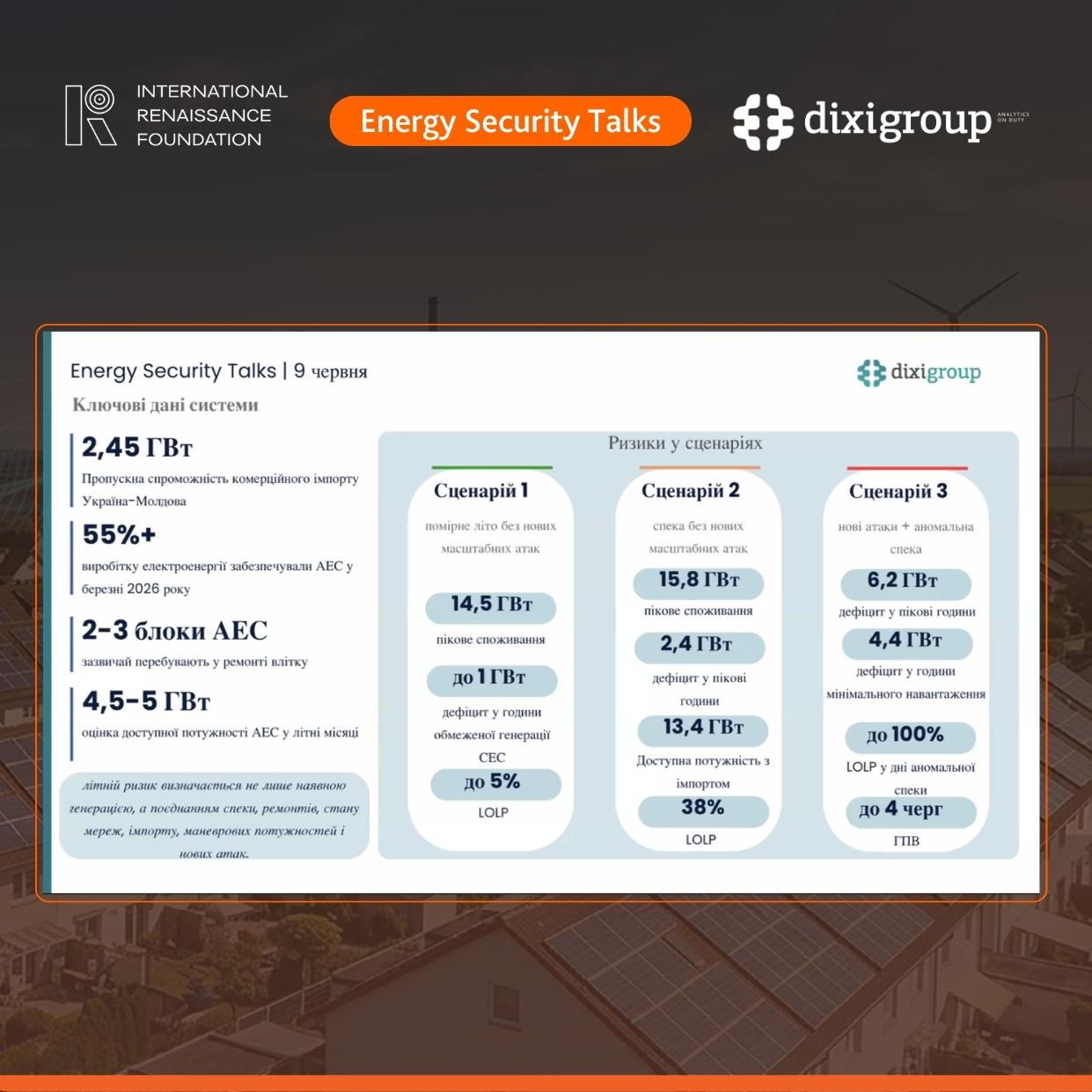
DiXi Group presented the findings of its Summer Outlooks assessment during the online discussion Energy Security Talks: Summer Outlooks – Forecast for Ukraine’s Energy System This Summer. Experts from the think tank assessed the preparedness of Ukraine’s electricity and gas sectors for the summer period and developed a range of scenarios based on weather conditions, […]
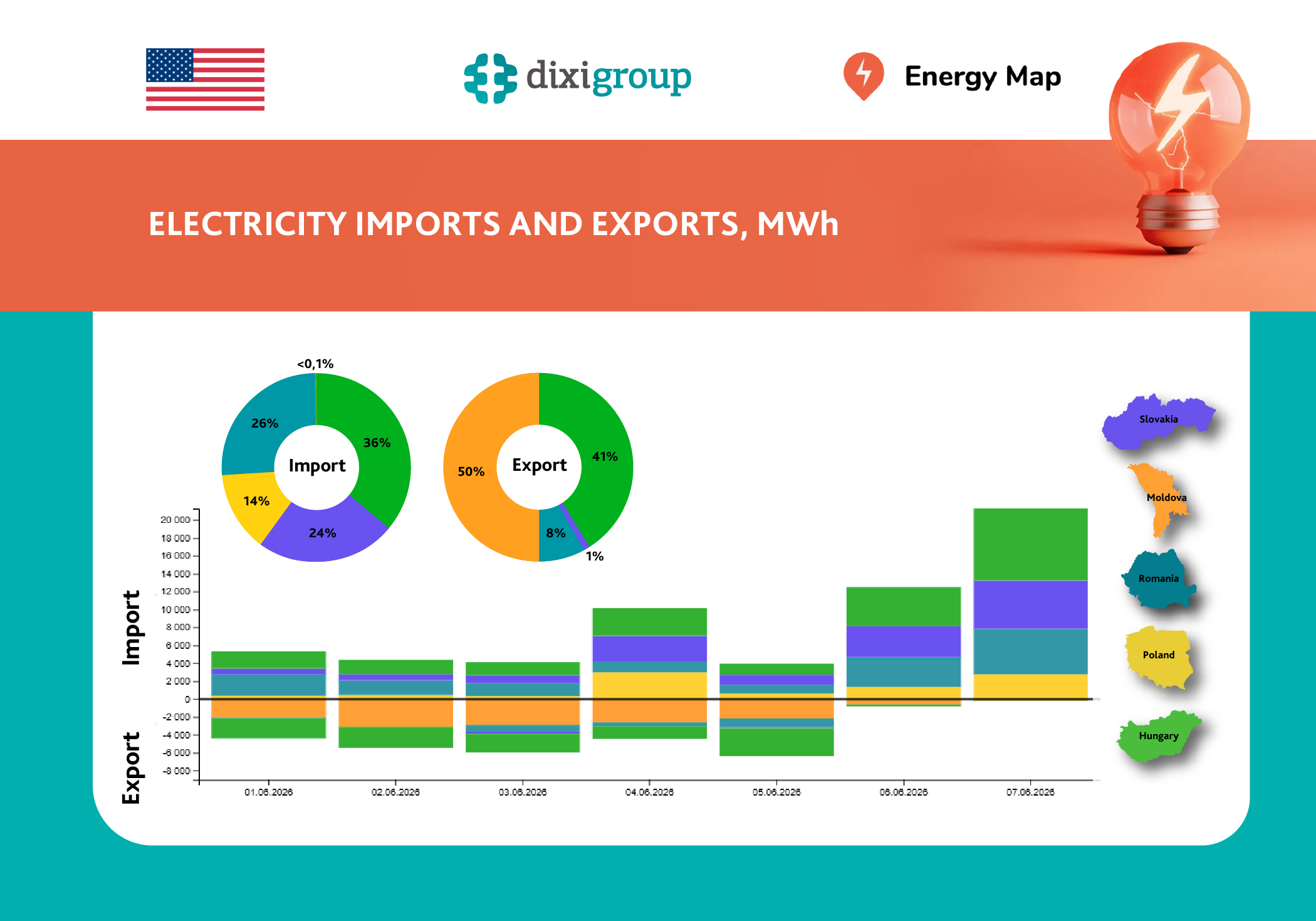
According to Energy Map, during June 1-7, electricity imports to Ukraine decreased by 37% compared to the previous week – to 61.6 GWh. This is the first decrease in the indicator in the last four weeks. Exports also decreased – by 20%, to 27.9 GWh. Despite russian attacks on the energy infrastructure, including a massive missile […]
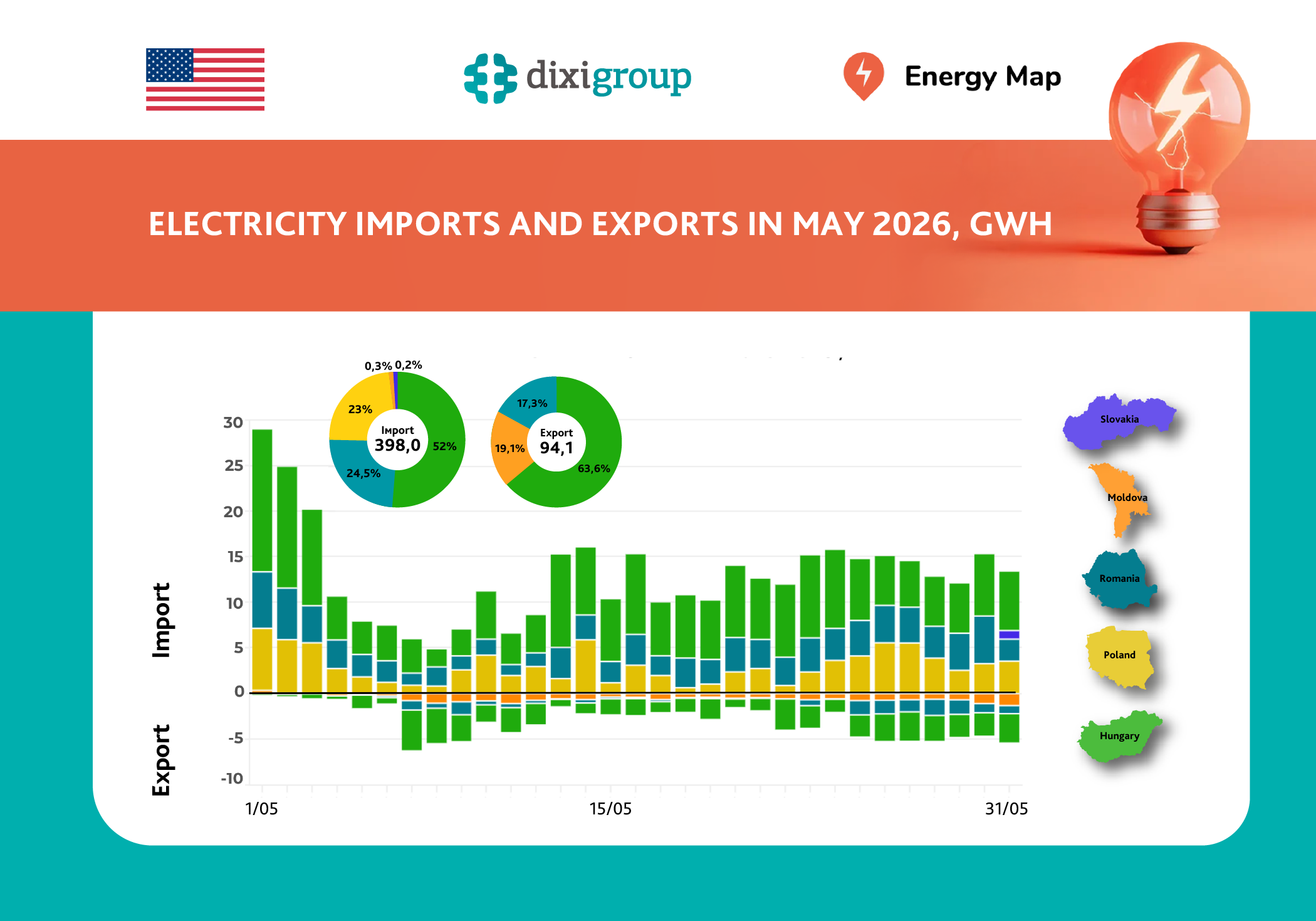
According to Energy Map, in May 2026 Ukraine reduced electricity imports by 29% compared to April, to 398.0 GWh. This is the third month in a row when the volume of import supplies has decreased. At the same time, electricity exports increased by 2.8 times, reaching 94.1 GWh. Despite this growth, Ukraine remained a net importer […]
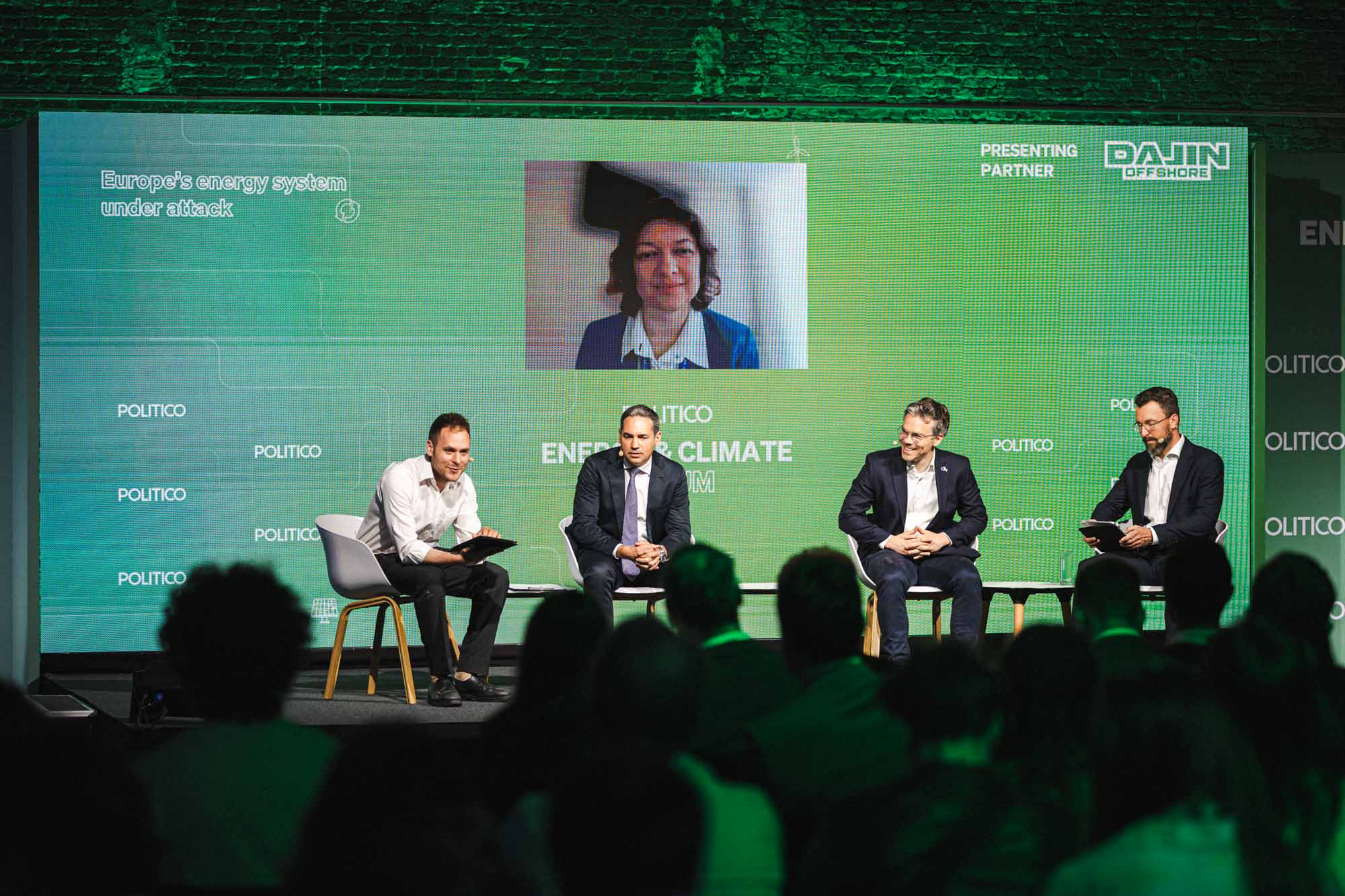
Ukraine continues to adapt to evolving Russian tactics targeting energy infrastructure while accumulating unique experience that can help European countries strengthen their own energy security. This was highlighted by Olena Pavlenko, President of DiXi Group, during the POLITICO Energy & Climate Forum, dedicated to the resilience of energy systems in the face of modern threats. […]
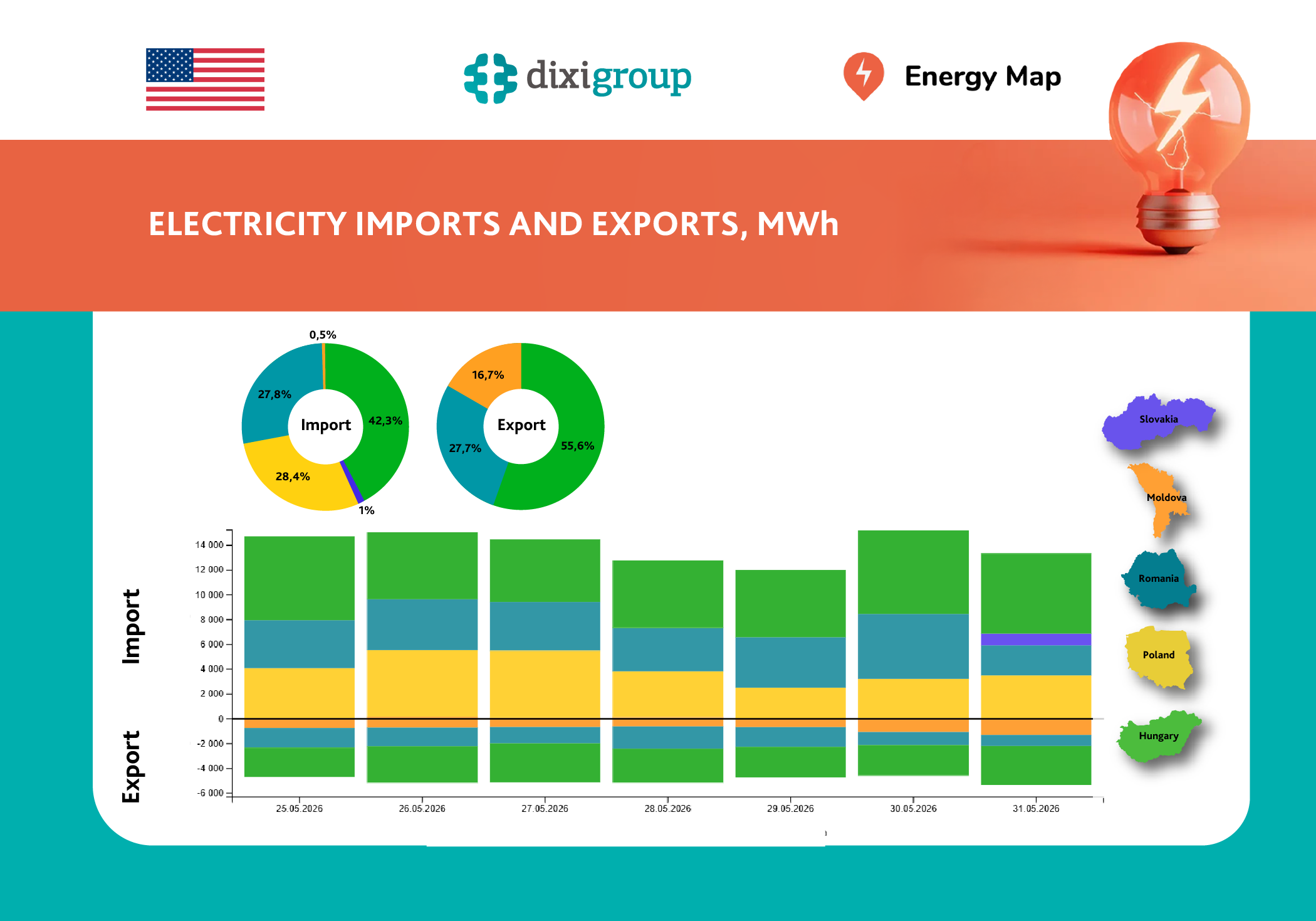
According to Energy Map, during May 25-31, electricity imports to Ukraine increased by 8% compared to the previous week – to 97.6 GWh. Exports increased by 97% to 34.8 GWh. At the same time, electricity imports exceeded exports by 2.8 times. Throughout the reporting period, consumer demand was fully covered by domestic electricity generation and commercial […]
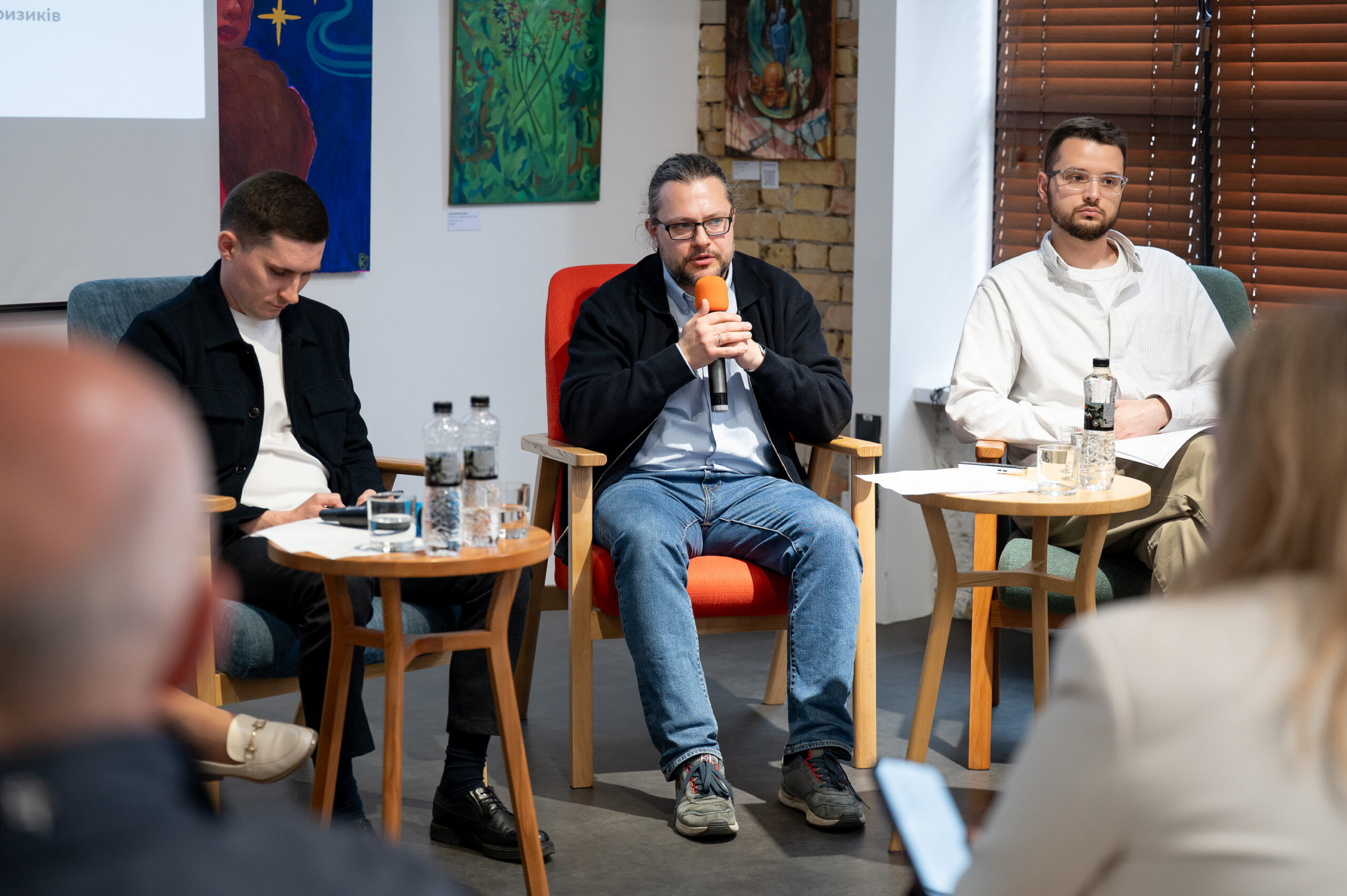
At the presentation of the May monitoring report on the implementation of the IMF program and EU assistance by the RRR4U consortium, experts discussed the status of Ukraine’s fulfillment of its commitments to international partners in the context of preparations for the Ukraine Recovery Conference 2026 across five thematic dimensions. Roman Nitsovych, Research Director at […]