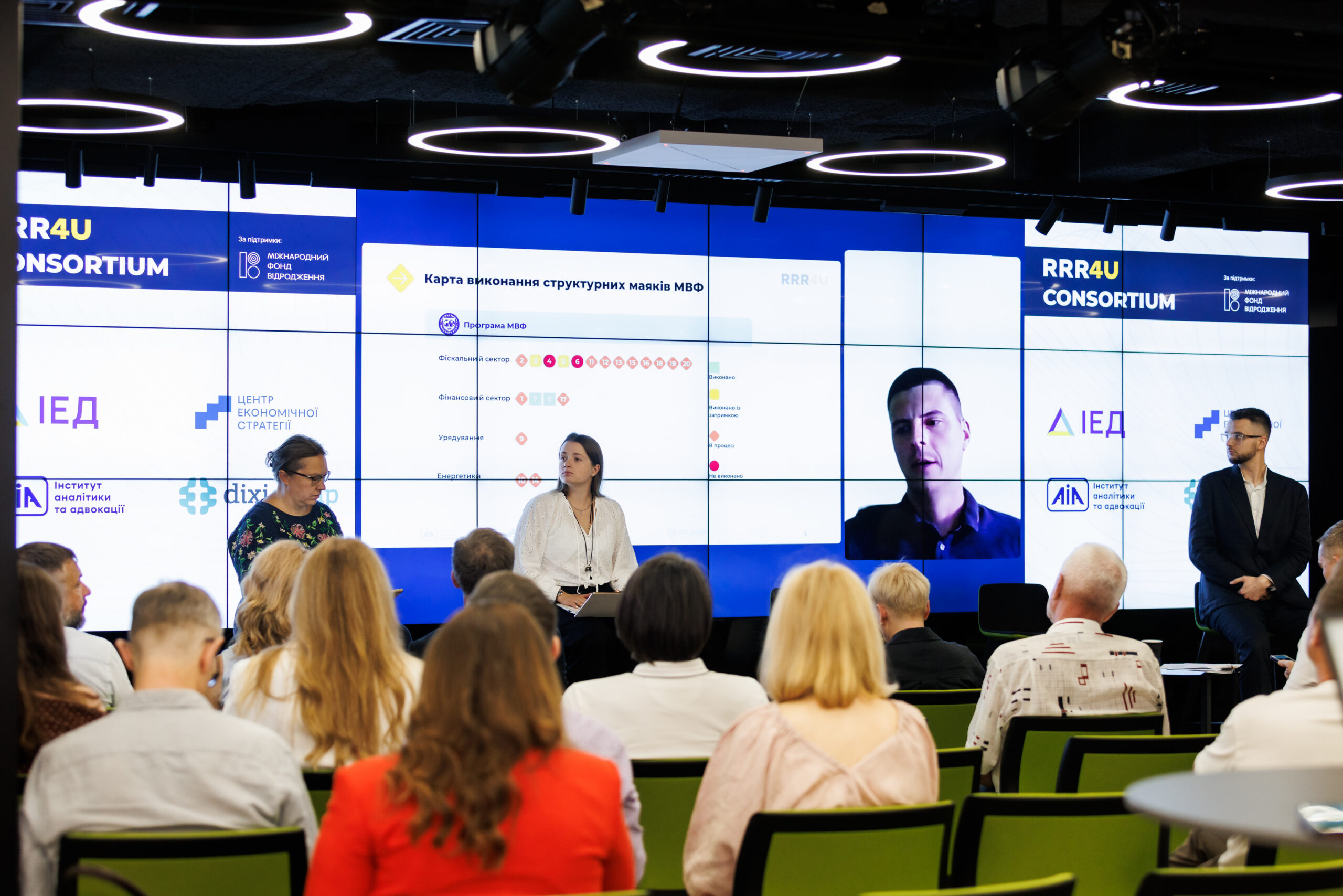
A discussion titled “Lessons from Ukraine for Strengthening the Energy Resilience of EU Member States” took place in Berlin. The event was organized by the DiXi Group think tank together with the Ukraine Office of the Konrad Adenauer Foundation. The discussions focused on Ukraine’s unique experience in ensuring the resilience of its energy system during the full-scale war and how this experience is already shaping new approaches to Europe’s energy security.
During the event, DiXi Group President Olena Pavlenko emphasized that Ukraine is not only continuing to defend its own energy system under constant attacks, but is also developing practical experience that could be valuable for EU countries.
“Energy resilience is no longer solely a technical issue — it is a matter of security for democratic states. Ukraine is going through an unprecedented experience of attacks on critical infrastructure, and the lessons we are learning can help European countries better prepare for new threats. We see how attacks on the energy sector are used to pressure society, the economy, and democratic institutions. That is why resilience today is not only Ukraine’s issue — it is a challenge for all of Europe,” said Olena Pavlenko.
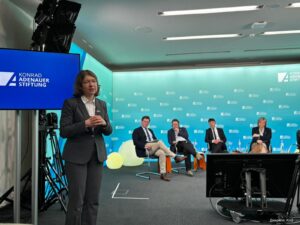
She also stressed that Ukraine is forced to simultaneously respond to the daily consequences of attacks while developing long-term solutions for building a new architecture of energy resilience — with a greater role for decentralization, protection of critical infrastructure, and crisis planning.
As part of the presentation, the DiXi Group team shared the key findings of a special study on the functioning of Ukraine’s energy system under wartime conditions. In particular, the discussion addressed the vulnerability of centralized systems, the need to develop distributed generation, the protection of critical infrastructure facilities, and increasing flexibility.
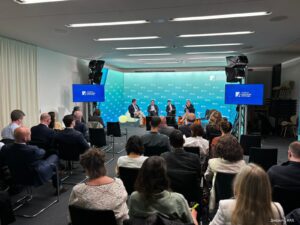
Roman Nitsovych, Research Director at DiXi Group, also highlighted the challenges of the upcoming heating season and the importance of continued international support.
“Even with sufficient volumes of electricity imports available, the key challenge remains the resilience of the grids and the ability to transmit electricity to the regions where generation capacity has suffered the most damage. That is why grid resilience and the development of distributed generation are becoming critically important. Ukraine is also facing a new wave of attacks on gas infrastructure, which directly affects preparations for the next winter season. Under these conditions, support from partners remains critically necessary — both for restoring damaged facilities and for developing new, more resilient solutions,” emphasized Roman Nitsovych.
Following the presentation, a panel discussion was held with representatives of the Bundestag, municipalities, and business. Participants discussed how Ukraine’s experience could be integrated into EU energy security policies, particularly through the development of decentralized generation, creation of strategic equipment reserves, and crisis planning for the operation of energy systems during hybrid attacks.
Special attention was also given to the role of local generation, including experience in developing cogeneration units to ensure the operation of critical infrastructure during outages.
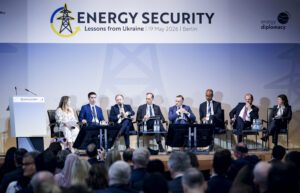
Representatives of the German side emphasized that Ukraine’s experience is already influencing approaches to energy policy and security in Germany. In particular, attention is focused on grid digitalization, the development of battery energy storage systems, and increasing flexibility.
Ukraine’s experience in protecting its energy system is increasingly being integrated into European discussions on the security and resilience of critical infrastructure. In particular, DiXi Group President Olena Pavlenko took part in the conference “Energy Security – Lessons from Ukraine” organized by the German Federal Foreign Office.
“Ukraine is no longer only receiving assistance — it has become a strong partner for Europe. Today, European governments and companies are turning to Ukrainian experts to strengthen their own energy security. Our experience demonstrates that resilience must be built through decentralization, protection of critical infrastructure, the creation of equipment reserves, and coordination between governments and businesses. We already see how Ukraine’s experience is being integrated into European approaches, and this process will only intensify,” emphasized Olena Pavlenko.
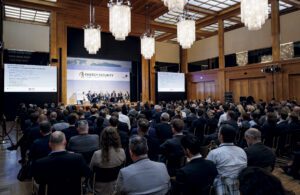
She stressed that Ukraine and the EU must jointly shape a new European energy security system. High-level participants of the panel included Stefan Rouenhoff, Parliamentary State Secretary at the German Federal Ministry for Economic Affairs and Energy; Mihai Popșoi, Deputy Prime Minister and Minister of Foreign Affairs of Moldova; Jean-Charles Ellermann-Kingombe, NATO Assistant Secretary General for Cyber Defence and Digital Transformation; Maksym Timchenko, CEO of DTEK Group; Stefan Kapferer, CEO of 50Hertz Transmission GmbH; as well as representatives of the governments of Canada and Poland.
During the discussion, speakers addressed the protection of critical infrastructure, the development of decentralized generation, the creation of strategic equipment reserves, cybersecurity for energy systems, and new mechanisms of coordination between governments and energy companies.
Participation in the events was also made possible through the support of the International Renaissance Foundation within the framework of the project “Strengthening Ukraine’s Resilience in Energy” (SURE)”.