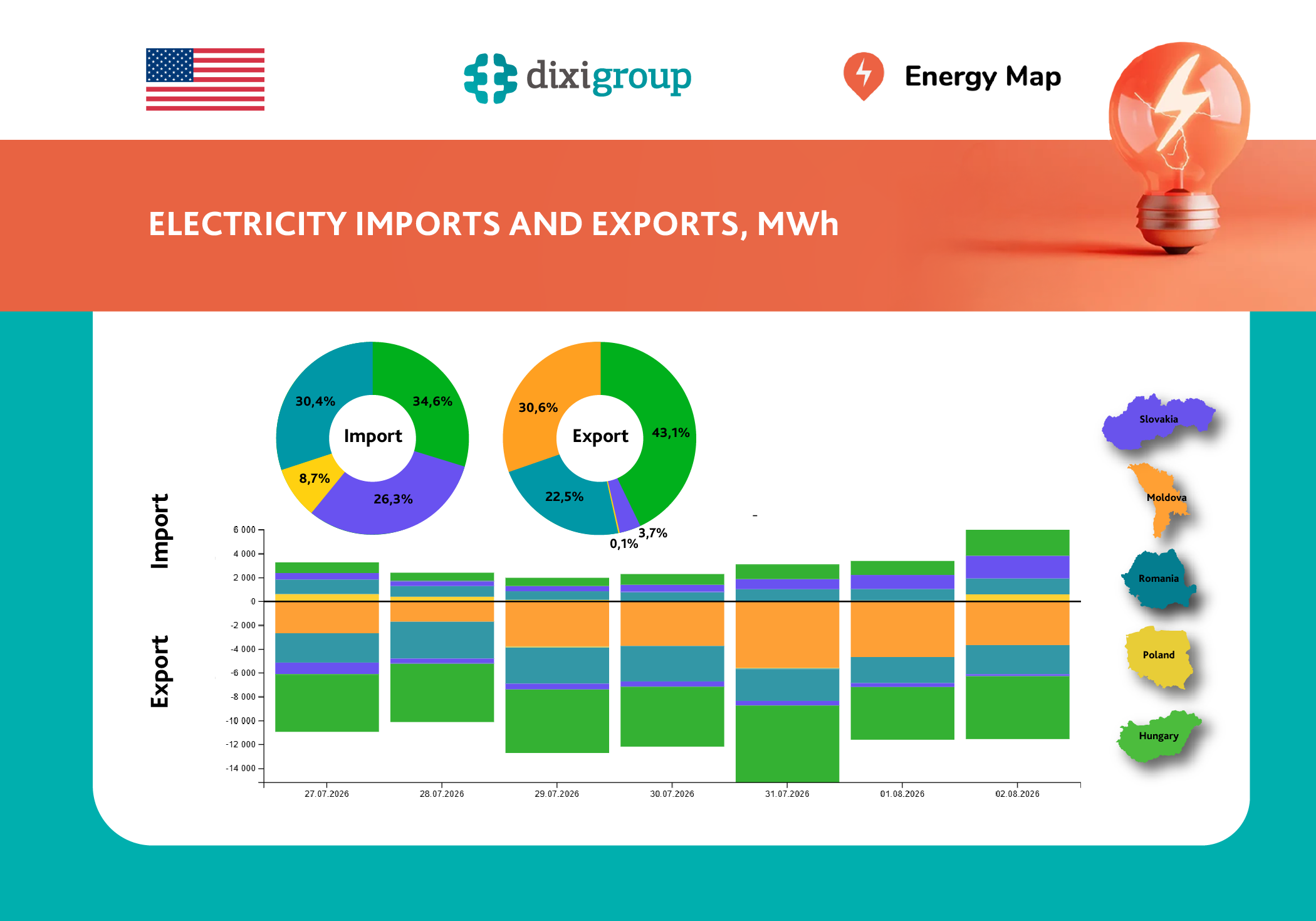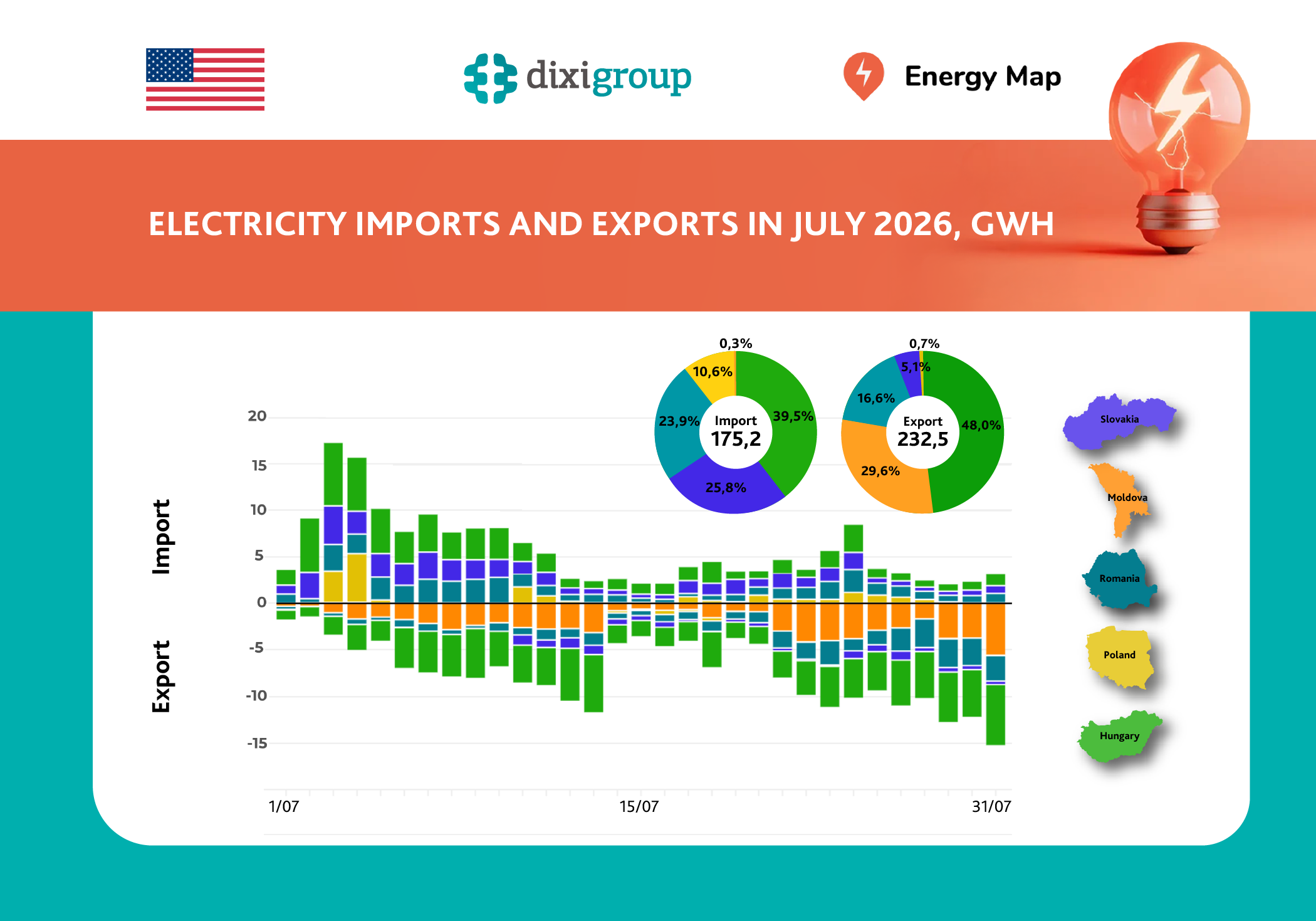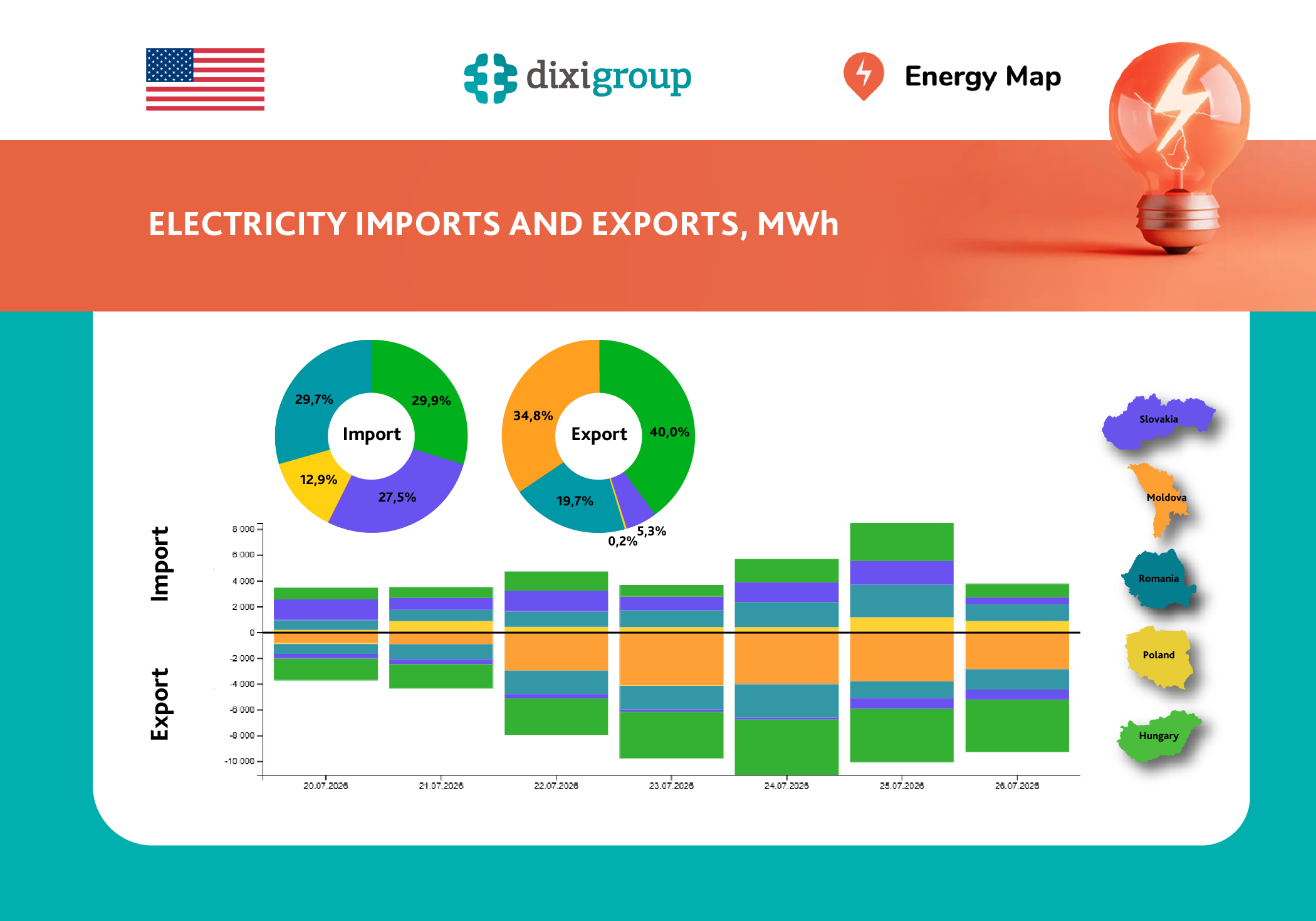
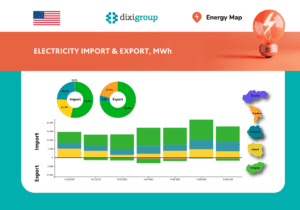
According to Energy Map, in the period from April 13 to 19, Ukraine reduced electricity imports by 21% – to 114.9 GWh. At the same time, exports increased more than 4 times – from 2.2 GWh to 10.3 GWh, however, these volumes remain insignificant and are formed only during individual hours of temporary surplus, without affecting the provision of domestic demand.
Throughout the week, russia continued its attacks on energy infrastructure. In particular, on April 16, another massive attack on the energy system was carried out, with energy facilities in Kyiv and southern regions as the main targets.
At the same time, weather conditions partially stabilized the power system. A gradual rise in temperatures and sunny weather contributed to lower electricity consumption and increased solar generation, which helped partially offset the losses caused by russia and avoid large-scale outages.
Consumption restrictions were applied selectively – only on Monday, April 13 (06:00-08:00 and 16:00-24:00) – and affected exclusively non-household consumers.
Electricity imports decreased across all directions by 15-27%. At the same time, supplies from Slovakia remained absent for the second consecutive week.
Import structure by country:
- Hungary – 61.8 GWh (53.8%);
- Romania – 27.8 GWh (24.2%);
- Poland – 24.7 GWh (21.5%);
- Moldova – 0.6 GWh (0.5%).
Electricity exports remained limited and were carried out only during specific hours of surplus – mainly at night and during daytime periods of lower demand.
Export structure by country:
- Hungary – 7.5 GWh (72.6%);
- Moldova – 2.2 GWh (21.1%);
- Romania – 0.6 GWh (6.3%).
The material is made possible by the support of the American people as part of the Energy Sector Transparency Project implemented by DIXI GROUP. The information contained in this material is the sole responsibility of DIXI GROUP and can under no circumstances be taken to reflect the position of the U.S. Government.