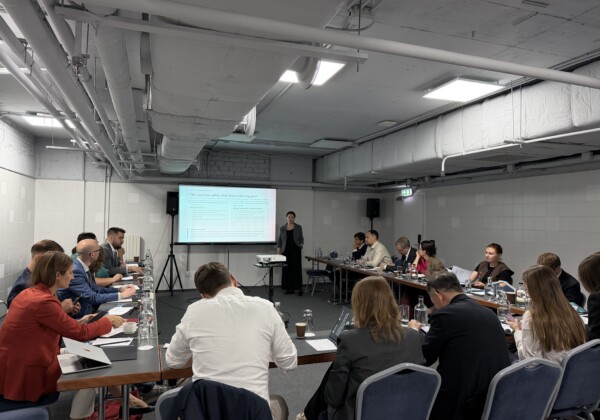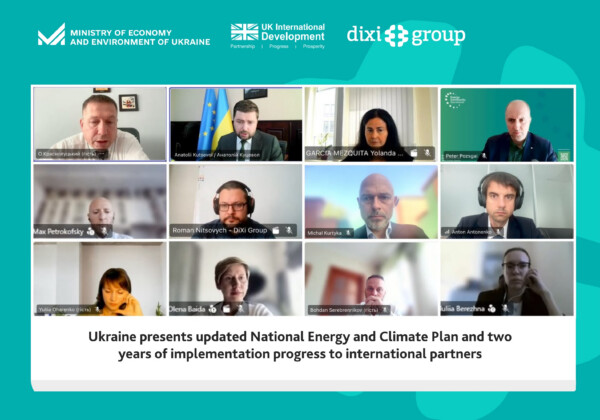
Ukraine has resumed progress in fulfilling its commitments to international partners. However, the pace remains unsatisfactory, despite the European Commission’s flexibility in deciding to disburse a tranche of 2.75 billion euros. This was stated by experts from the RRR4U consortium during an April presentation of the Monitoring of the Implementation of IMF Program Conditions and EU Assistance under the Ukraine Facility. The event was moderated by Roman Nitsovych, DiXi Group Research Director.
“Under the IMF program, progress in April was minimal. On the positive side, the government appointed a head of the State Customs Service – a step that was supposed to have been taken by March, and originally even by June 2025. Another structural milestone has effectively been achieved thanks to the completion of the state’s divestment from non-systemic banks,” said Maksym Samoiliuk, an economist at the Center for Economic Strategy.
Meanwhile, tax obligations remain unfulfilled – while a 5% military levy was successfully implemented for three years following the war, the Verkhovna Rada is still not ready to introduce VAT for sole proprietors. Consequently, the Ukrainian government and the IMF are discussing postponing this decision until 2027.

Commenting on the fulfillment of commitments to the World Bank and the EU under the Ukraine Facility program, Oleksandra Betliy, a leading research fellow at the Institute for Economic Research and Policy Consulting, noted that in early April, parliament
passed several important laws that were among the overdue indicators of Ukraine’s 2025 Plan. Specifically, these include the reform of the digitization of enforcement proceedings (No. 14005), deregulation in certain sectors (No. 14030), and the adoption of so-called electricity integration package (No. 12087-d) – the latter is also an indicator under the World Bank’s Development Policy Operation (DPO) loan program. At the same time, two more 2026 targets were fulfilled this month.
“The government has submitted its report, and we are already aware of the European Commission’s decision to approve a tranche of 2.75 billion euros. In fact, this is the amount we would have received had we met all 17 indicators for the last quarter of the previous year; in reality, only 9 were met. This is because, for the sake of flexibility, the EU has changed the methodology for disbursing tranches, and we will receive funds even for 4 met indicators with deadlines in 2026. This flexibility is primarily linked to the EU’s understanding of just how essential this funding is,” emphasized Oleksandra Betliy.
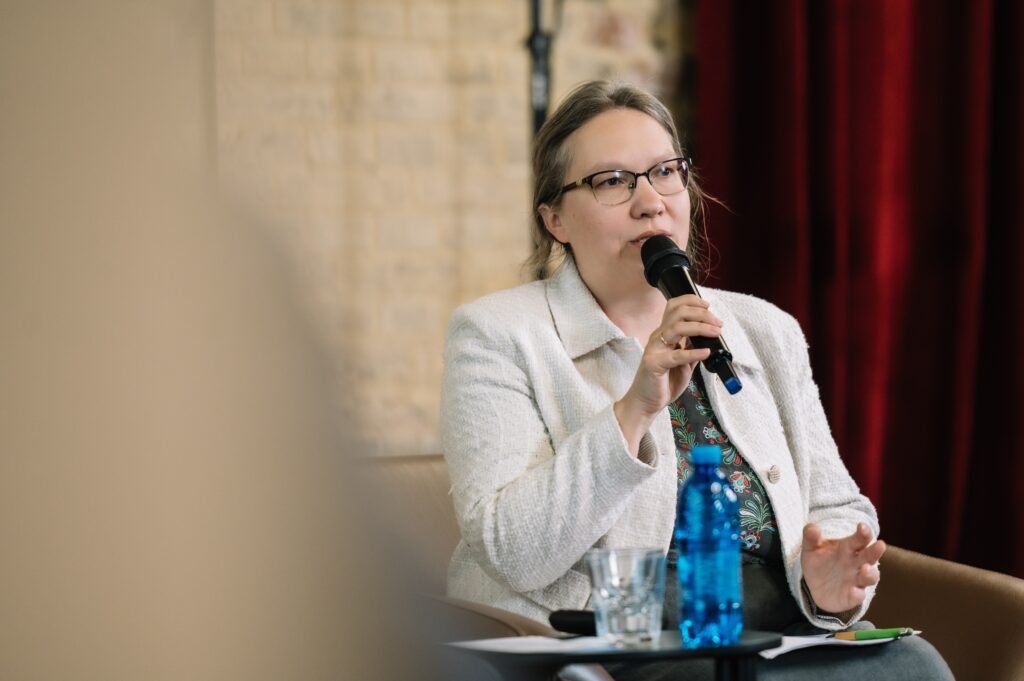
Among the “outstanding indicators”, the expert noted the need to increase the staffing of Ukraine’s High Anti-Corruption Court – there are two months left to implement this reform, and with it, the opportunity to receive an additional €300 million. Additionally, changes regarding the review and verification of judges’ integrity declarations (No. 13165-2). As of the fourth quarter of 2025, 9 indicators with a total “value” of 2.1 billion euros remain unmet.
Of these, progress has been made on only two – amendments to legislation on the civil service (No. 13478-1) and on improving permitting procedures for investments in renewable energy (No. 14271) have been adopted in principle.
Regarding the World Bank loan program, three additional draft laws are awaiting adoption: public procurement, interoperability in rail transport, and the Single Euro Payments Area (SEPA). According to the expert, the latter raises concerns among parliamentarians regarding excessive transparency and access to banking data. But in reality, “financial visa-free travel” reduces transaction costs for both businesses and сustomers.
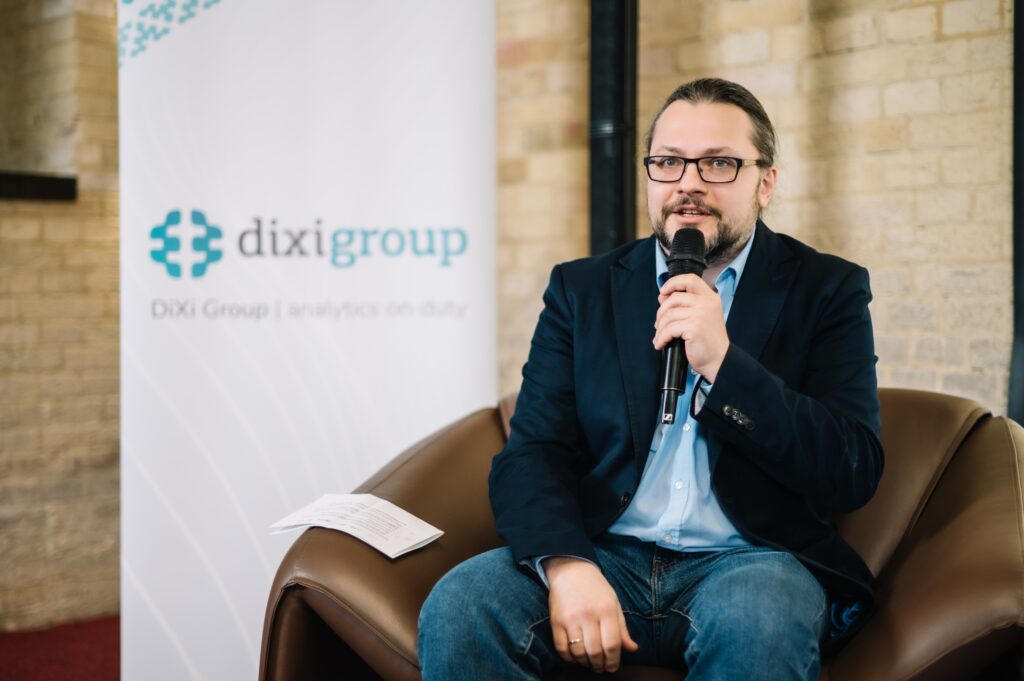

*RRR4U (Resilience, Reconstruction and Relief for Ukraine) is a consortium of four Ukrainian civil society organizations: the Centre for Economic Strategy, the Institute for Economic Research and Policy Consulting, the Institute for Analytics and Advocacy, and DiXi Group.
RRR4U publishes monthly monitoring reports on Ukraine’s fulfillment of the conditions of key international financial programs with the IMF and the EU. You can find previous editions on the consortium’s website – https://rrr4u.org/.
The event was supported by the International Renaissance Foundation.