At the discussion “Plans for Energy Market Liberalization: How Much Will We Pay for Electricity and Gas After the War?”, DiXi Group Research Director Roman Nitsovych stressed that while international partners are showing considerable flexibility toward Ukraine, they will most likely maintain a firm position on the need to liberalise energy markets.
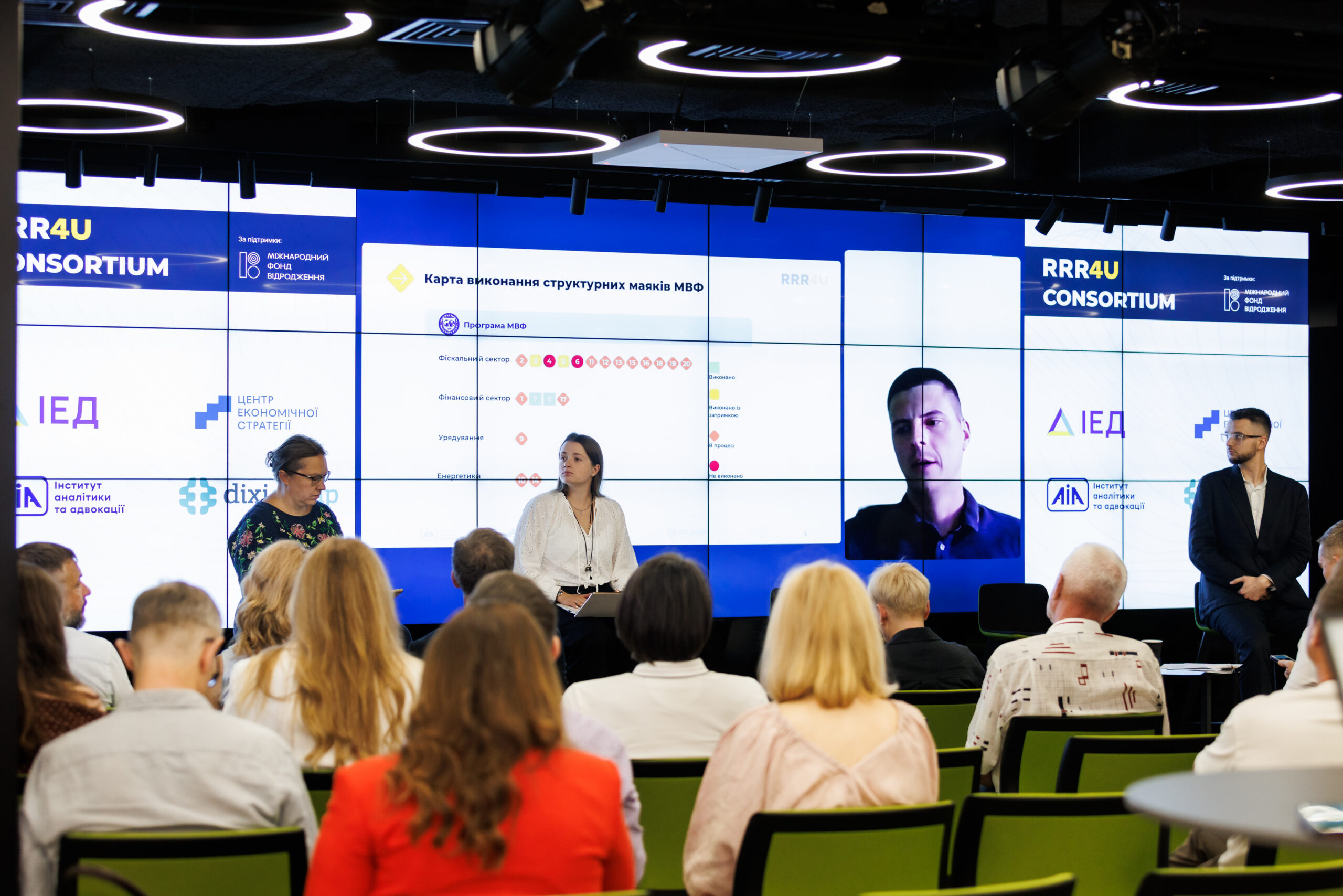
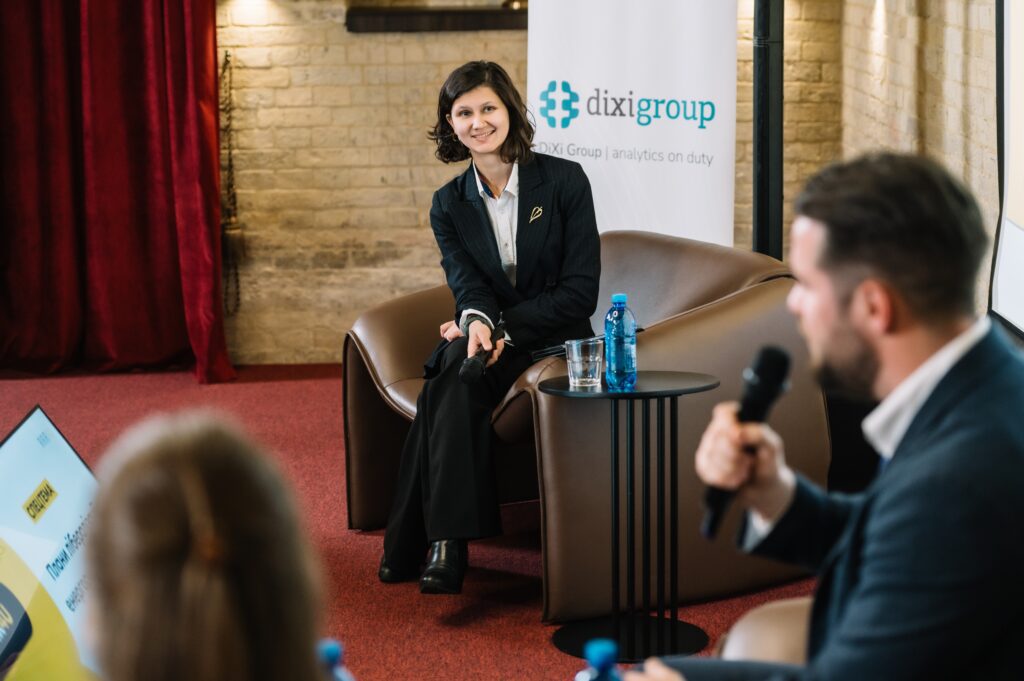
The discussion, which brought together representatives of the international community and the Ukrainian parliament, took place as part of the April presentation of the RRR4U consortium’s monitoring of compliance with IMF Program Conditions and EU Assistance under the Ukraine Facility. The event was moderated by Kyiv Post business reporter Olena Hrazhdаn.
“We are not saying that market changes must happen overnight – preparation is needed, as this reform touches on many quasi-fiscal operations that affect both budget revenues and state-owned companies’ finances. Both Brussels and Washington are ready to discuss the timeline, terms, and modalities of such a transition, but we must carry it out – otherwise we will not secure a worthy place in the European energy market. Without real competition and an open market, attracting serious investment will be very difficult”, Roman Nitsovych told.

DiXi Group project expert Alona Korohod reminded participants that the gradual liberalisation of the gas and electricity markets – to be implemented after the end of martial law – is one of the indicators under the Ukraine Facility. The relevant roadmaps must be adopted by the end of Q2 2025. A further obligation, due in Q4, is the lifting of the moratorium on raising tariffs for heating and hot water. The moratorium has already been partially lifted for non-household consumers, businesses and public institutions.
Ukraine’s international partners also emphasise the need for effective protection of vulnerable consumers. Developing scenarios for a financially sustainable reform – together with a technical analysis of quasi-fiscal support costs in the electricity, gas, and heating markets – is one of the structural benchmarks under the new IMF programme, due to be met by July.
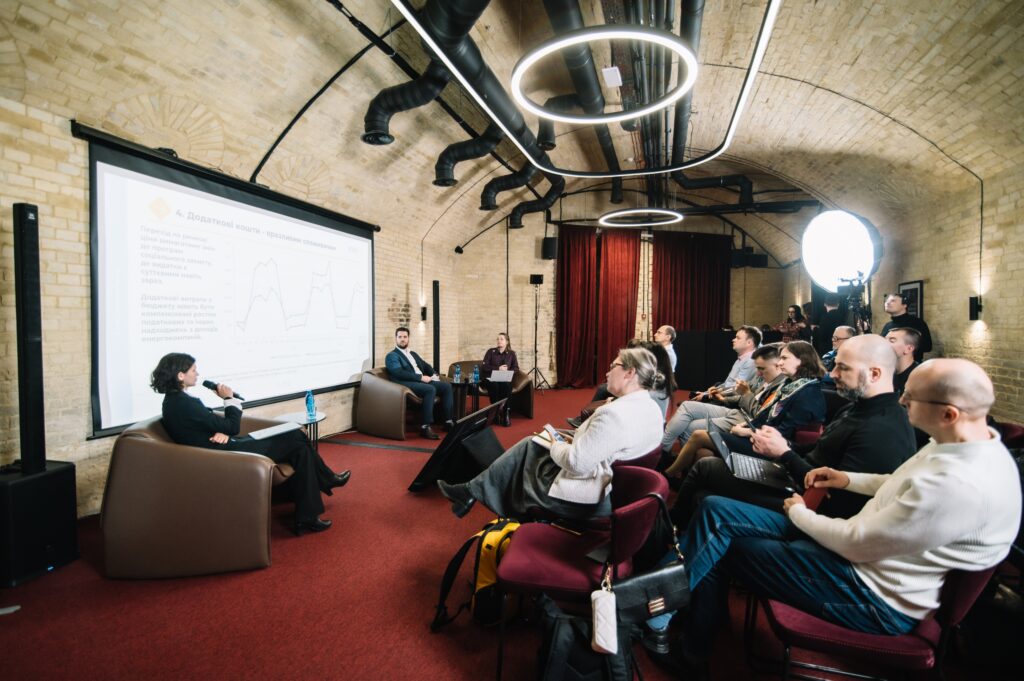
As the expert noted, despite some movement toward market conditions, the gap between current household prices and their economically justified levels remains substantial. For example, most households pay UAH 7.96 per cubic metre of gas, against UAH 27.84 – the cost-reflective level as of early April, according to DiXi Group calculations.
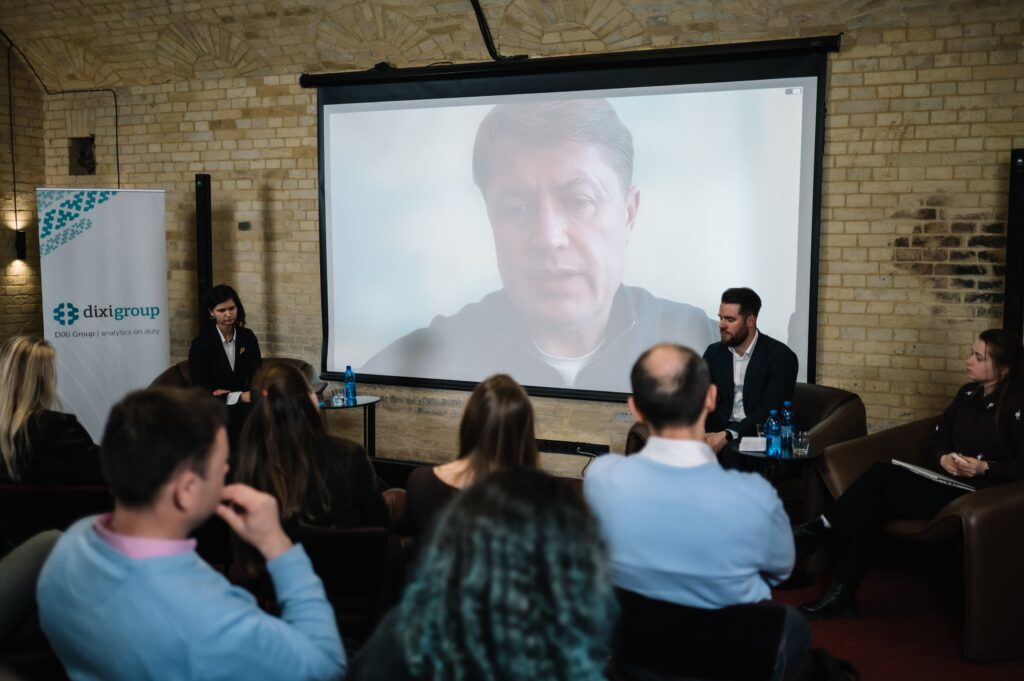
Aron Kerpel-Fronius, Energy Policy Officer, Delegation of the European Union to Ukraine, underlined that all international partners consider the development of a detailed energy market liberalisation roadmaps a top priority.
“Key state-owned enterprises critical to Ukraine’s energy security are under constant Russian attacks. To keep them operational requires physical protection and continuous repairs. At the same time, companies such as Ukrhydroenergo and Naftogaz are subsidising energy prices from their budgets – instead of investing in the development of their own infrastructure. This model is not sustainable under the current conditions, and for these companies to keep attracting financing from international investors, the Ukrainian electricity and gas markets must gradually go through a process of liberalisation”, Aron Kerpel-Fronius stated.
The Energy Policy Officer stressed that vulnerable and energy-poor consumers must be appropriately protected – which requires a clearly defined and targeted support mechanism. He also confirmed the comprehensive support that the EU, the Energy Community Secretariat, and other partners are providing to Ukraine in developing the Market Liberalisation Roadmaps foreseen under the Ukraine Plan.
“The Ministry of Energy shows an understanding that this reform is necessary and a readiness to implement it. We have already held discussions on the matter and are very hopeful that there will be no delays.”
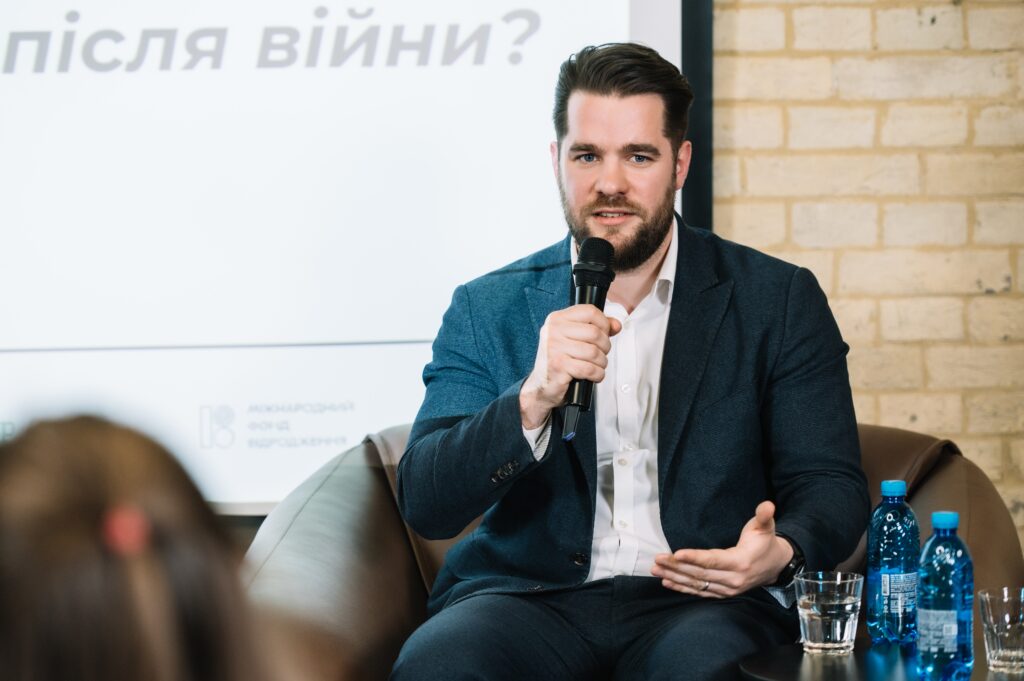
Andriy Gerus, MP and Chairperson of the Verkhovna Rada of Ukraine Committee on Energy, Housing and Utilities Services, noted that it is currently impossible to set tariffs for the post-war period, as this will depend on many factors — including the price of gas, the deficit within the energy system, and whether the Zaporizhzhia Nuclear Power Plant will be operating in Ukraine’s energy grid.
“No one today can provide a reliable forecast of energy prices and tariffs after the end of martial law. The relevant decisions will be made by a newly elected Parliament and Government, based on the economic realities of that time”, Andriy Gerus emphasized.
The video recording of the event is available at the link.
***
RRR4U (Resilience, Reconstruction and Relief for Ukraine) is a consortium of four Ukrainian civil society organizations: the Centre for Economic Strategy, the Institute for Economic Research and Policy Consulting, the Institute for Analytics and Advocacy, and DiXi Group.
RRR4U publishes monthly monitoring reports on Ukraine’s fulfillment of the conditions of key international financial programs with the IMF and the EU. You can find previous editions on the consortium’s website – https://rrr4u.org/.
The event was supported by the International Renaissance Foundation.