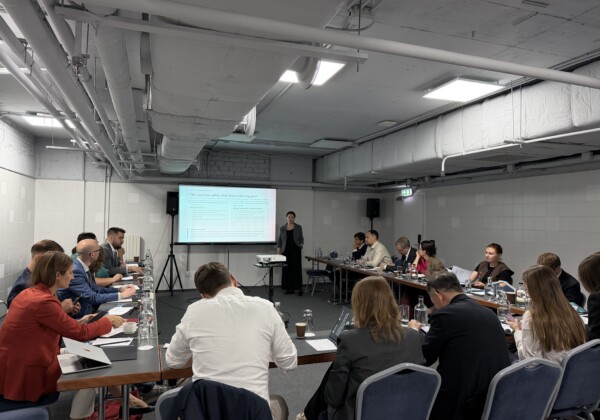
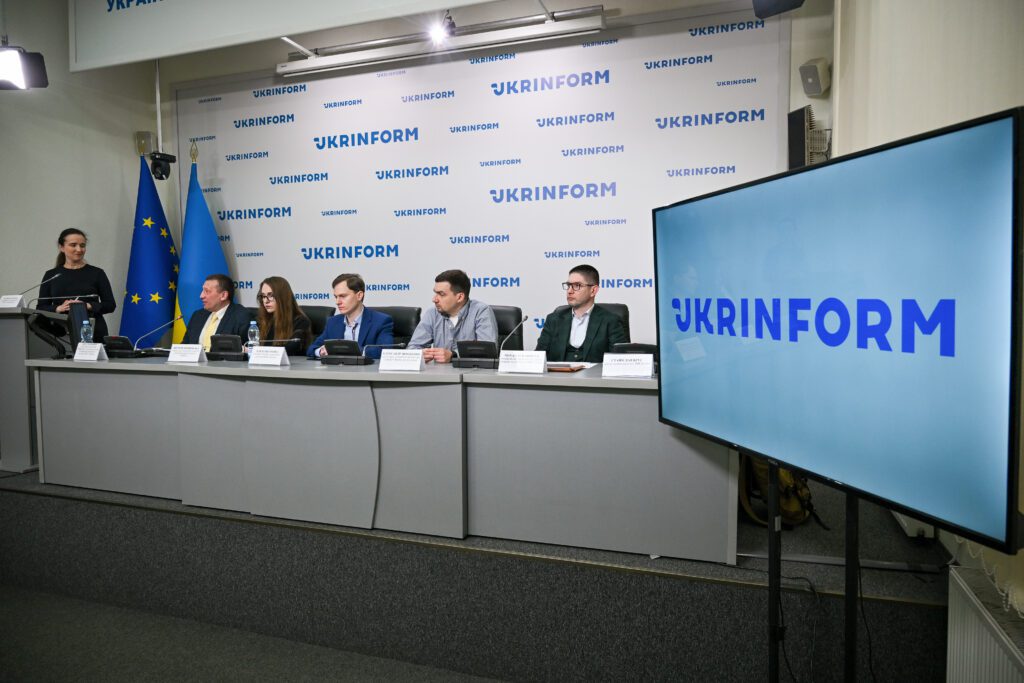
On May 1, during the roundtable “Closing Gaps in Sanctions: How to Weaken russia’s Defense Industry, Energy, and Shadow Fleet,” organized by the Independent Anti-Corruption Commission (NACO), Mykhailo Babiichuk, General Manager for Security and Resilience at DiXi Group, stated that international sanctions policy regarding the russian energy sector is already yielding positive results. However, to achieve a real strategic weakening of the russian federation, critical gaps must be eliminated, primarily in the field of nuclear energy.
According to him, restrictions in the oil sector specifically the embargo, price caps, and sanctions against logistics and insurance remain the most effective. At the same time, russia continues to adapt via its shadow fleet, “intermediary companies,” alternative export routes, circumvention mechanisms, and uneven enforcement of sanctions by individual states.
“Energy sanctions should work not just as a ‘beacon’ pointing the way; they must be accompanied by penalties for non-compliance. We see positive shifts in the oil sector—the embargo and other restrictions on maritime transport, insurance, and services are hitting russia’s budget hard, but the aggressor is adapting through the shadow fleet and shell companies. The 20th sanctions package finally addressed LNG, but we need to push these restrictions further to stop the financing of war through energy resources. New mechanisms are necessary for the total strategic weakening of russia,” emphasized Mykhailo Babiichuk.
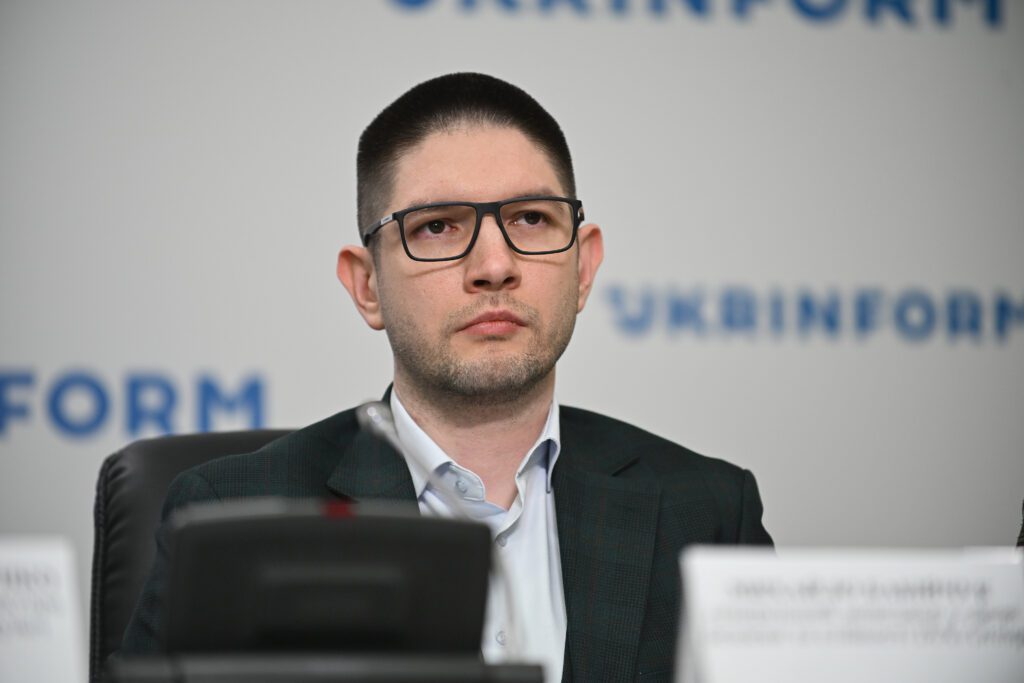
Special attention was paid to the Rosatom corporation, which remains one of the largest loopholes in sanctions policy. The DiXi Group expert stressed that this corporation is one of the most difficult targets for sanctions due to its deep integration into the energy systems of certain EU countries.
“Rosatom is not just about nuclear power plants. It is a structure that also has military-industrial, technological, digital, and political dimensions. Due to our partners’ dependence on its services and fuel, russia exerts direct geopolitical influence. We must demand transparent diversification plans from EU countries and introduce sanctions against Rosatom’s subsidiaries and affiliates right now,” the expert added.
He explained that further strengthening of sanctions policy should include: Transparent diversification plans and clear schedules for EU countries to phase out russian nuclear fuel; Sanctioning Rosatom’s subsidiaries; Eliminating russian influence from international specialized organizations, such as the IAEA and Stricter control over the enforcement of existing restrictions.
Furthermore, more active engagement with partners is required: urging France, Belgium, and Spain to accelerate diversification in the gas sector, and Hungary and Slovakia in the nuclear and oil sectors.
Overall, the roundtable participants welcomed the adoption of the 20th EU sanctions package as an important step in increasing international pressure on russia. However, they emphasized that only systemic, comprehensive, and consistent sanctions pressure on the oil, gas, and nuclear sectors can ensure the real strategic exhaustion of the aggressor’s resource base.
Watch the video recording at the link.
Participation in the event was made possible thanks to the support of the International Renaissance Foundation within the project “Strengthening the Resilience of Ukraine’s Energy Sector.”