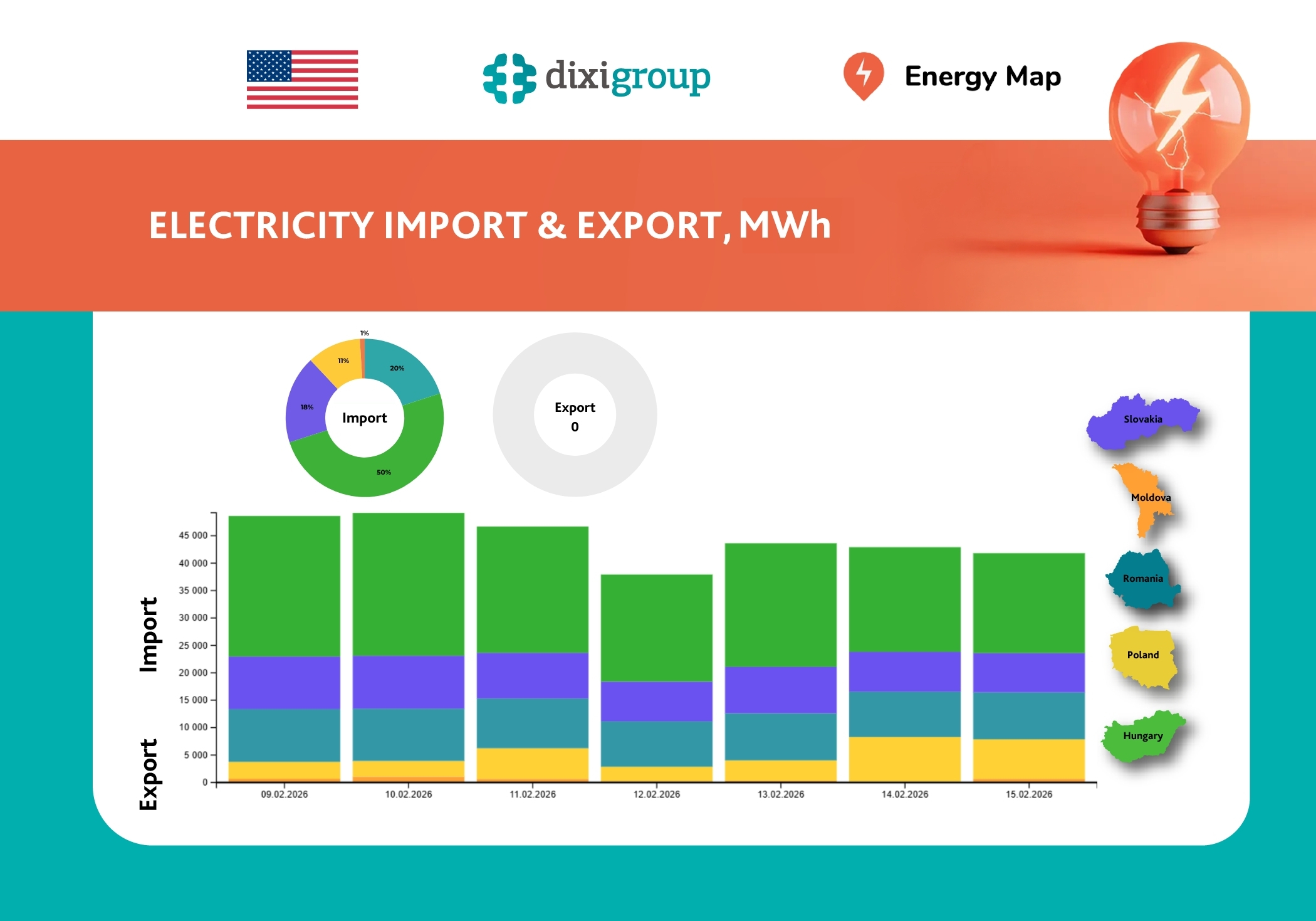
According to Energy Map, electricity imports to Ukraine decreased by 3% to 310.8 GWh in the period from February 9 to 15. This marks the first decline in weekly import volumes in the past five weeks. Electricity exports have remained at zero for three consecutive months. During the week, russia continued to carry out energy terror. In […]
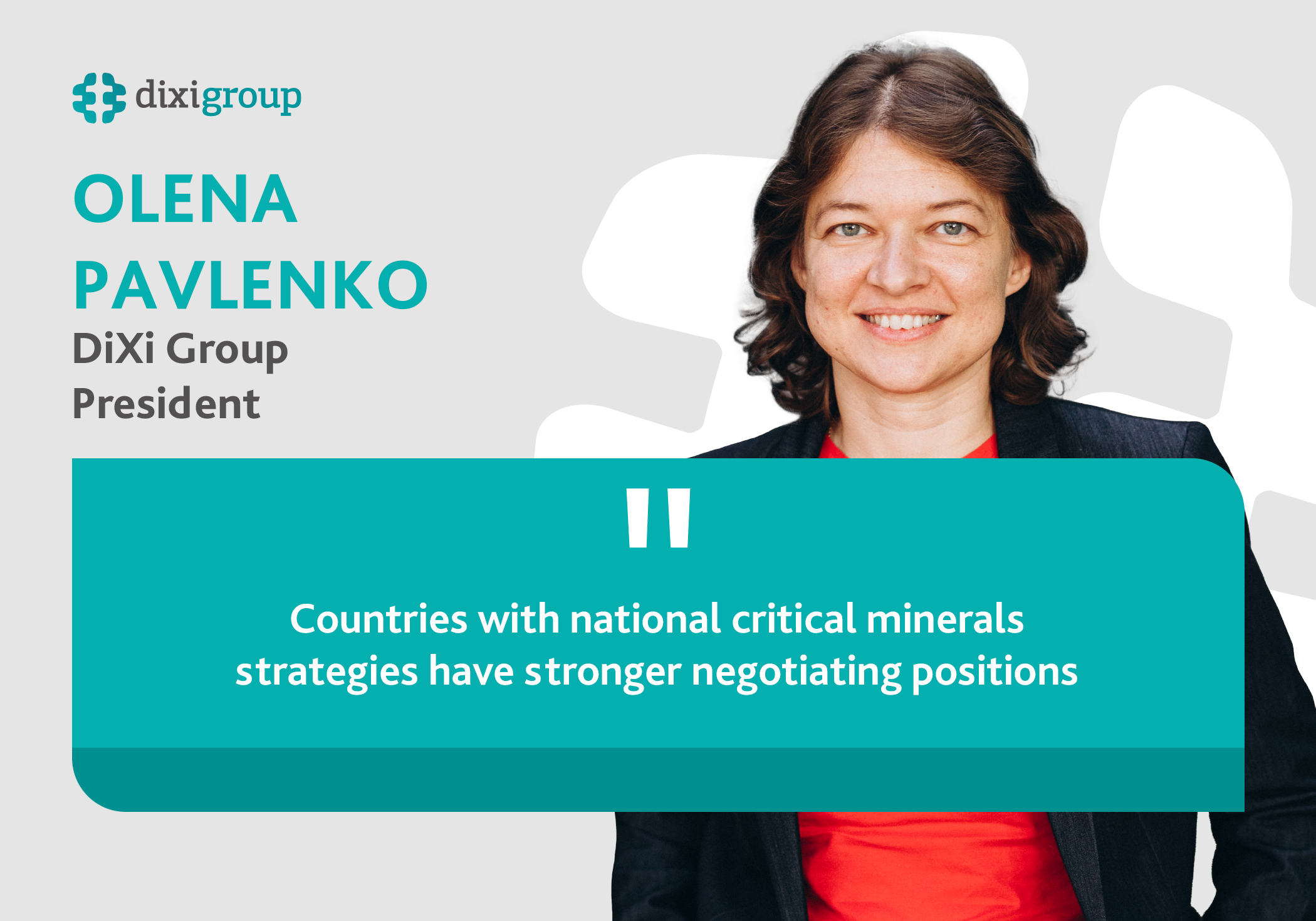
Global decarbonisation will drive increased demand for critical minerals, and resource-rich countries that develop their own value chains will gain a competitive advantage and stronger negotiating positions in the future. This was stated by Olena Pavlenko, President of DiXi Group, during the panel “Power dynamics between African states, corporations, and global actors” at the Alternative […]
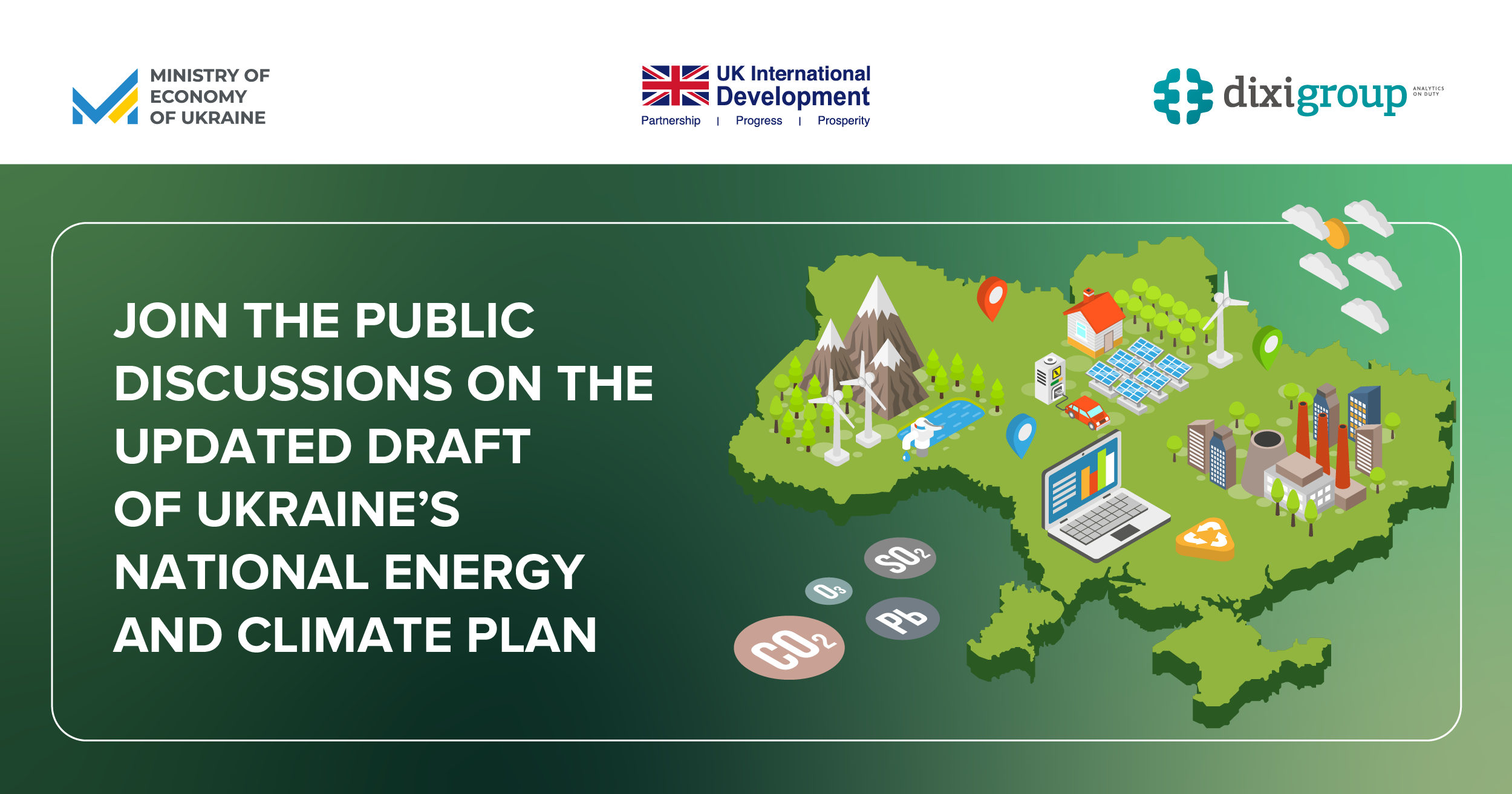
The DiXi Group think tank, together with the Ministry of Economy, Environment and Agriculture of Ukraine, announces public consultations on the proposed changes to Ukraine’s National Energy and Climate Plan (NECP). Following the adoption of the document in June 2024, Ukraine committed to updating the National Energy and Climate Plan in light of wartime realities, […]
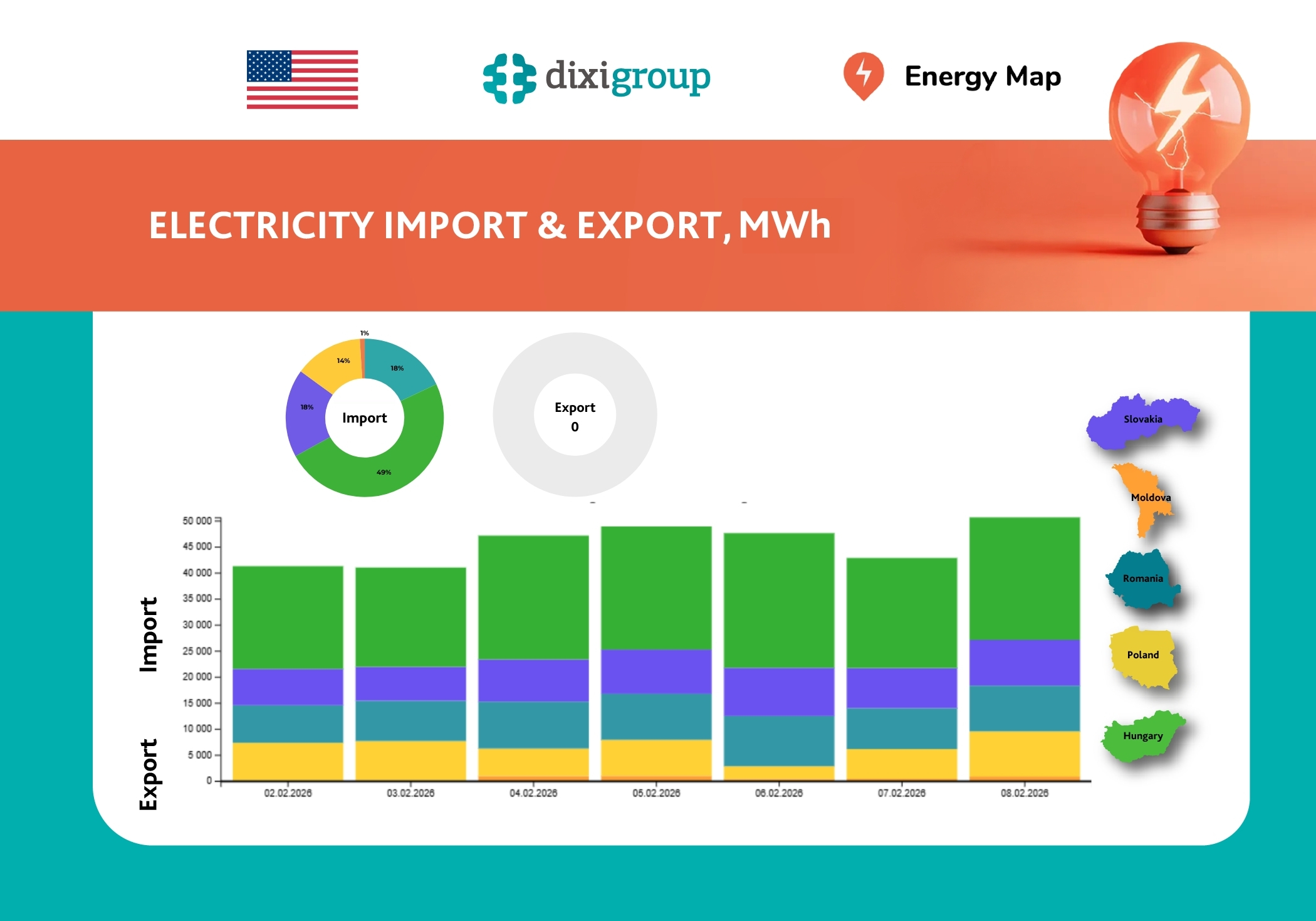
According to Energy Map, between February 2 and 8, 2026 electricity imports to Ukraine increased by 21% to 319.3 GWh, setting a weekly import record for the past seven years*. Electricity exports have remained at zero for three consecutive months. The increase in imports is caused by a reduction in available domestic generation following Russian attacks […]

Accelerating the delivery of international assistance, creating stockpiles of equipment, and deploying local generation solutions – these are the steps that can help not only Ukraine but also lay the groundwork for stronger energy security across the EU. This was stated by the President of DiXi Group during the Chatham House discussion “Russia’s Attacks on […]
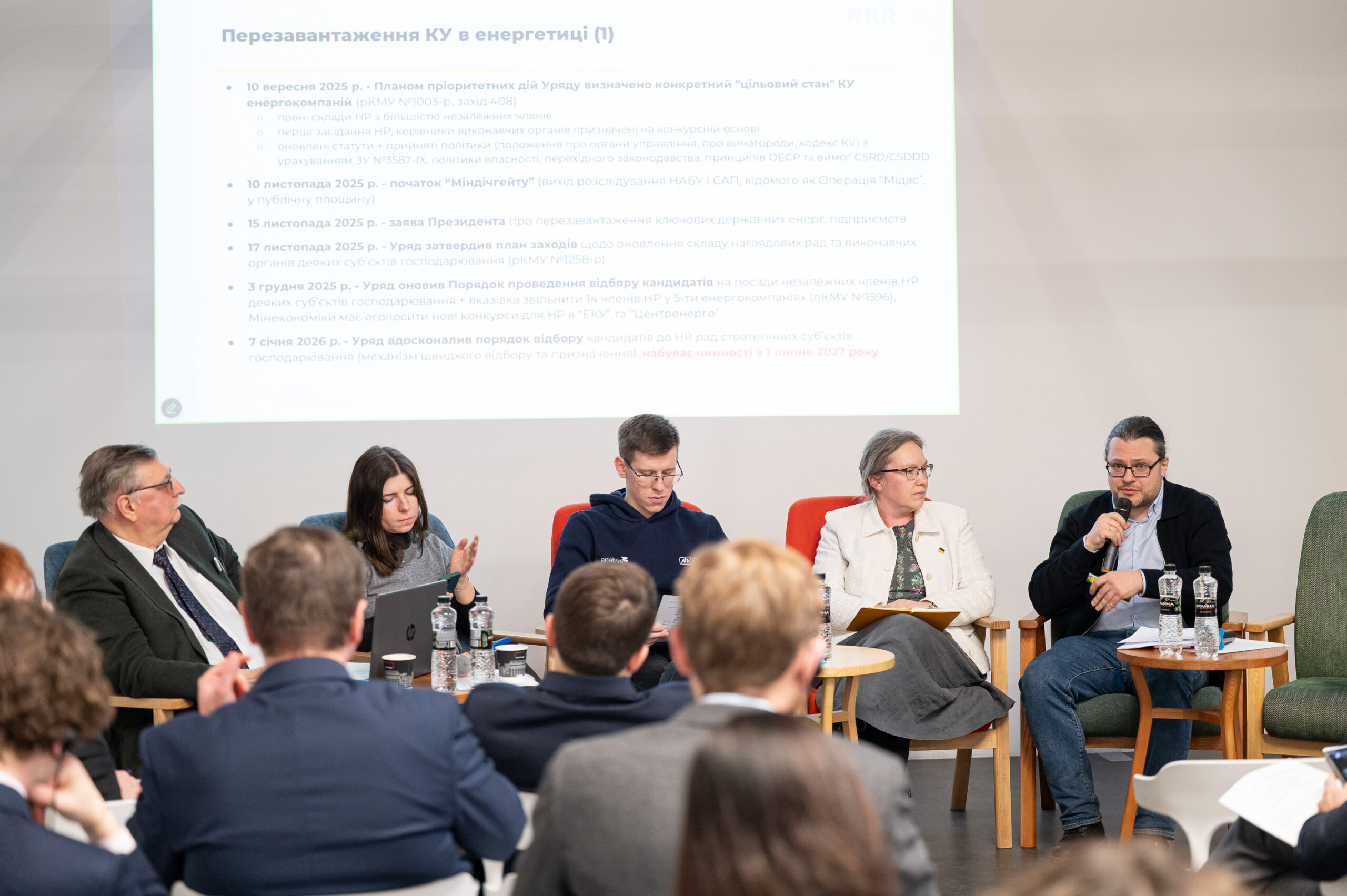
One of the areas of reform that is important in both numerous IMF programs and EU support programs is the introduction of effective corporate governance. Much has been done at the legislative level, but there is still a long way to go. Today, Ukraine is making another leap forward in appointing supervisory boards to increase […]
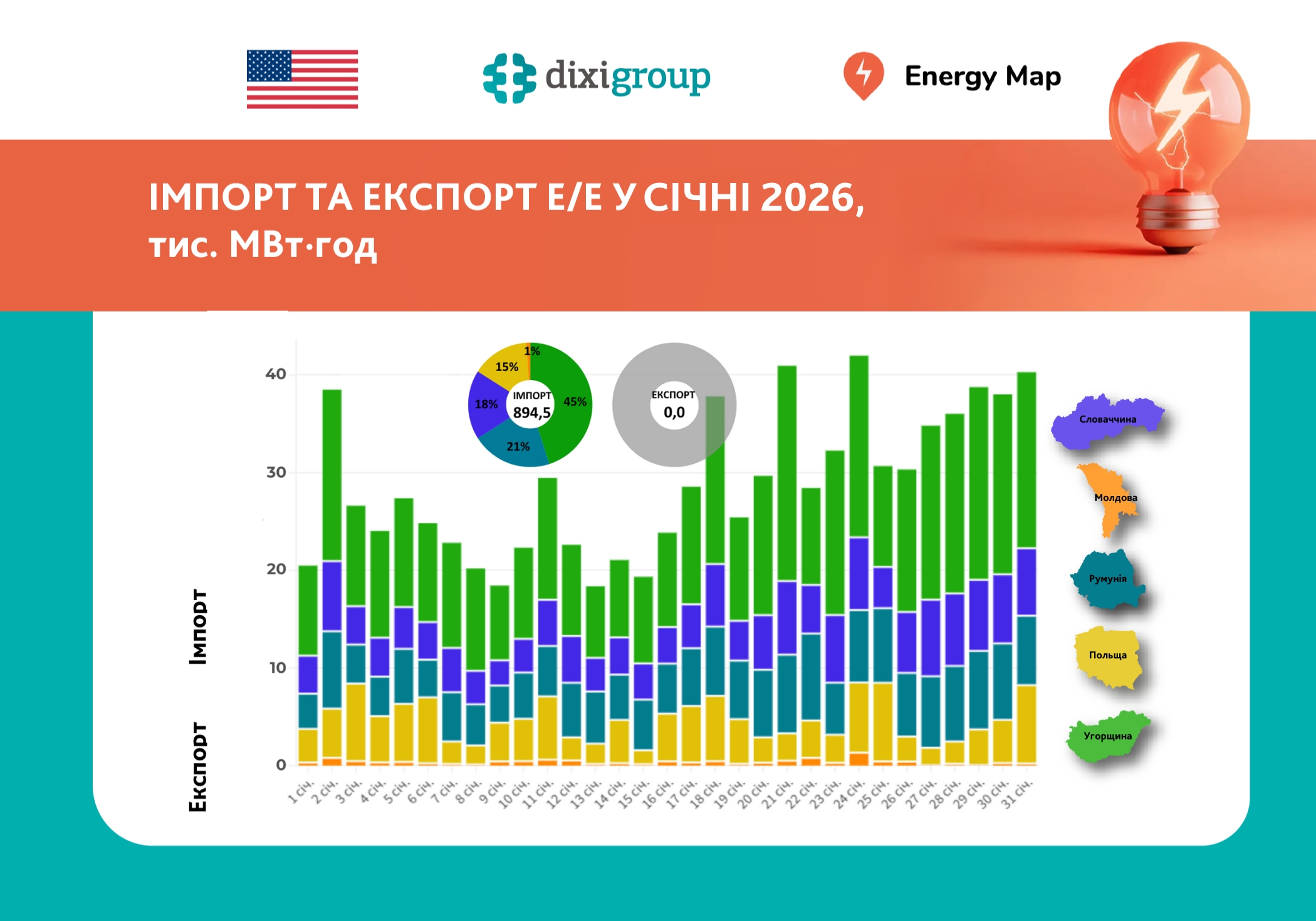
According to Energy Map data, electricity imports to Ukraine in January 2026 increased by 40% compared to December, reaching 894.5 GWh. This is the highest monthly figure since the launch of the new electricity market in July 2019 (historical daily data prior to that period are not publicly available). No electricity exports were carried out. For […]

Despite the approval of a new IMF program at the end of last year, Ukraine is showing significant negative dynamics in fulfilling its commitments, which affects access to financing in the amount of more than $115 billion. This was stated by experts from the RRR4U analytical consortium during the presentation of the 23-rd monitoring of […]
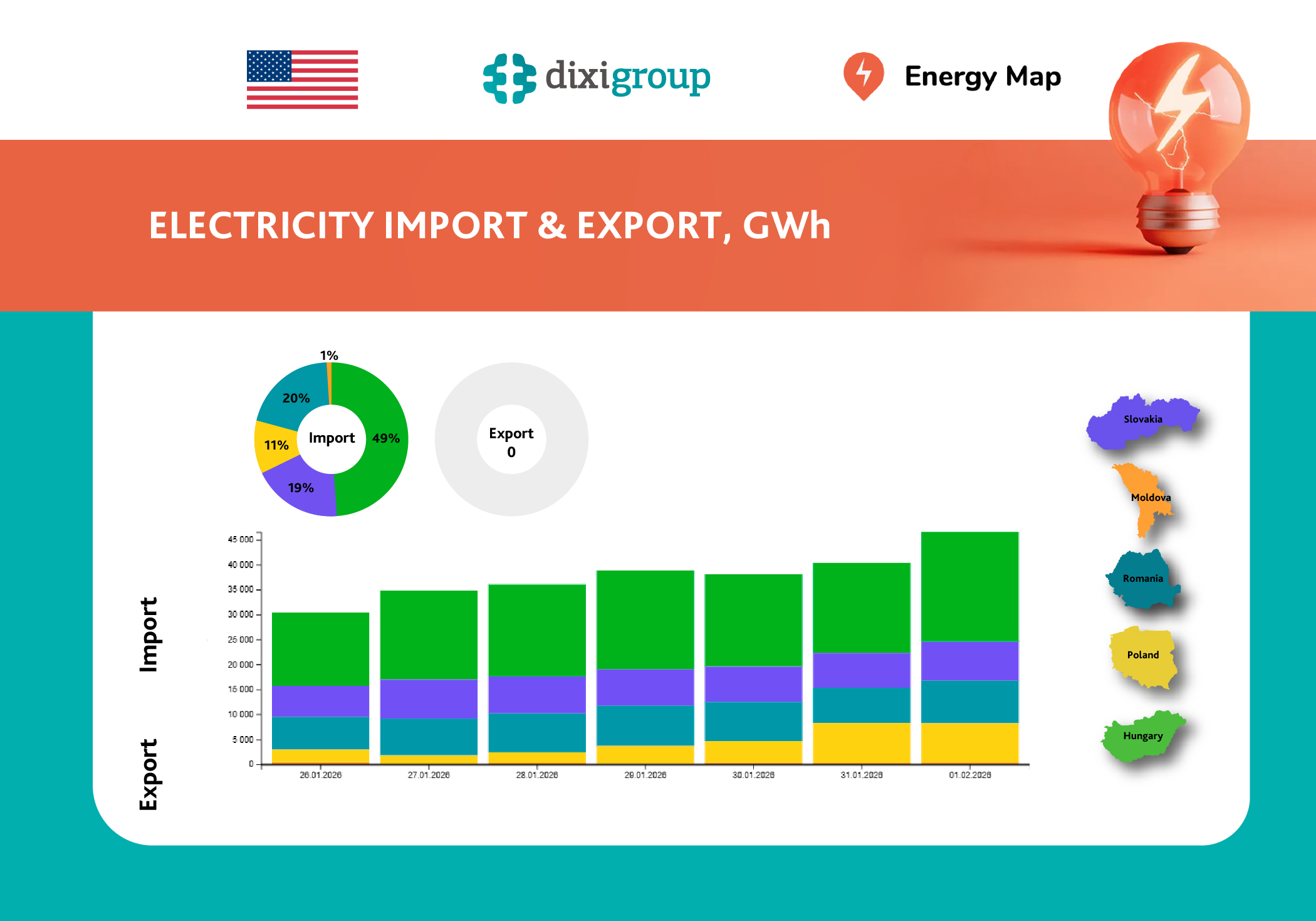
According to Energy Map, between January 26 and February 1, 2026 Ukraine imported 264.8 GWh of electricity, which is 15% more than in the previous week (229.4 GWh). This is the highest weekly import volume since the launch of the new electricity market in July 2019 (historical daily data prior to this period are not publicly […]
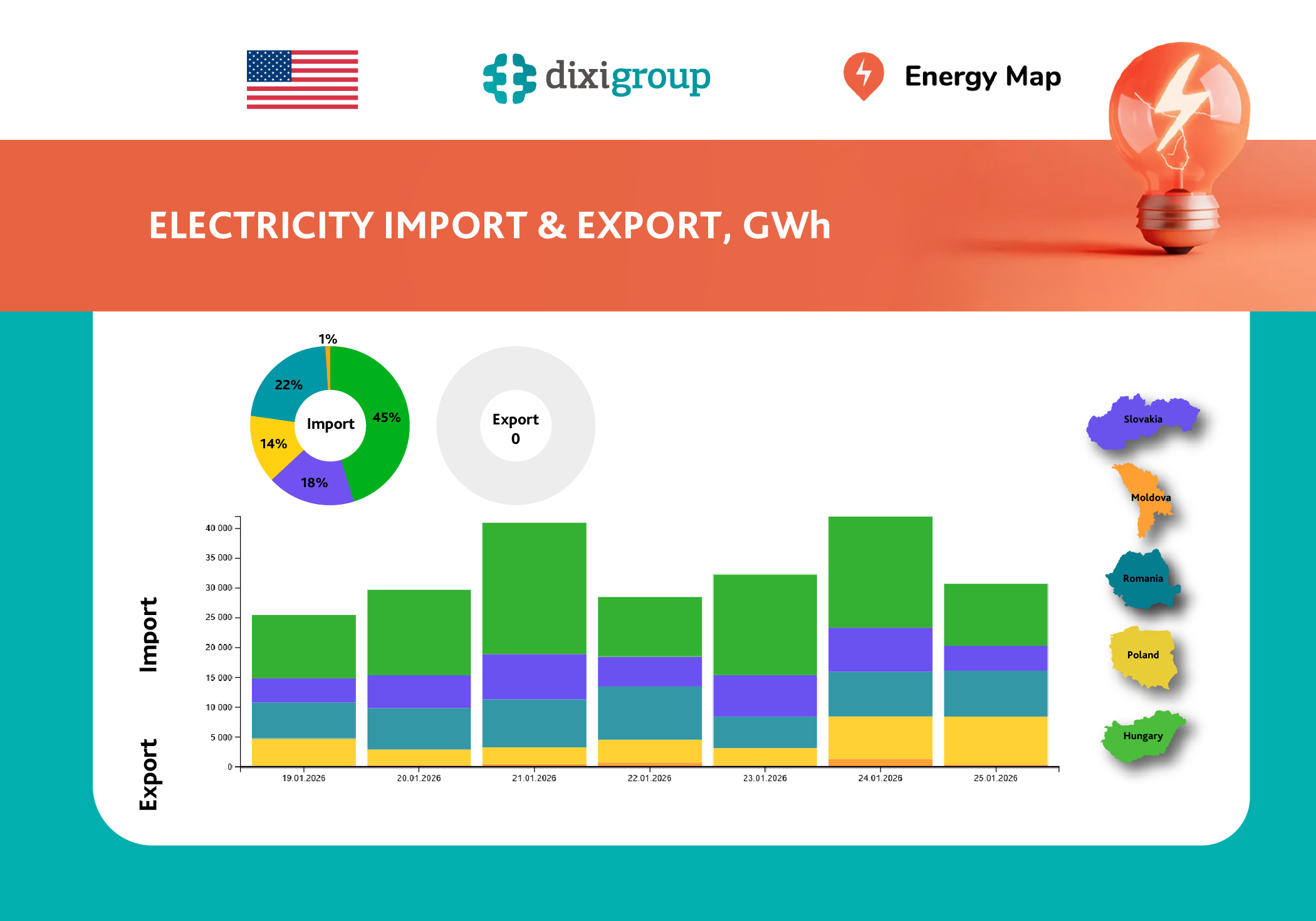
According to Energy Map, between January 19 and 25, 2026, electricity imports to Ukraine increased by 34% to 229.4 GWh. Exports have remained completely absent for almost two and a half months. This is the highest weekly figure since July 2024. At the same time, electricity exports have remained completely absent since November 11, 2025. After two […]
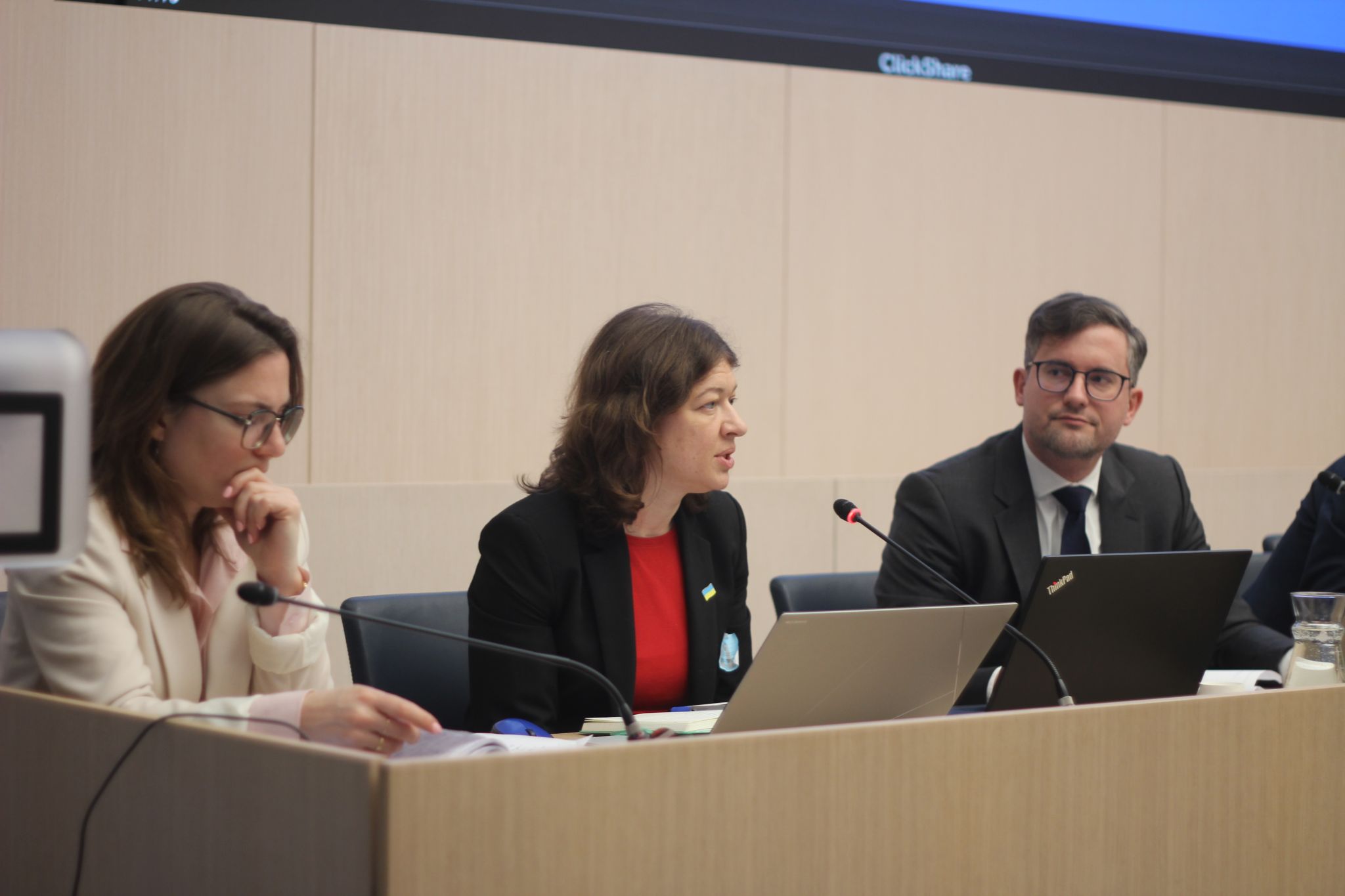
President of DiXi Group Olena Pavlenko, during the annual conference “Ukraine: Attrition, Resilience, Innovation, and Adaptation” by Eastern Circles in Paris, outlined the most important outcome of almost four years of Russian full-scale war and energy terror. “One of the pressing questions that Ukraine is forced to answer is how to protect energy facilities from […]
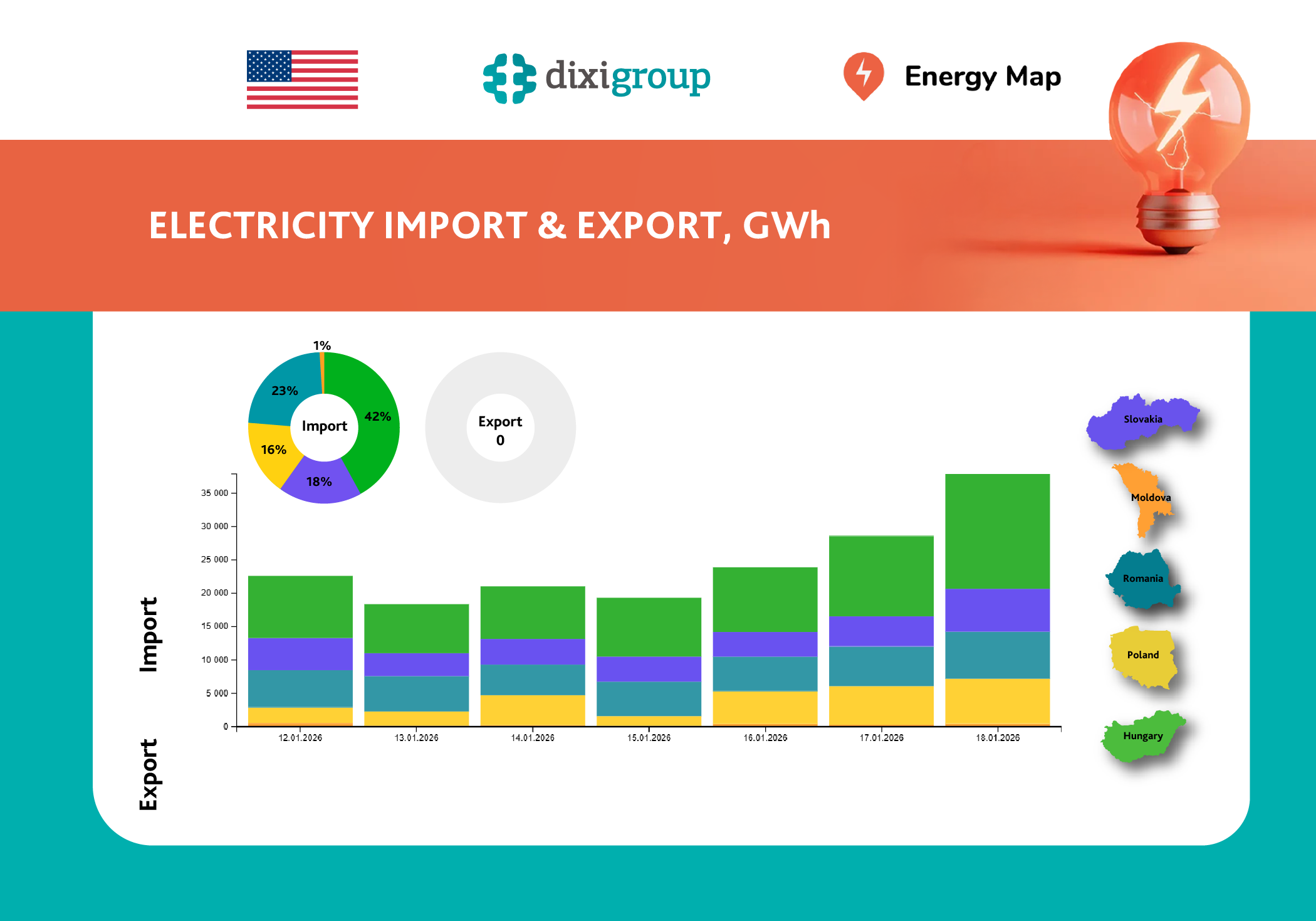
According to Energy Map, between January 12 and 18, 2026, electricity imports to Ukraine increased by 4% to 171.6 GWh. Exports have remained completely absent for almost two and a half months. Throughout the week, Ukraine experienced severe frosts, which led to increased electricity consumption. At the same time, system balancing was complicated by the consequences […]