On March 11, DiXi Group held an online discussion Energy Security Talks “Lessons of Energy Resilience: Ukraine’s Experience for the World”, during which it presented the analytical report “Holding the Grid: Ukraine’s Energy Resilience Playbook.” Participants discussed what lessons the international community can draw from four years of systematic Russian attacks on Ukraine’s energy infrastructure.
Opening the event, Olena Pavlenko, President of DiXi Group, emphasized that the full-scale war has created an unprecedented challenge for Ukraine’s energy system, but at the same time has generated experience that is important for global energy security.

“Over four years of the full-scale war, the nature of Russian attacks has constantly evolved. At the same time, Ukraine’s energy system has been changing, as has the response of society, businesses, and energy companies. Despite the fatigue caused by the war, we have accumulated unique experience in building energy resilience at different levels. It is important to analyze this experience and share it with international partners, as the world today is becoming increasingly less secure,” said Olena Pavlenko.
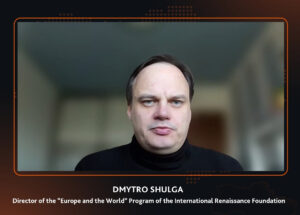
Dmytro Shulha, Director of the Europe and the World Programme at the International Renaissance Foundation, also delivered welcoming remarks to the participants. He emphasized the importance of studying Ukraine’s experience, noting that Russia’s systematic attacks on civilian energy infrastructure set a dangerous precedent and highlight the need to strengthen the resilience of energy systems worldwide.
During the main part of the event, Olena Lapenko, General Manager for Security and Resilience at DiXi Group, presented the key findings of the study. According to her, Ukraine’s experience differs significantly from other crises faced by energy systems around the world, as in Ukraine it is not about recovery after a single disaster, but about a system that is being destroyed and rebuilt simultaneously under constant attacks.
The DiXi Group report outlines 11 key principles of energy resilience, developed on the basis of Ukraine’s practical wartime experience. Among the main findings are:
development of distributed generation, which reduces the vulnerability of the energy system to attacks on large centralized facilities;
increasing the capacity of flexible generation capable of quickly responding to system fluctuations and maintaining grid stability;
strengthening the resilience of electricity networks, including their ability to reroute power flows and recover quickly after damage;
standardization of equipment and spare parts, which significantly reduces the time required to restore damaged infrastructure;
strengthening the physical protection of energy facilities and integrating security considerations into energy system planning;
diversification of supply chains for equipment and fuels to reduce dependence on individual suppliers in crisis conditions;
effective crisis communication with the public, which helps stabilize the system during periods of electricity shortages;
adaptation of businesses and consumers, who are increasingly managing their own energy consumption and investing in local generation and backup power sources.
The study also places particular emphasis on the standardization of equipment for rapid infrastructure recovery, the development of protection systems for energy facilities, diversification of equipment and fuel supply chains, as well as the importance of effective crisis communication with the public to stabilize the system during periods of electricity shortages.
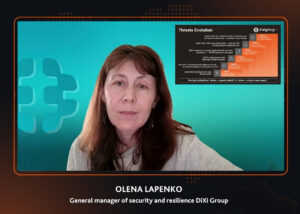
According to Olena Lapenko, an important element of energy resilience has also been the adaptation of businesses and consumers, who have increasingly begun to manage their energy consumption more actively and invest in local generation and backup power systems.
The analytical report is available at the following link.
Commenting on the global context of energy security, Talya Vatman, Manager of the Caspian and Black Sea Programme at the International Energy Agency, emphasized that energy system resilience has once again moved to the center of the international agenda. Recent years have shown that even advanced economies remain vulnerable to attacks on energy infrastructure.
“Energy resilience has become something of a buzzword, but when it is tested in practice, even advanced economies face serious difficulties. Over the past four years, Ukraine has not only endured an energy crisis — it has created a unique body of practical experience that is highly relevant for shaping global approaches to energy security,” said Talya Vatman.
According to the expert, the International Energy Agency defines energy resilience as the ability of energy systems to prepare for crises, withstand shocks without losing functionality, and quickly restore services after disruptions. At the same time, she stressed that resilience is not only about technical standards or infrastructure solutions, but above all about a culture of preparedness for crises that must be built at all levels — from system operators and governments to businesses and households.
Talya Vatman added that Ukraine’s experience shows that energy resilience must be embedded in the planning of energy systems already at the design stage, rather than being developed during a crisis.
Jacques Warichet, Analyst at the Electricity Systems and Markets Division of the International Energy Agency, highlighted several key lessons that the international community can draw from Ukraine’s experience. In particular, he stressed that decentralization of generation is a crucial element of energy system security, as large centralized facilities are much easier to target, while distributed energy sources are harder to attack and faster to restore.
Former European Commissioner for Energy and Senior Fellow at the Florence School of Regulation, Andris Piebalgs, emphasized that Ukraine’s experience should be integrated into European Union policy as quickly as possible. In his view, Ukraine’s energy system has become the most extreme real-world test of energy infrastructure resilience in modern history.
He stressed that these lessons should be reflected not only in individual projects or decisions but also in the strategic planning of Europe’s energy systems, including regulation of grid development, protection of critical infrastructure, and ensuring the availability of equipment for rapid recovery of damaged facilities.
“Ukraine’s experience should push the European Union toward a new paradigm of energy policy. It can no longer be only about markets, decarbonization and prices — it must also be about resilience, security and preparedness. The sooner these lessons are reflected in EU energy legislation, the more resilient Europe’s energy system will become,” said Andris Piebalgs.
He also emphasized the importance of developing a new culture of energy security planning in Europe, where resilience of infrastructure and preparedness for crisis scenarios are integrated into all key energy policies.
The practical perspective from the energy sector was presented by Dmytro Sakharuk, CEO of D.Trading, who outlined the key challenges currently facing Ukraine’s energy sector. According to him, a significant share of Ukraine’s generation capacity has been lost or is inaccessible: around 44% of installed generation capacity remains in temporarily occupied territories, while a large number of thermal and cogeneration plants have been damaged or taken offline due to Russian attacks. This creates constant pressure on the power system and leads to electricity shortages in certain periods.
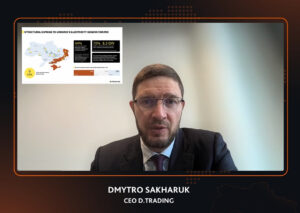
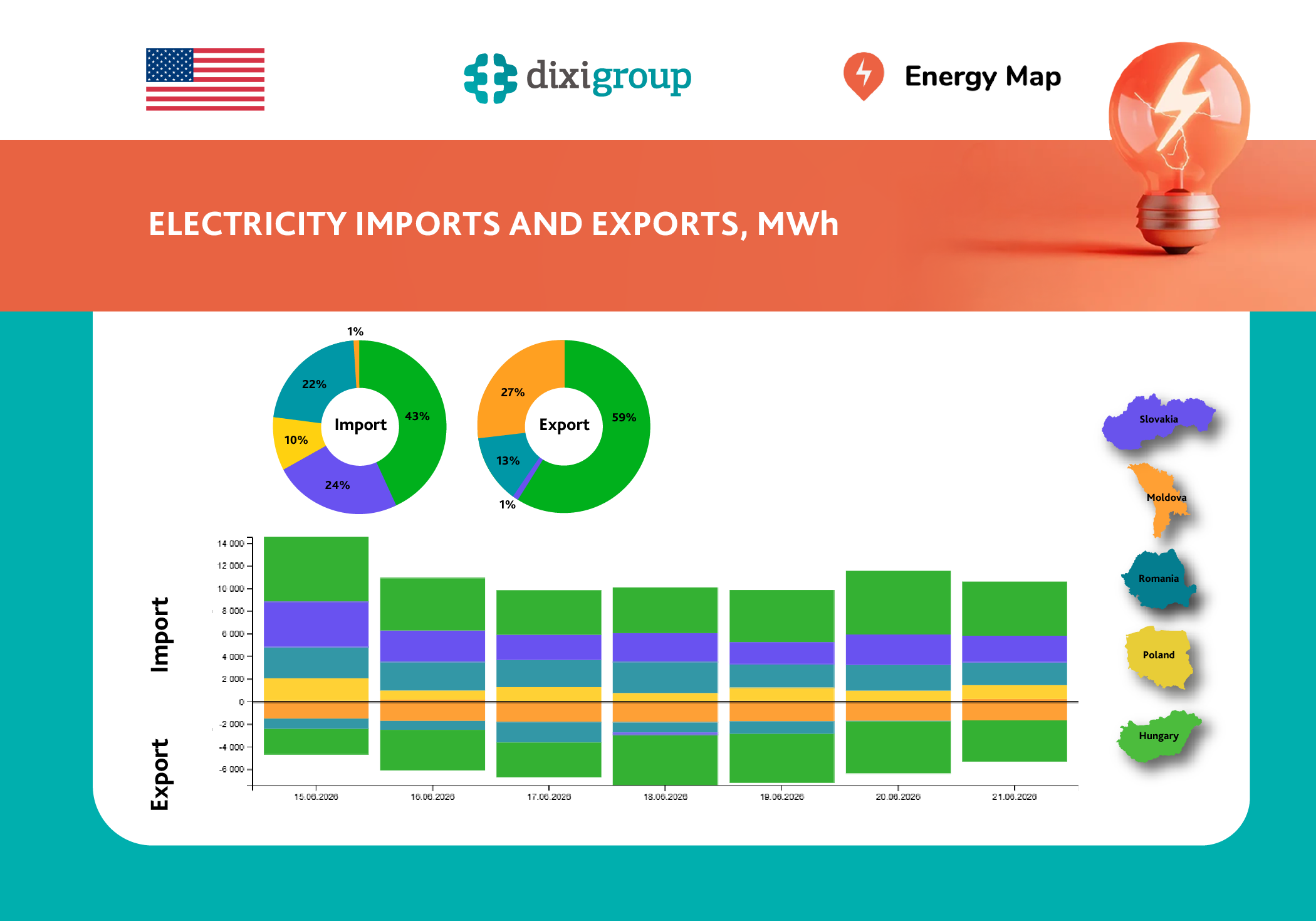
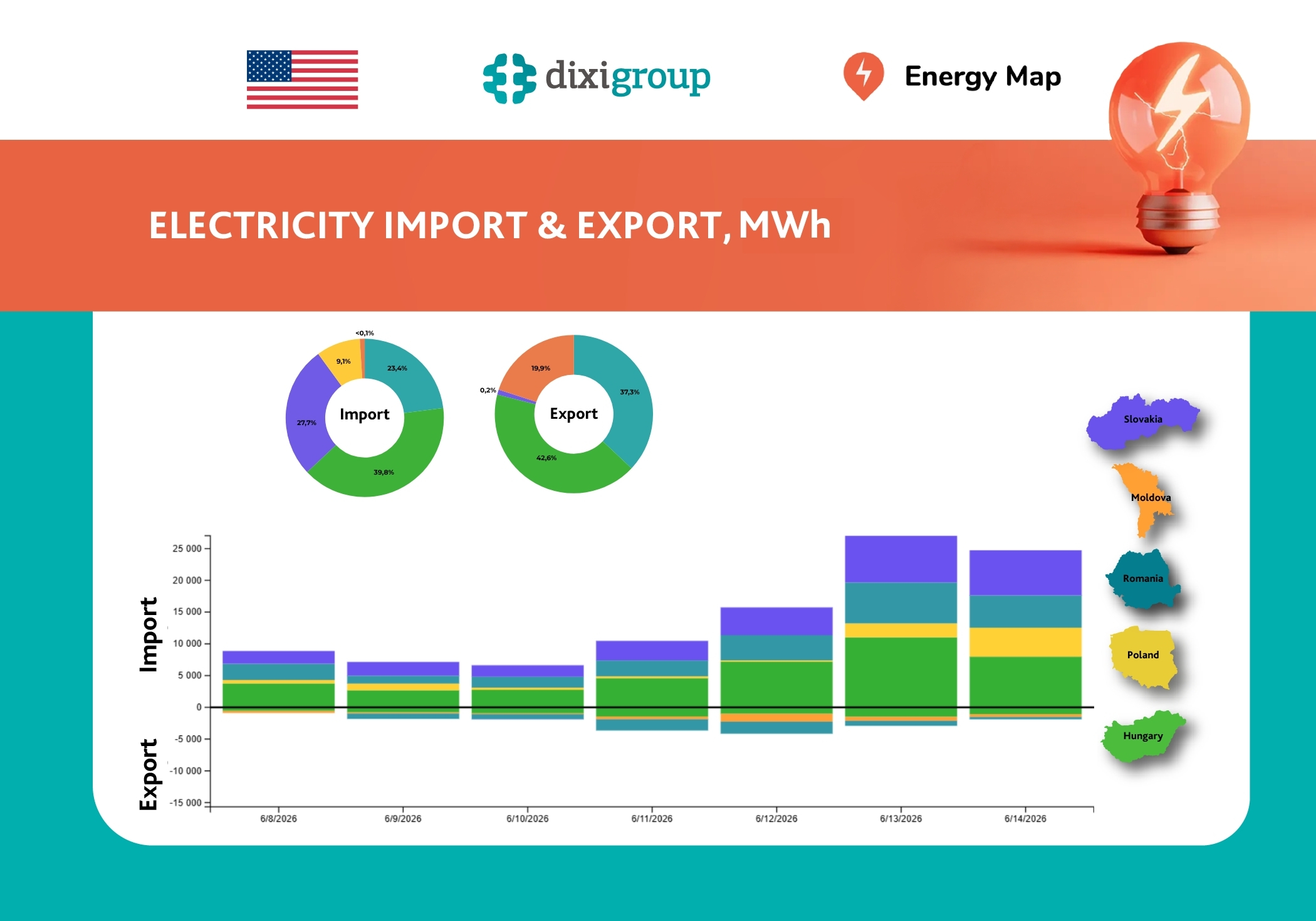
At the same time, Dmytro Sakharuk emphasized that the possibility of importing electricity from Europe has become an important tool for stabilizing the system during periods of severe infrastructure damage and generation deficits. Despite the war, Ukraine has managed to preserve the functioning of the electricity market, creating conditions for investments in new generation capacity, particularly in renewable energy and energy storage systems. Among the key challenges, he also highlighted the accumulation of significant debt in the balancing market and the presence of price caps that limit market liquidity and investment activity.
Despite the huge destructions, the war also creates an opportunity to build a new, more modern and flexible energy system for Ukraine, combining the development of renewable generation, energy storage systems and new flexible capacities, concluded the CEO of D.Trading.
Energy Security Talks is a series of expert discussions organized by DiXi Group, dedicated to key challenges of energy security in Ukraine and Europe and to identifying practical solutions for strengthening the resilience of energy systems.
The event was organized by DiXi Group with the support of the International Renaissance Foundation within the project “Strengthening the Resilience of Ukraine’s Energy Sector.”