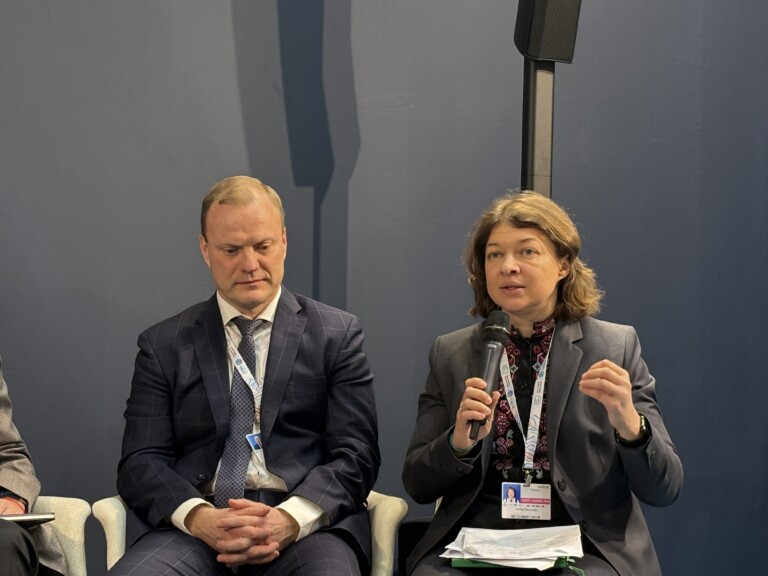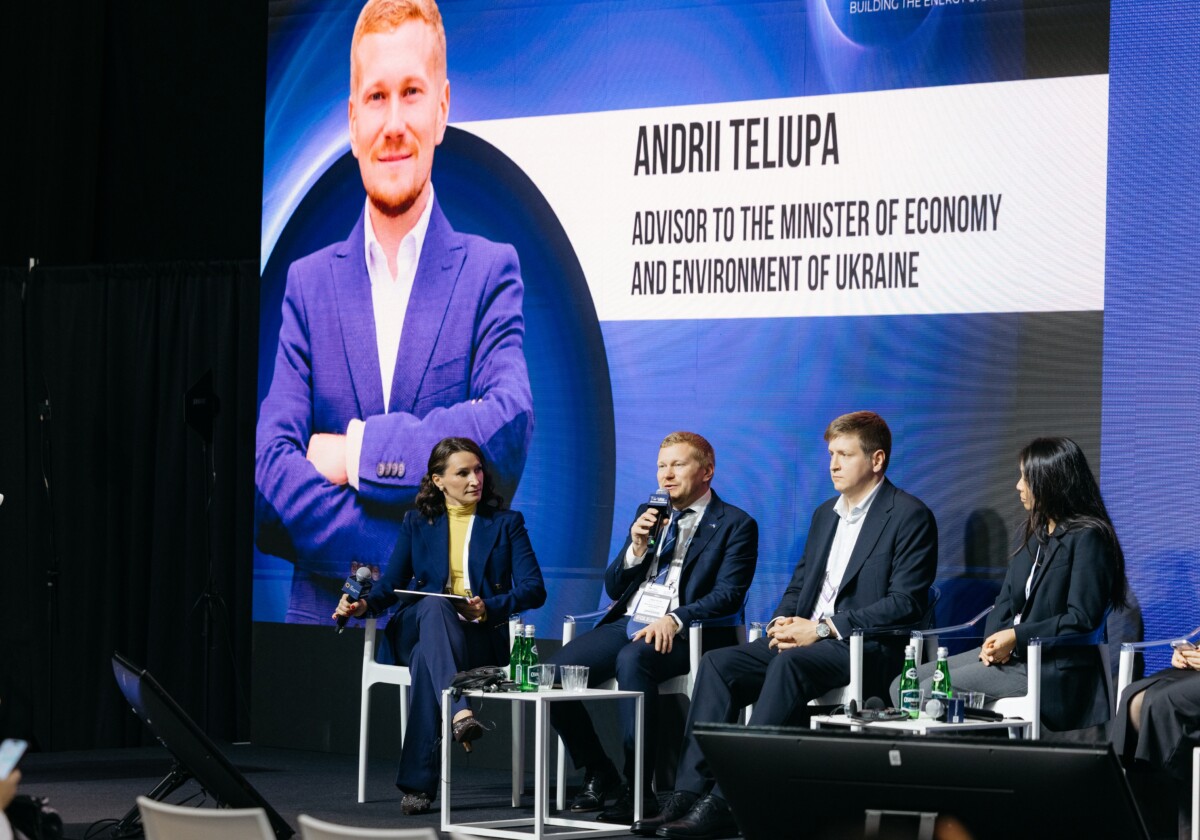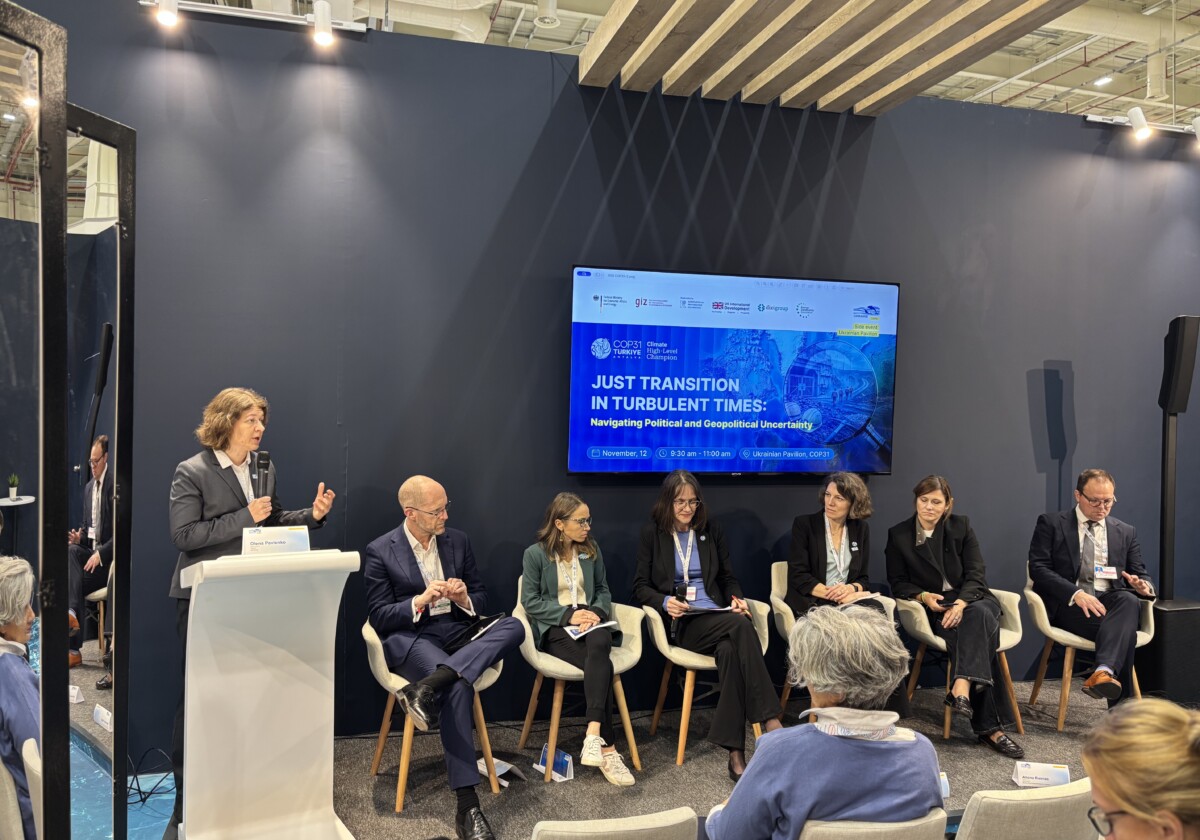
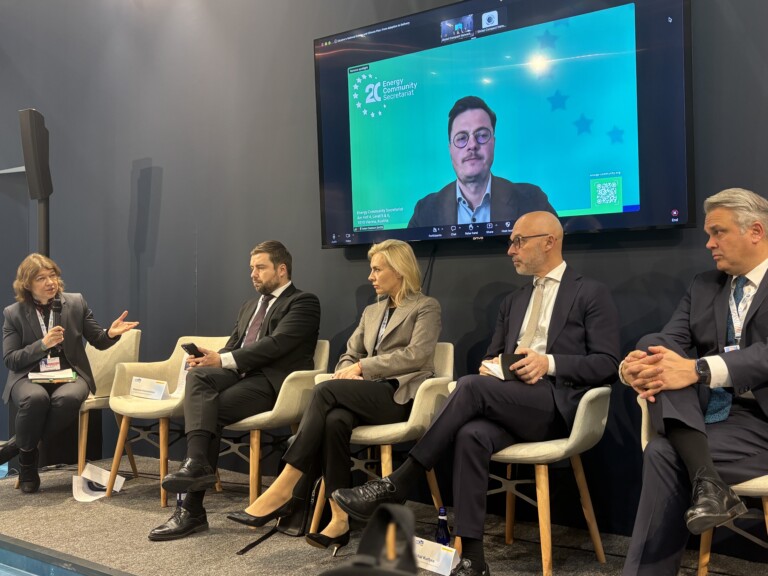
As part of the 31st Conference of the Parties to the United Nations Framework Convention on Climate Change (COP31), which is being held this year in Antalya, the DiXi Group team hosted a panel discussion titled “Ukraine’s National Energy and Climate Plan: From Adoption to Delivery”. The event was attended by representatives of relevant ministries, the European Commission, international financial institutions, and other stakeholders.
“Without proper implementation, the NECP won’t have a significant impact. For the Ukrainian economy to become green, decarbonized, and fast-growing, we must focus not only on preparing the relevant documents and strategies but also on their consistent implementation”, – explaining the significance of the discussion, noted Olena Pavlenko, president of DiXi Group and moderator.
The NECP’s implementation continues despite the war, Deputy Minister of Energy Anatolii Kutsevol emphasized. He added that the document serves as a tool for both European integration and the accelerated restoration of lost energy infrastructure. As of 2026, 11 to 12 GW of generation capacity remains, which is one-fifth of the volume that existed prior to the start of Russia’s military aggression in 2014. Since then, the energy mix has shifted in favor of renewable energy sources; their share is now second only to nuclear generation.
“Over four years, more than 3 GW of new wind and solar generation have been installed. This demonstrates that Ukraine is striving to restore its generation capacity by the fast track of deploying renewables. Overall, we see significant progress in achieving the relevant goals of the NECP”, – Deputy Minister of Energy stated.
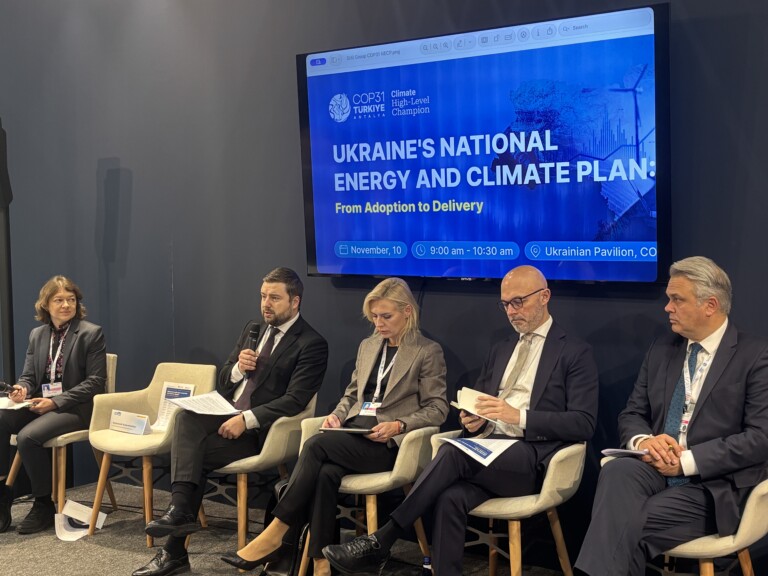
Adam Cwetsch, Head of Decarbonisation and Governance Unit at the Energy Community Secretariat, underlined the effectiveness of the High-Level Advisory Group (HLAG) – a unique format through which the Energy Community, international donors, and Ukraine have established cooperation regarding the NECP. This helps gradually align Ukrainian policies and practices with the EU energy and climate framework.
“Adherence to European approaches and methodologies is crucial. Ukraine is already taking positive steps in the area of governance. However, there are also gaps, such as the issue of carbon pricing. Addressing these gaps is extremely important on the path to EU membership, which is the main goal of both the National Energy and Climate Plan (NECP) and the concrete results of the reforms it envisages”, – asserts Adam Tsvetch.
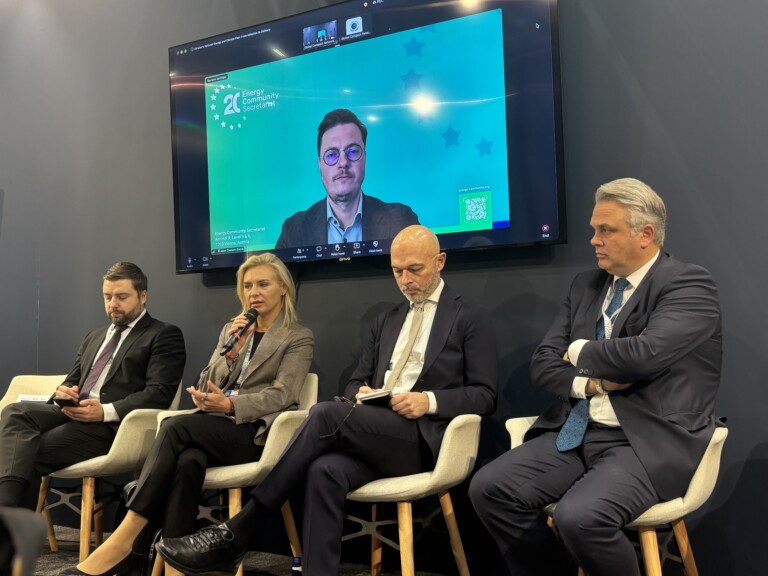
Anna Zamazeeva, Head of the State Agency on Energy Efficiency and Energy Saving of Ukraine, explained the financial and regulatory instruments the Agency employs to implement the NECP and achieve its goals; she also outlined the Agency’s priorities, specifically the programs of the Decarbonization Fund. The figures she presented illustrated the growing reach of energy-efficiency measures. For instance, 67% of public buildings have implemented energy management, while 83% have introduced energy monitoring, 500 buildings received energy certificates in 2026, with 1,000 more planned for 2027.
Michał Kurtyka, President of COP24 and Co-Head of the HLAG on the NECP Development in Ukraine, noted the dual role played by Ukraine. By implementing the NECP–an element of European integration–Ukraine can simultaneously contribute ideas regarding resilience and stockpiling of energy reserves that are essential to the EU.
Tony Agotha, the EU Special Envoy for Climate and Environment, highlighted the value of the Ukrainian experience, particularly regarding security and innovation. Such achievements can foster synergy between defense, economic, and climate-related needs.
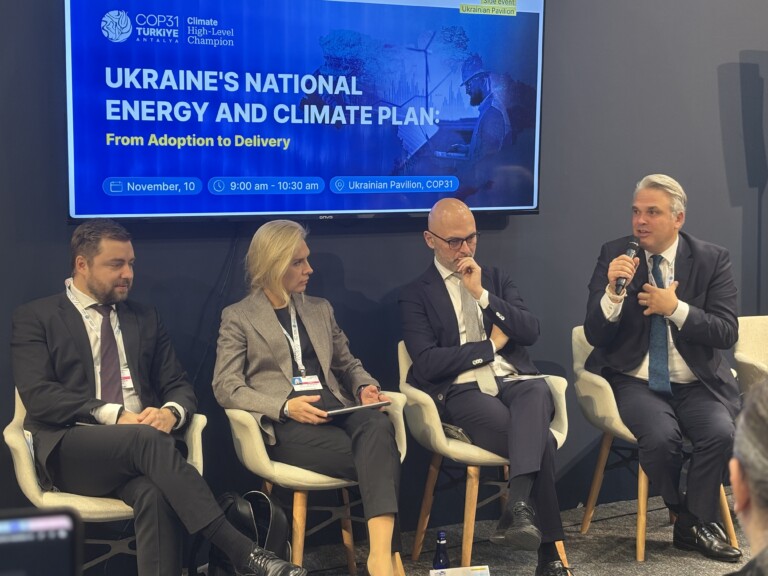
You can hear more interesting insights by watching the video of the discussion: https://bit.ly/48K0OBS.
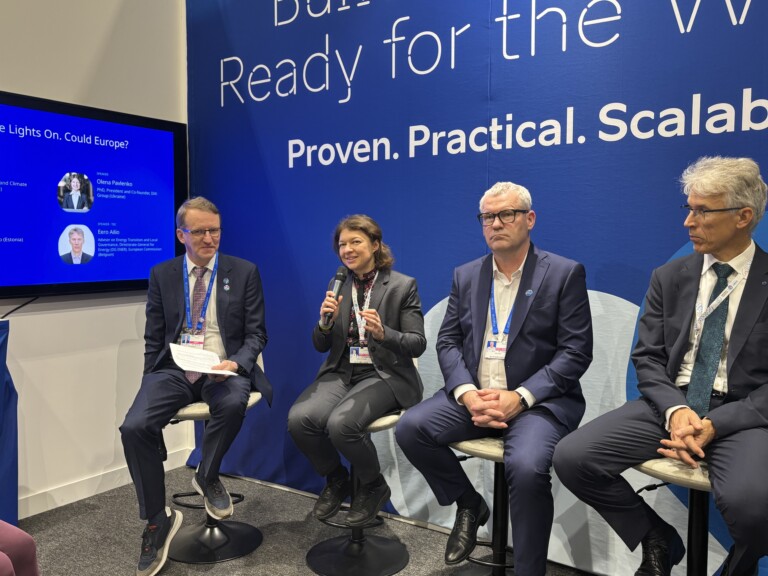
In addition, the president of DiXi Group participated in three panel discussions as part of COP31: “Ukraine’s Resilient Energy Transition: Rebuilding a Decarbonized, Secure and European Energy Future”, organized by the EU; “Ukraine’s Green Energy Transition: From Conventional to Renewable Energy”, organized by UNDP; and “Ukraine keeps the lights on. Could Europe?”, organized by the Estonian government.