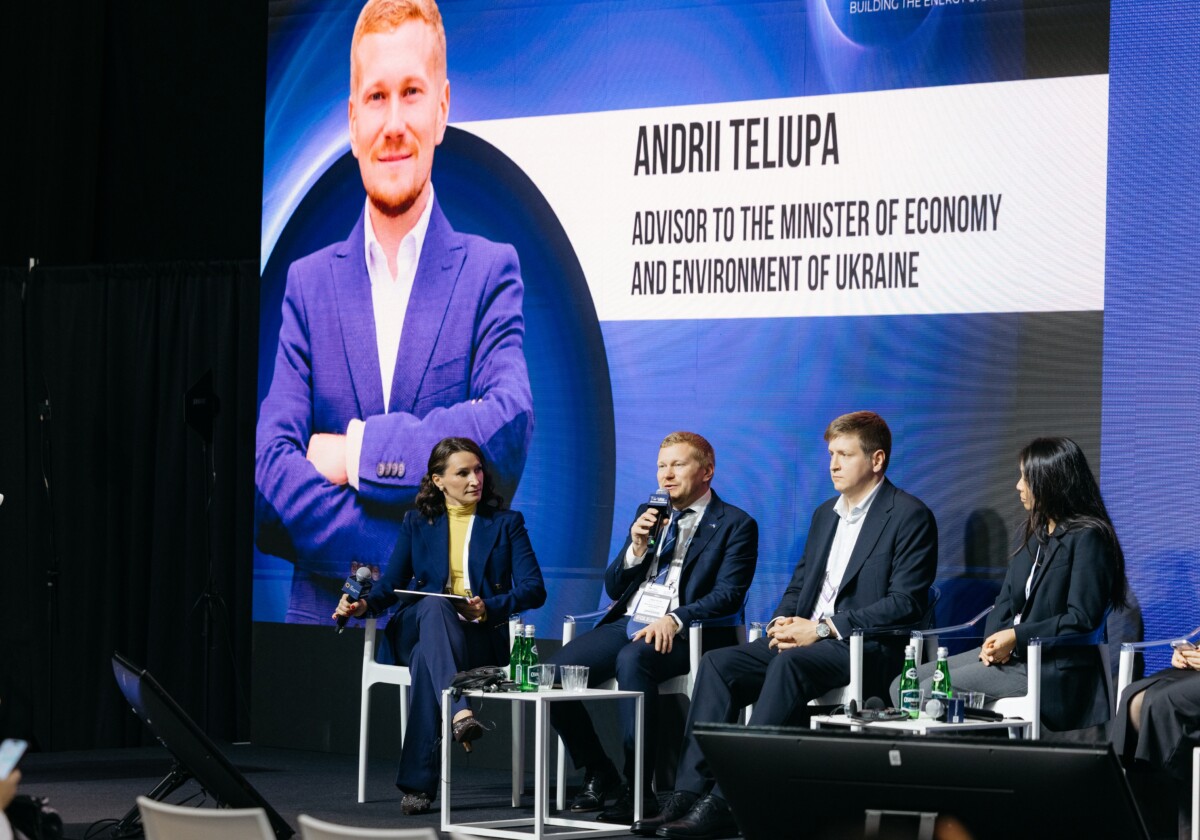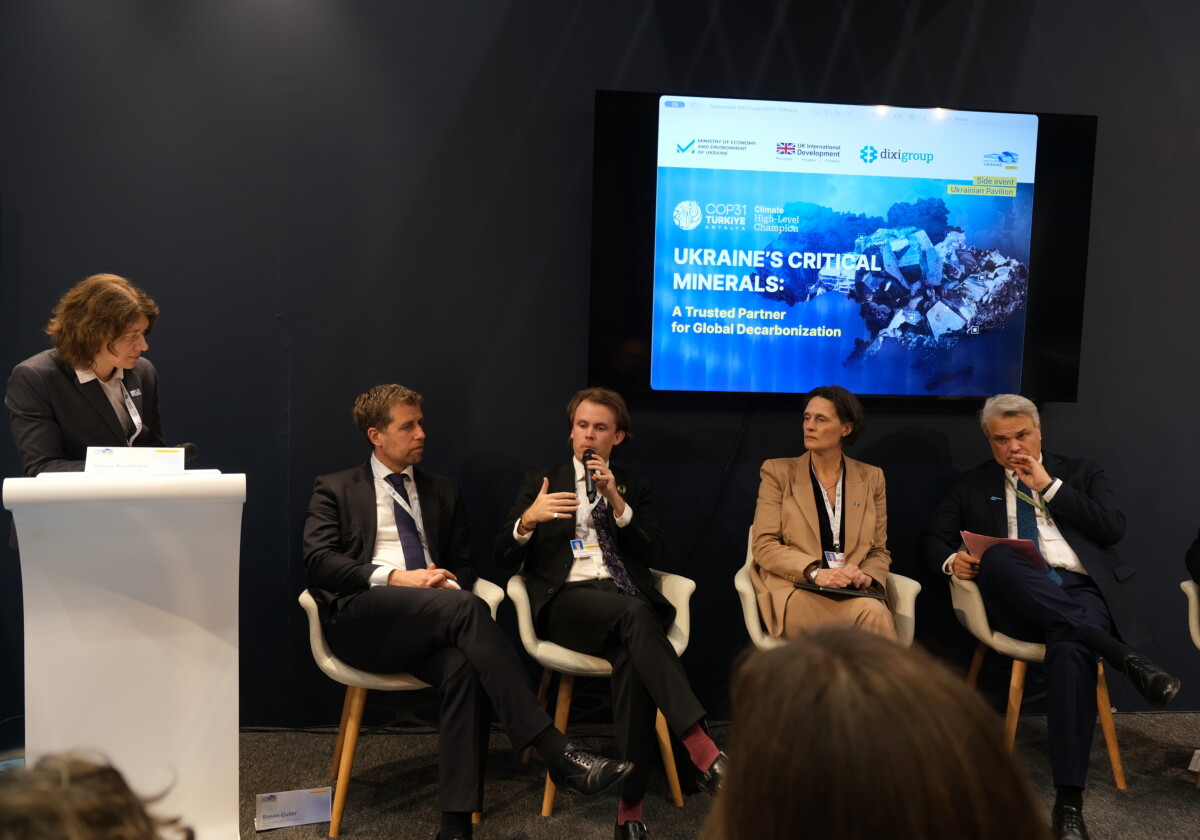
Antalya, 12 November 2026 – DiXi Group convened the discussion “Just Transition in Turbulent Times: Navigating Political and Geopolitical Uncertainty” at the Ukrainian Pavilion during COP31. Bringing together representatives of the Ukrainian and Moldovan governments, international financial institutions, civil society, business and international partners.
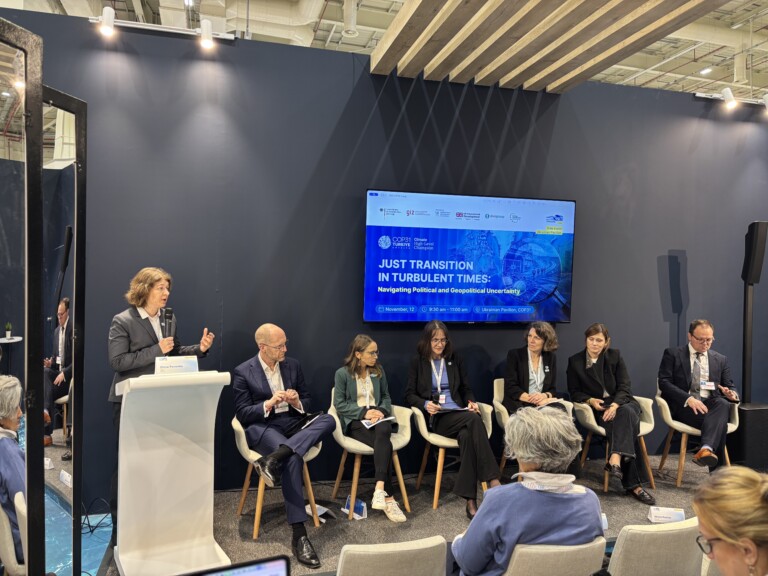
The discussion focused on practical ways to support communities affected by the transformation of energy and industrial sectors, mobilize investment, develop new employment opportunities and ensure that the transition contributes to Ukraine’s recovery and long-term resilience.
“We need to determine how to make our economy green, create jobs that meet new economic needs, and ensure the continued electrification of our energy infrastructure. We also need to ensure that communities currently dependent on mines and coal-fired power generation remain financially viable. People must be at the center of just transition policies”, – noted Olena Pavlenko, president of the DiXi Group and moderator.
According to the head of the think tank, it is precisely this process that should create new employment opportunities, strengthen local economies and ensure that communities remain financially capable.

Anatolii Kutsevol, Deputy Minister of Energy of Ukraine, emphasized in his speech that a just transition is an extremely difficult task for a country at war. The Ministry is actively collaborating with Parliament to resolve the issue of outstanding debts accumulated by coal enterprises. It is also proposing a mechanism whereby the industrial sites of closed mines will become a resource for developing new businesses rather than a burden.
“First and foremost, we view this transformation through the lens of social protection and the interests of those working in the industry. They need support and new opportunities, which must be planned before the changes directly affect people. Communities need jobs and investments, cutting-edge technologies, and renewable energy sources, which should form the basis for reconstruction”, – emphasized Anatoliy Kutsevol.
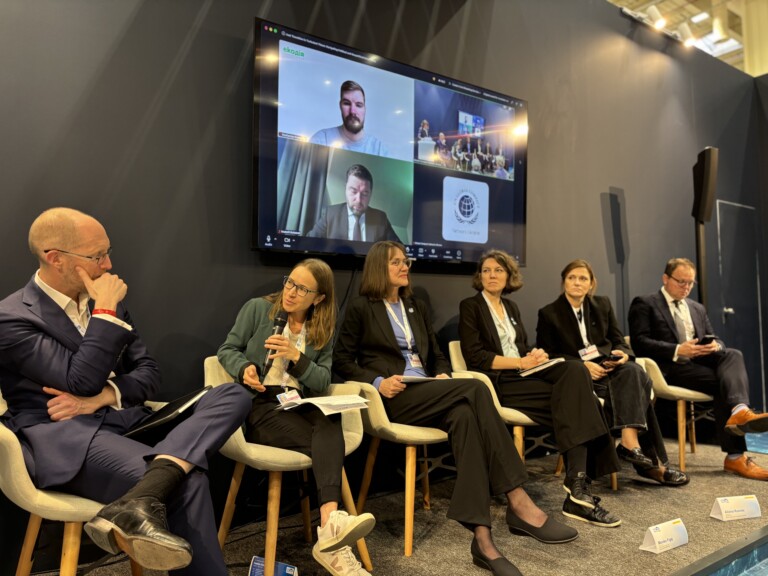
Daniela Göhler, Head of the Ukrainian Climate Office and Director of the GIZ project “Implementation of the Paris Agreement in Ukraine (PAABS)”, is convinced that the four principles that guided Germany’s coal transition will also be useful for Ukraine. These are inclusivity, social protection, regional plans as a foundation for projects, and institutional resilience with a clear division of responsibilities. Ukraine is already adopting these principles through the international Power4JustTransition program, which is being implemented by GIZ.
“At the same time, while the driving force behind a just transition in coal-dependent regions is the same, the time and resources required for the transition vary from country to country. Despite the energy crisis caused by the war, Ukraine has the opportunity to rebuild on better, more environmentally friendly terms, in line with EU standards and climate goals. The priority is to combine short-term measures that will meet urgent reconstruction needs with long-term planning for a green future based on renewable energy sources”, – explains Daniela Göhler.
Harry Boyd-Carpenter, Managing Director of the Sustainable Infrastructure Group at the European Bank for Reconstruction and Development (EBRD), outlines four financial areas through which the EBRD supports a just transition. These include modern energy infrastructure, new economic activities in communities, municipal social and infrastructure projects, grants, and preferential public financing. For Ukraine to succeed, it must combine all these types of international financing.
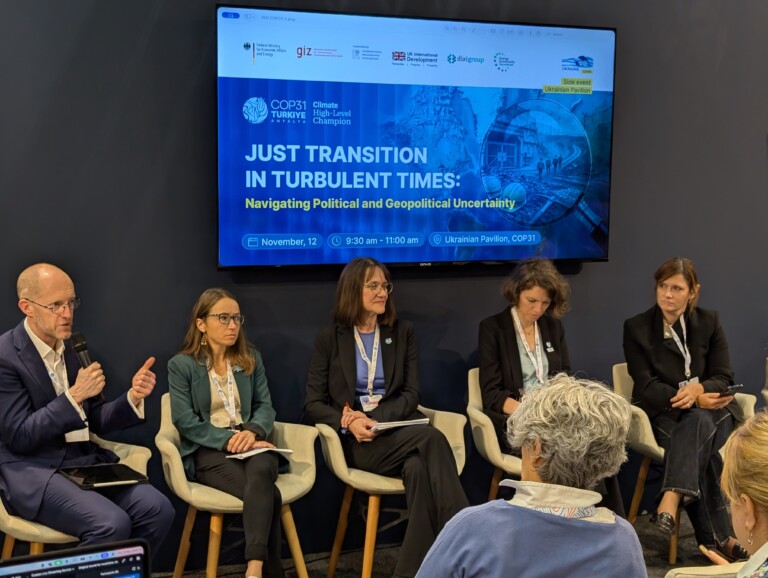
Monika Figaj, Climate and Just Transition Expert, Energy Community Secretariat, emphasized the importance of regional plans, their interconnection and alignment with the National Energy and Climate Plan (NECP) – which is intended to serve as a kind of investment plan – as well as our country’s achievements in preparing these documents.
Aliona Rusnac, State Secretary of the Ministry of the Environment of the Republic of Moldova, shared her country’s experience and vision for potential cooperation with Ukraine, particularly regarding the mobilization of international financing.
U.S. Senator Sheldon Whitehouse was a special guest at this discussion in the Ukrainian pavilion, he delivered closing remarks in which he highly commended Ukraine’s resilience and capacity for innovation in the face of Russia’s aggression. He connected the transition away from fossil fuels with broader strategic security objectives, including reducing Russia’s revenues from hydrocarbons exports.
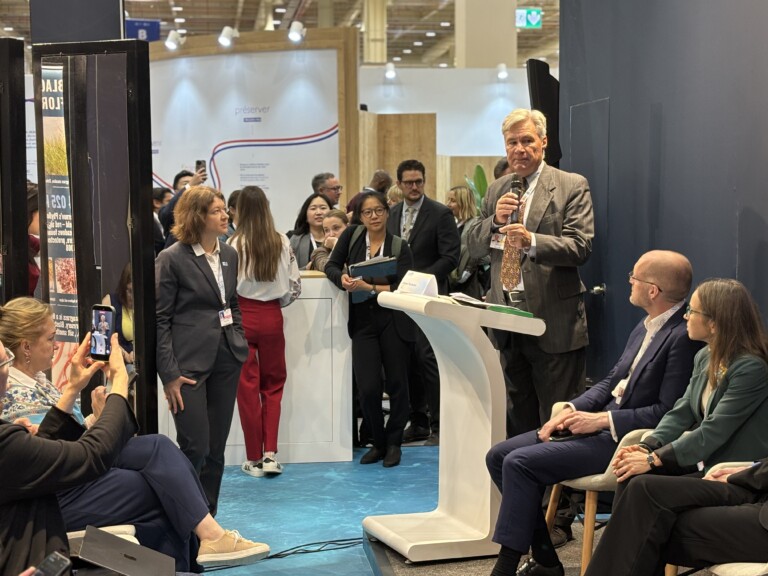
The discussion reinforced a central message – just transition in Ukraine cannot be separated from its economic recovery, energy security and European integration. It requires a coordinated approach that connects investments in both infrastructure and people, local economies and institutions.
For the panelists’ full presentations, follow the link: https://www.youtube.com/watch?v=Vga8QqKQgMc.