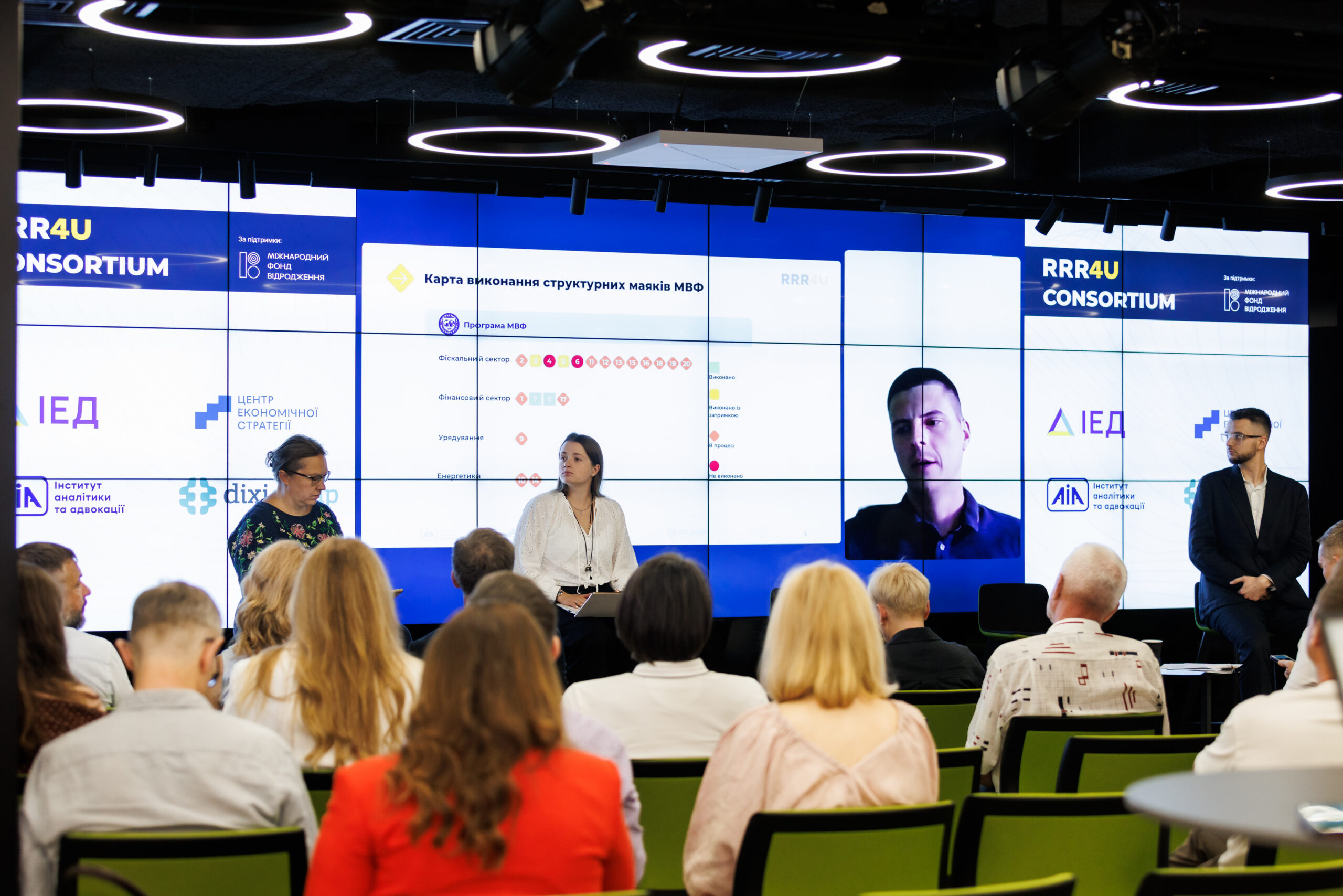
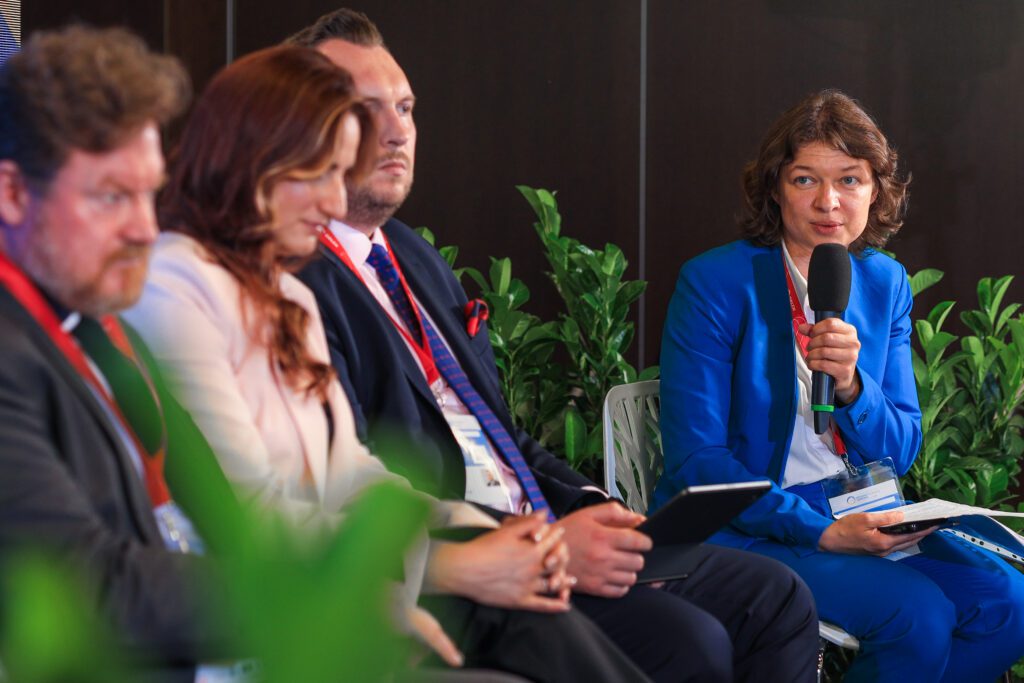
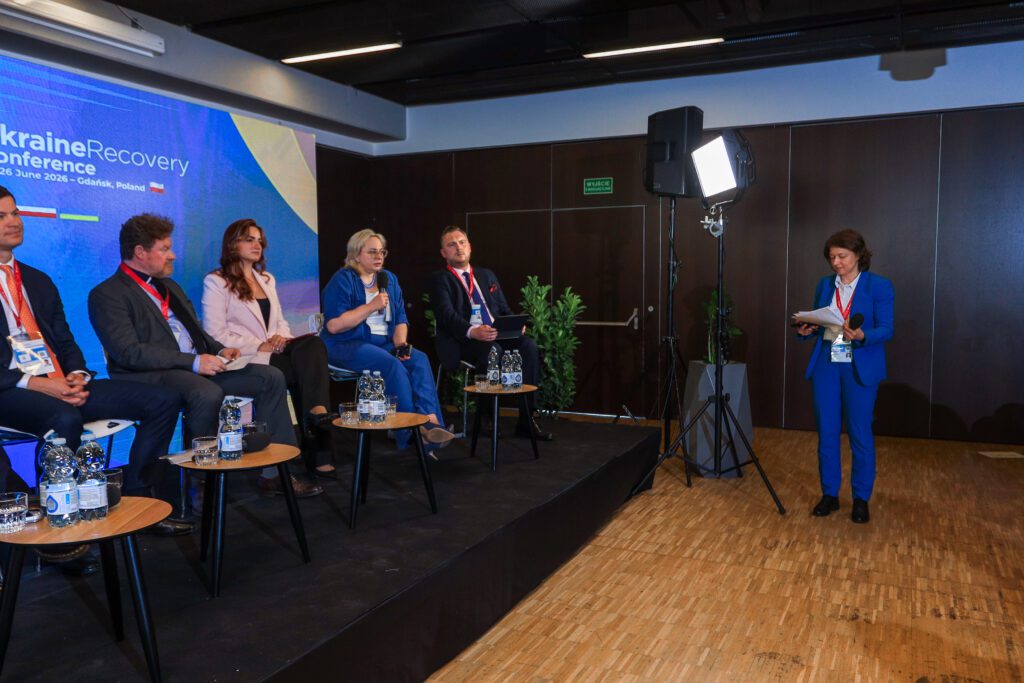
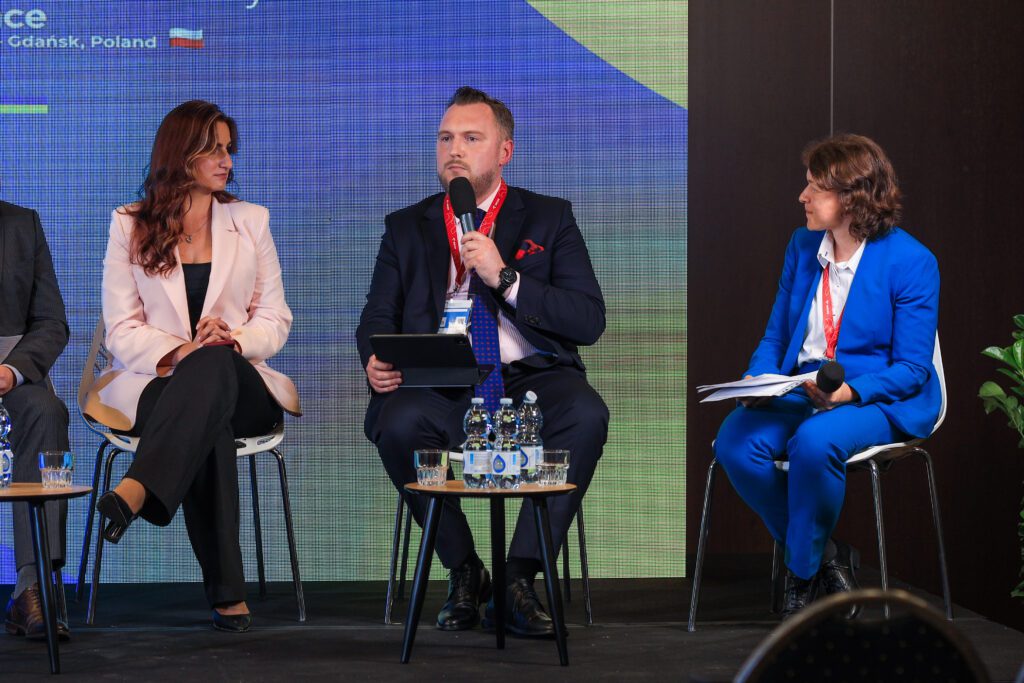
A panel discussion titled “Powering Integration, Unlocking Investment” took place in Gdańsk during the Ukraine Recovery Conference 2026 Energy Platform, organised by the Ministry of Energy of Ukraine. Participants discussed which segments of Ukraine’s energy sector offer the greatest potential for business, what conditions are needed to attract larger volumes of foreign investment, and which reforms should be prioritised to unlock these opportunities. The panel was co-organized by DiXi Group think tank.
Opening the discussion, Olena PAVLENKO, DiXi Group President, who moderated the panel, stressed that the key question on the agenda is how to combine investments, reforms and business engagement into a single logic for the sector’s recovery.
“Ukraine is rebuilding its energy system while simultaneously integrating into the European market, and these two processes cannot be separated if we want to secure a competitive edge for the country within the wider European market and unlock truly large-scale investments,” Olena Pavlenko stressed.
Olga YERIOMINA, Associate Director, Senior Banker, EBRD, noted that capital flows where there is stability and predictability, and therefore all reforms in the sector should be investor-centred.
“We need to be very pragmatic when discussing reforms and investments, because investors go where they see stability and returns. Whatever energy strategy we are building, we need to test it with investors willing to commit capital. And if they are not ready, it means we will have to amend the strategy,” the EBRD representative added.
Among the reforms already implemented, she specifically highlighted Ukrenergo’s auctions for ancillary services, which she described as a success story because they were designed with investors in mind.
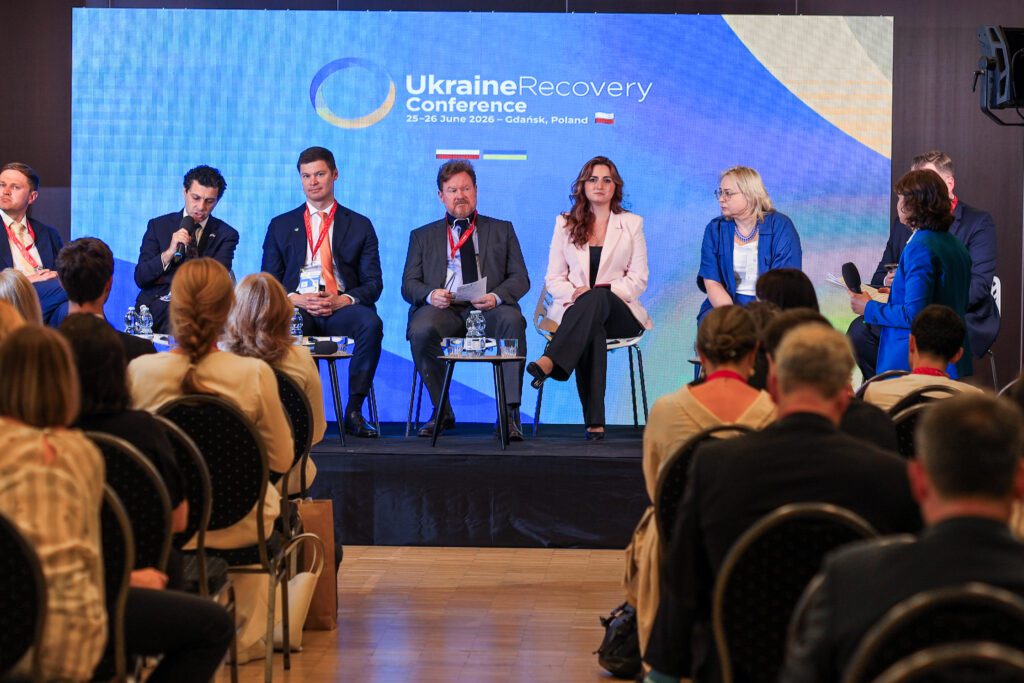
In his remarks, Alex SOBEL, UK Trade Envoy to Ukraine, underlined that Ukraine’s energy sector is of tremendous importance to the United Kingdom. Beyond supporting the sector in the short term, including through humanitarian assistance aimed at the rapid restoration of damaged infrastructure, the UK is also working on medium- and long-term plans focused on transforming Ukraine’s energy infrastructure.
“We are beginning to work with Ukraine on SMRs and AMRs – not just uranium fuel, but the whole process in terms of feasibility and design for structures where the UK has expertise. In terms of reforms, I think the thing that we’re engaging most strongly with Ukraine on is public procurement reform, moving Ukraine from lowest-cost procurement to non-cost factors in procurement, looking at a broader range of criteria, as we do in the UK and in the EU,” Alex Sobel said.
He also highlighted what he considers to be the most significant barrier to attracting major investors – business risk insurance.
“We’re working with the US and European partners to develop the insurance and reinsurance market, which will allow businesses from around the world to operate and de-risk in Ukraine,” he added.
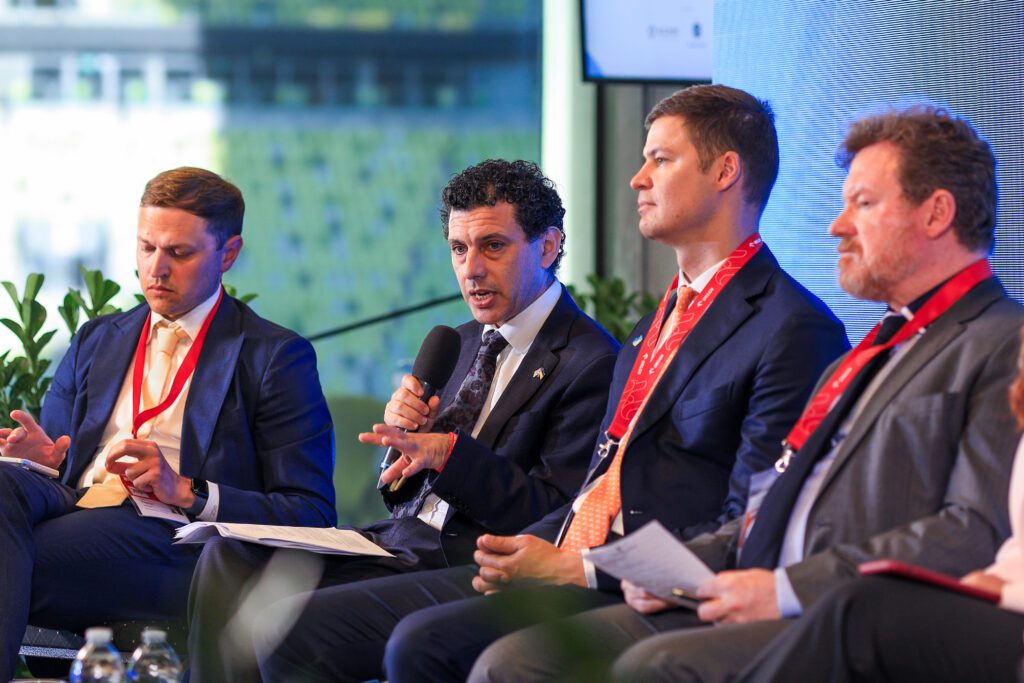
During the discussion, Marcus LIPPOLD, Team Leader, Green Deal Ukraine Service, DG ENEST, European Commission, outlined the key preconditions for unlocking investment, including regulatory independence, adherence to OECD corporate governance principles, the adoption of secondary legislation required for electricity market integration, and the gradual phase-out of price caps.
“For us, regulatory independence and corporate governance in general are very important. The other item is the phasing out of the price caps in the gas and electricity markets. This is also important in terms of the price signals to be sent to encourage energy efficiency measures,” the European Commission representative noted.
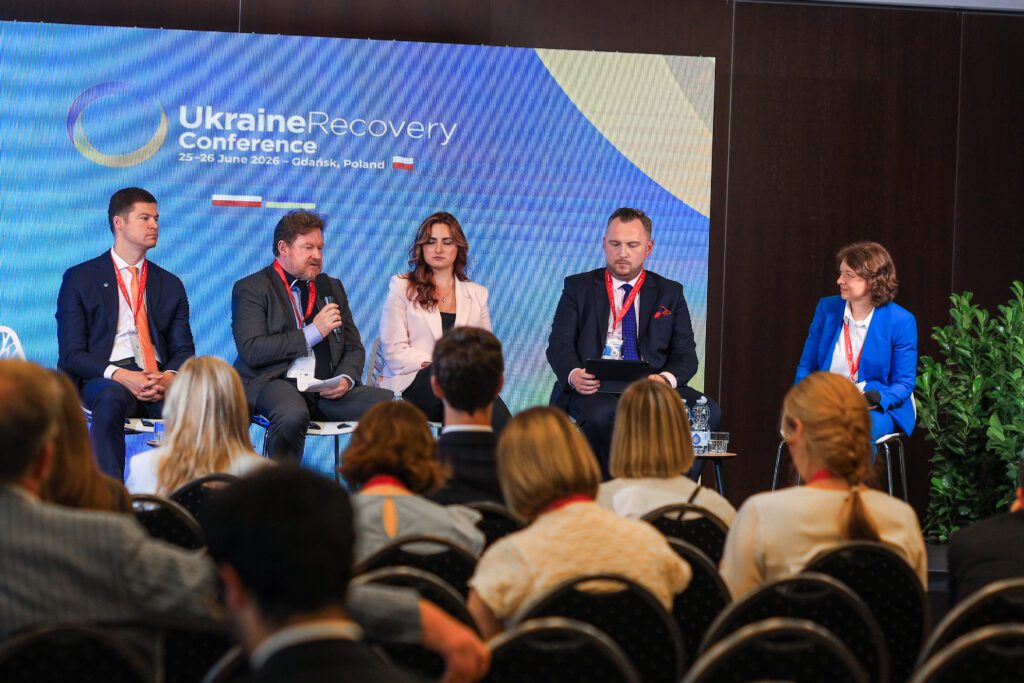
Yuliia KYYAN, Director General of the Directorate for Strategic Planning and European Integration at the Ministry of Energy of Ukraine, emphasised that the Ministry’s focus is on developing de-risking mechanisms, advancing the alignment of Ukrainian legislation with the EU acquis, and establishing clear and transparent market rules. She also outlined the areas that offer promising investment opportunities.
“In every segment of the energy sector, we see opportunities to become more sustainable, greener and stronger. For example: in low-carbon energy – SMRs; in the grid sector – smart grids that can further strengthen the system; and in the gas sector – decentralised generation. A significant part of Ukraine’s energy sector is open for building a new energy system and attracting investments that will pay back. Our goal is to move forward together with Europe and jointly build a strong and resilient energy system,” she said.
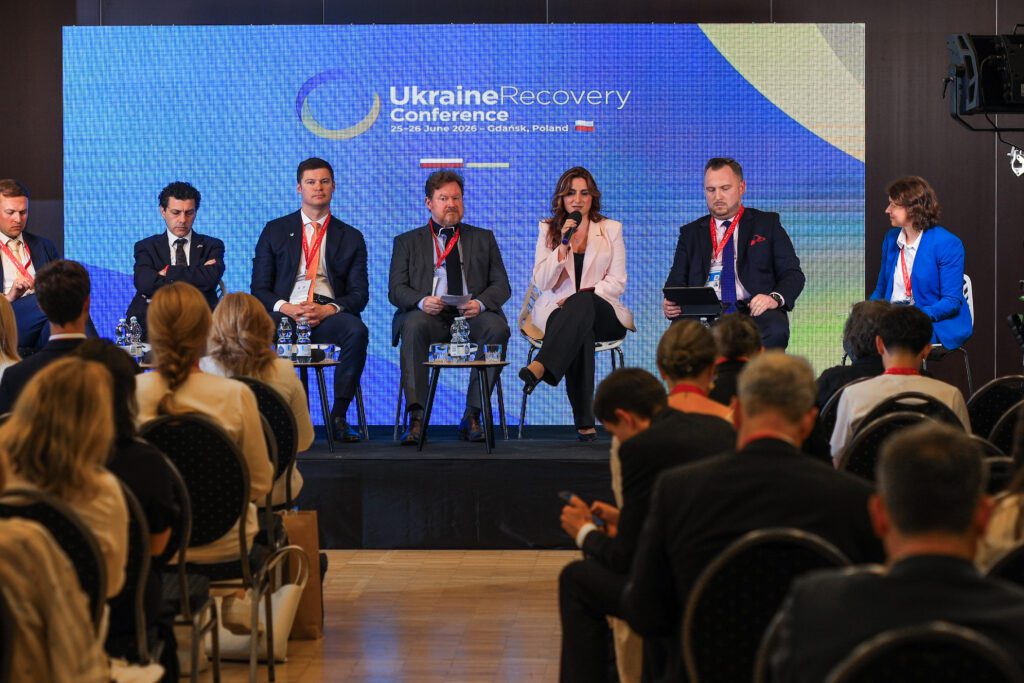
Konrad WOJNAROWSKI, Deputy Minister of Energy of Poland, shared Poland’s experience in attracting investment projects.
“Large-scale investments in electricity networks, gas infrastructure, energy security projects and low-carbon technologies have been supported by national and European investments. I think this is a path for Ukraine as well. And I think only good cooperation between Poland, Ukraine and the European Union can give us good projects,” he said.
Like other panellists, he emphasised the need to define a clear strategic direction and create a predictable regulatory environment to attract investment.
In conclusion, participants agreed that the recovery, resilience and transformation of Ukraine’s energy sector must proceed in parallel, while reforms in regulation, procurement and de-risking are essential to turn existing investor interest into real capital inflows.