Global decarbonisation will drive increased demand for critical minerals, and resource-rich countries that develop their own value chains will gain a competitive advantage and stronger negotiating positions in the future.
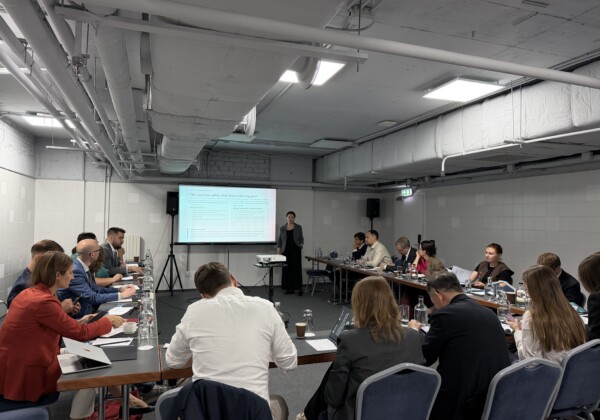
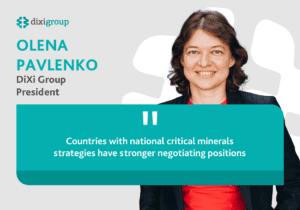
This was stated by Olena Pavlenko, President of DiXi Group, during the panel “Power dynamics between African states, corporations, and global actors” at the Alternative Mining Indaba conference in Cape Town, South Africa.
According to her, around 70% of global critical minerals processing is currently concentrated in China, which also dominates the production of solar panels, batteries, and other related equipment. Such concentration creates risks of excessive dependency, making it essential for countries to develop their own diversification strategies.
She emphasized that many African countries, as well as Central Asia and Ukraine, possess significant critical mineral reserves. Ukraine alone holds deposits of more than 20 minerals classified as critical at the EU level.
“The key question is how to build value chains within resource-rich countries. The mere presence of mineral deposits does not guarantee favourable deals. Profitability must be calculated, and it is essential to determine how citizens will benefit. This requires institutional and industrial capacity. It is also important to learn from one another and introduce higher standards into negotiation processes,” she stressed.
Olena Pavlenko also noted that many resource-rich countries currently lack practical expertise on how to integrate the extractive sector into broader economic development. In particular, this concerns manufacturing batteries, solar panels, mobile devices, and other downstream products. Many countries seek to develop value chains within their own economies.
“In Ukraine, we are also developing a strategy that will answer key questions: Do we want to establish battery manufacturing? Will it create additional jobs? How should this be implemented? Every country needs its own vision for developing this sector in the context of overall economic prosperity,” the expert concluded.
In closing, the President of DiXi Group stressed that transparency and accountability – at both national and local levels – are essential elements of any sectoral strategy. This is crucial to ensure clarity in economic calculations, as the sector is particularly vulnerable to conflicts of interest among stakeholders.