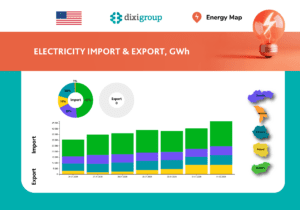
According to Energy Map, between January 26 and February 1, 2026 Ukraine imported 264.8 GWh of electricity, which is 15% more than in the previous week (229.4 GWh). This is the highest weekly import volume since the launch of the new electricity market in July 2019 (historical daily data prior to this period are not publicly available).
During the reporting week, there was a steady trend of increasing electricity purchases from abroad. The only exception was January 30, when imports decreased by 2% compared to the previous day.
At the same time, on February 1 Ukraine recorded a new daily import record of 46.5 GWh, which is also the highest daily figure since the launch of the new electricity market in 2019.
According to the Ministry of Energy, increasing import volumes allows maintaining the stability of the power system against the backdrop of massive russian attacks and severe frosts, reducing electricity deficit. The involvement of electricity from neighboring European countries contributes to balancing the system, which has suffered significant damage, and makes it possible to reduce the volume of forced power outages.
Such support became possible due to the expansion of cross-border transmission capacity between Ukraine and Europe. In January, the import capacity limit from European countries to the joint Ukraine-Moldova control block amounted to 2.45 GWh, which is an absolute record since Ukraine’s synchronization with the ENTSO-E system. The increase in upper price caps in short-term market segments in January also enabled higher import volumes.
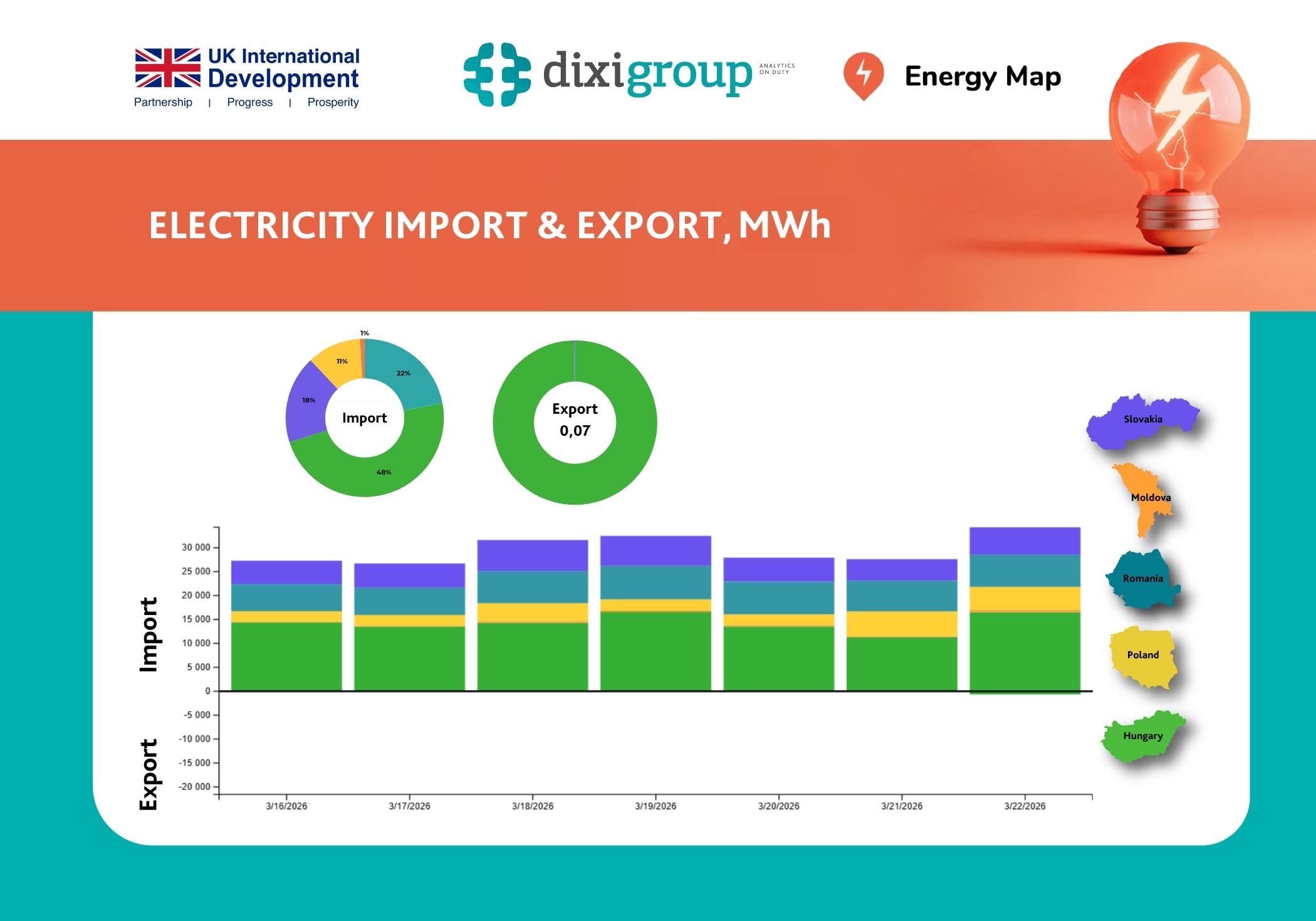
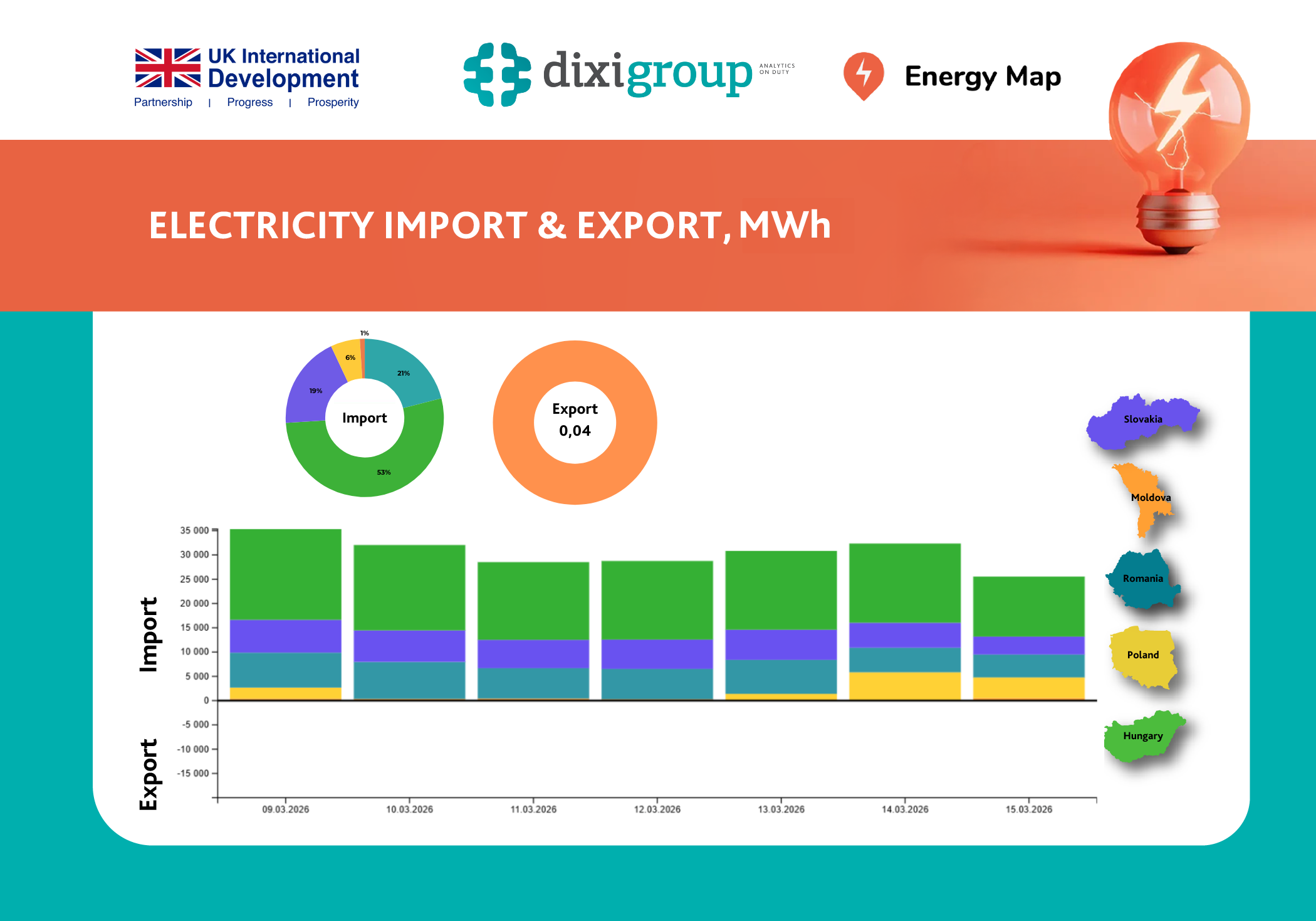
Import structure by country:
- Hungary – 129.0 GWh (49%);
- Romania – 53.1 GWh (20%);
- Slovakia – 50.6 GWh (19%);
- Poland – 30.6 GWh (11%);
- Moldova – 1.5 GWh (1%).
The growth of electricity imports from European countries ranged between 6% and 26%, with the exception of Poland and Moldova, from which supply volumes decreased by 4% and 60%, respectively.
Exports remain completely absent from November 11, 2025.