According to Energy Map, during the reporting week (March 2-8), Ukraine resumed electricity exports to Moldova at minimal volumes. The total supply amounted to 0.04 GWh. Electricity was supplied on March 5 and 6 during nighttime and morning hours (01:00-06:00). Before that, the last time electricity exports from Ukraine were recorded was on November 10, 2025.
At the same time, electricity import volumes continued to decline. Over the week, Ukraine imported 213.2 GWh of electricity, 30% less than the previous week. This marks the second consecutive week of reduced electricity purchases from abroad.
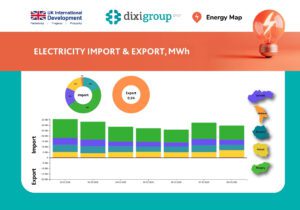
The largest electricity import volumes during the week came from Hungary – 100.1 GWh (47%). Imports from Romania amounted to 39.7 GWh (18%), from Slovakia – 35.5 GWh (17%), from Poland – 34.1 GWh (16%), and from Moldova – 3.8 GWh (2%). Compared to the previous week, electricity supplies from all partner countries decreased by 27-47%.
These changes in foreign electricity trade are primarily explained by weather conditions. Rising air temperatures led to a reduction in overall electricity consumption and, accordingly, a decrease in system load. Additionally, the system balance was supported by increased electricity generation from renewable sources. Sunny weather contributed to higher solar power generation, while the onset of the spring runoff boosted hydropower production. Under such conditions, the system experienced surplus electricity during certain hours, which allowed exports to resume.
Despite some improvement in the energy system, the security situation remains difficult. During the week, russia continued attacks on Ukraine’s energy infrastructure. In particular, on March 7, another massive attack targeted energy facilities. Following this, daily electricity imports rose to 32.4 GWh, 25% higher than on March 6.
Some regions continue to experience significant difficulties with electricity supply. In particular, a difficult situation persists in Odesa region and some frontline settlements, where, due to network damage from russian attacks, electricity cannot always be physically delivered in sufficient volumes to meet consumer demand.
The publication was prepared with the financial support of the UK Agency for International Development under the project “Mainstreaming National Energy and Climate Plan for Ukraine’s Green Recovery and Strengthening the Green Transition Office” implemented by DIXI GROUP NGO. The contents of the publication are the sole responsibility of DIXI GROUP NGO and under no circumstances can be considered to reflect the position of the UK Agency for International Development.