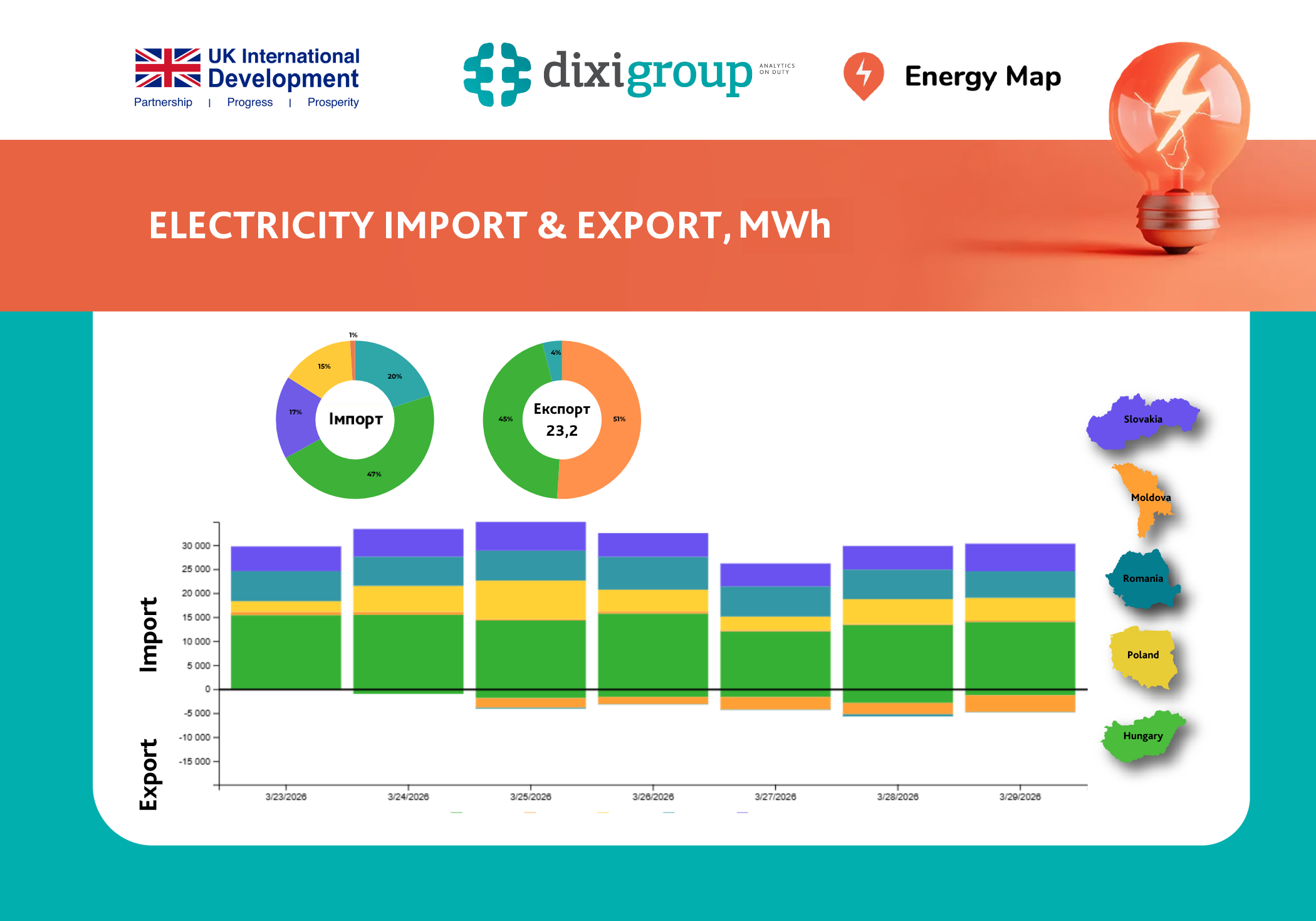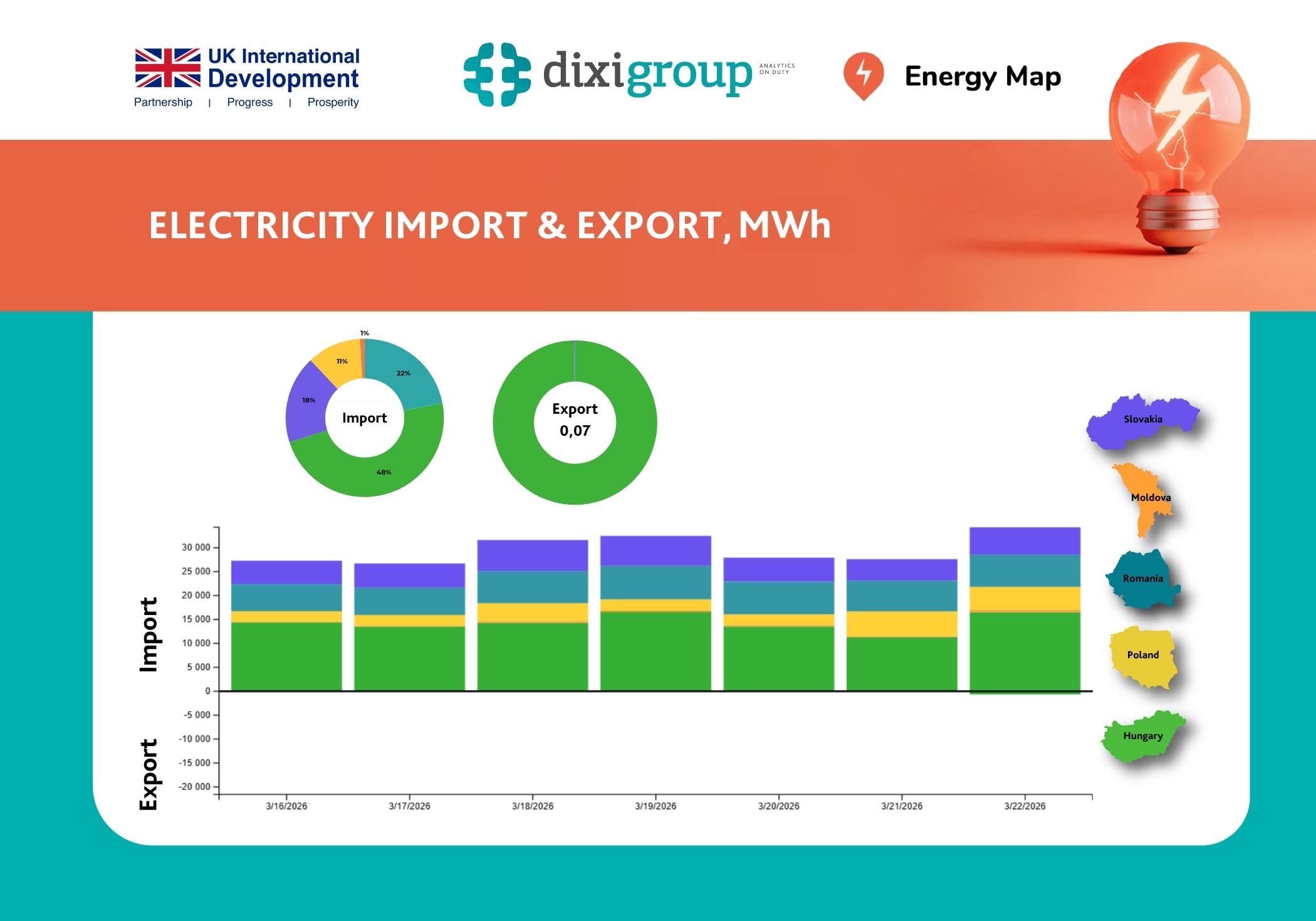
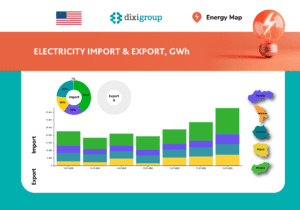
According to Energy Map, between January 12 and 18, 2026, electricity imports to Ukraine increased by 4% to 171.6 GWh. Exports have remained completely absent for almost two and a half months.
Throughout the week, Ukraine experienced severe frosts, which led to increased electricity consumption. At the same time, system balancing was complicated by the consequences of attacks on energy infrastructure. In particular, on the night of January 13, russia carried out the fourth massive attack since the beginning of the year, deploying 293 strike drones and 25 missiles of various types. This resulted in a serious deterioration in the operation of the power system and further deepened the deficit.
One of the mechanisms for balancing the power system is electricity imports. To stimulate imports and improve market balancing, NEURC raised the upper price limits (price caps) in the short-term market segments on January 16. Starting from the delivery day of January 18, the upper price cap for all hours of the day-ahead market and the intraday market was set at 15000 UAH/MWh, while for the balancing market it was set at 16000 UAH/MWh.
Following the increase in price caps, import volumes rose to a record 37.8 GWh on January 18. In January, the maximum available cross-border interconnection capacity for electricity imports stands at 2.45 GW. On average, during January 12-17, the utilization of available interconnection capacity amounted to 37.9%, while on January 18 it increased to 64.3%.
Import structure by country:
- Hungary – 72.4 GWh (42%);
- Romania – 38.9 GWh (23%);
- Slovakia – 30.4 GWh (18%);
- Poland – 27.6 GWh (16%);
- Moldova – 2.3 GWh (1%).
Supplies from Hungary, Slovakia, and Romania increased by 1-20%, while imports from Poland and Moldova decreased by 13% and 4%, respectively.