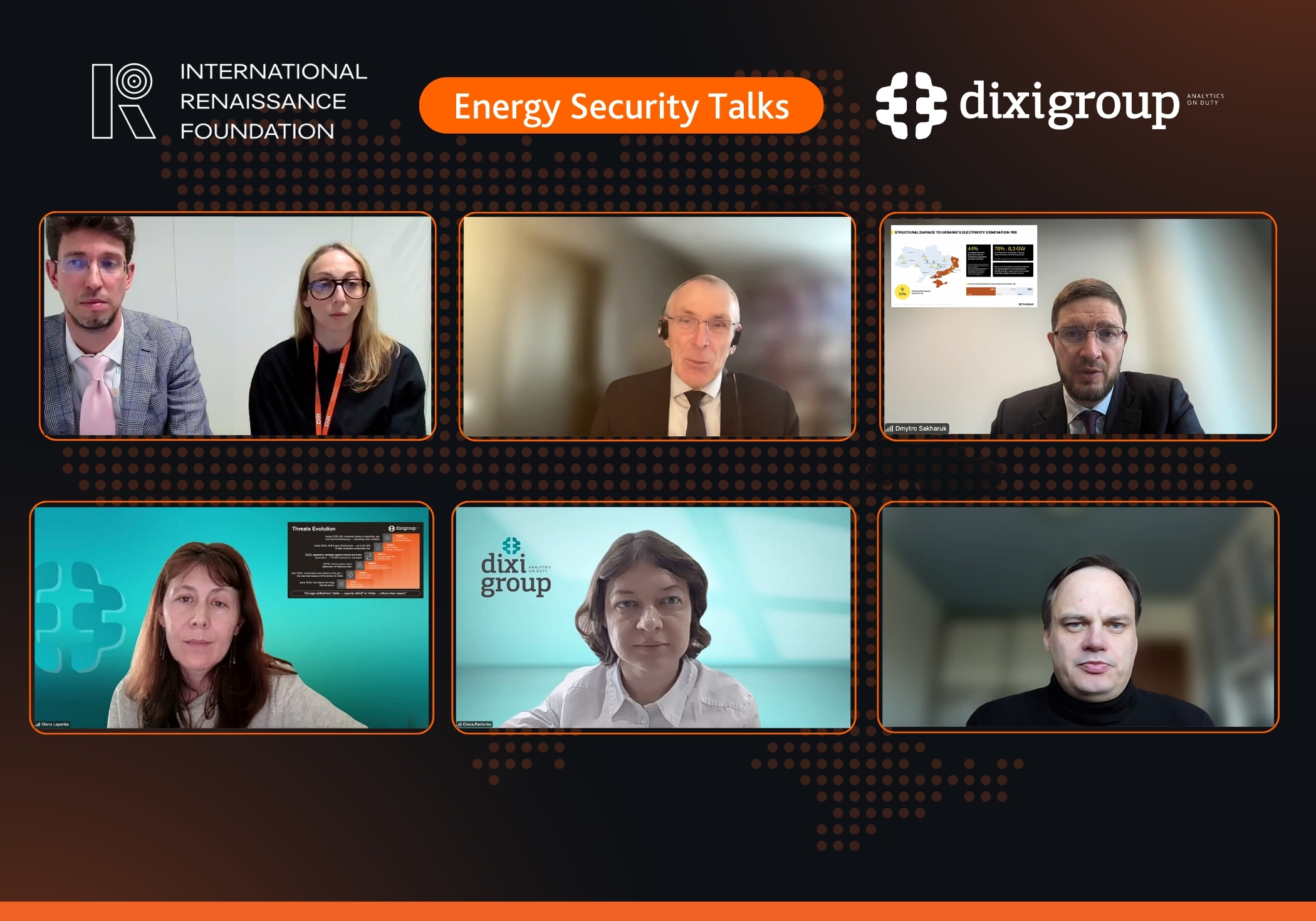
Attacks on energy infrastructure, from Ukraine to Qatar, are shifting the market balance and heightening concerns about resource availability and timely preparations for winter, DiXi Group president said during the workshop “Ukraine’s geoeconomic strategy in an era of global transition: risks and opportunities”, organized by The London School of Economics.
According to the expert, the situation on the gas markets is becoming increasingly complex: Iran’s attacks – not only on military targets but also on energy facilities, including gas production infrastructure in Qatar – are already affecting European markets.

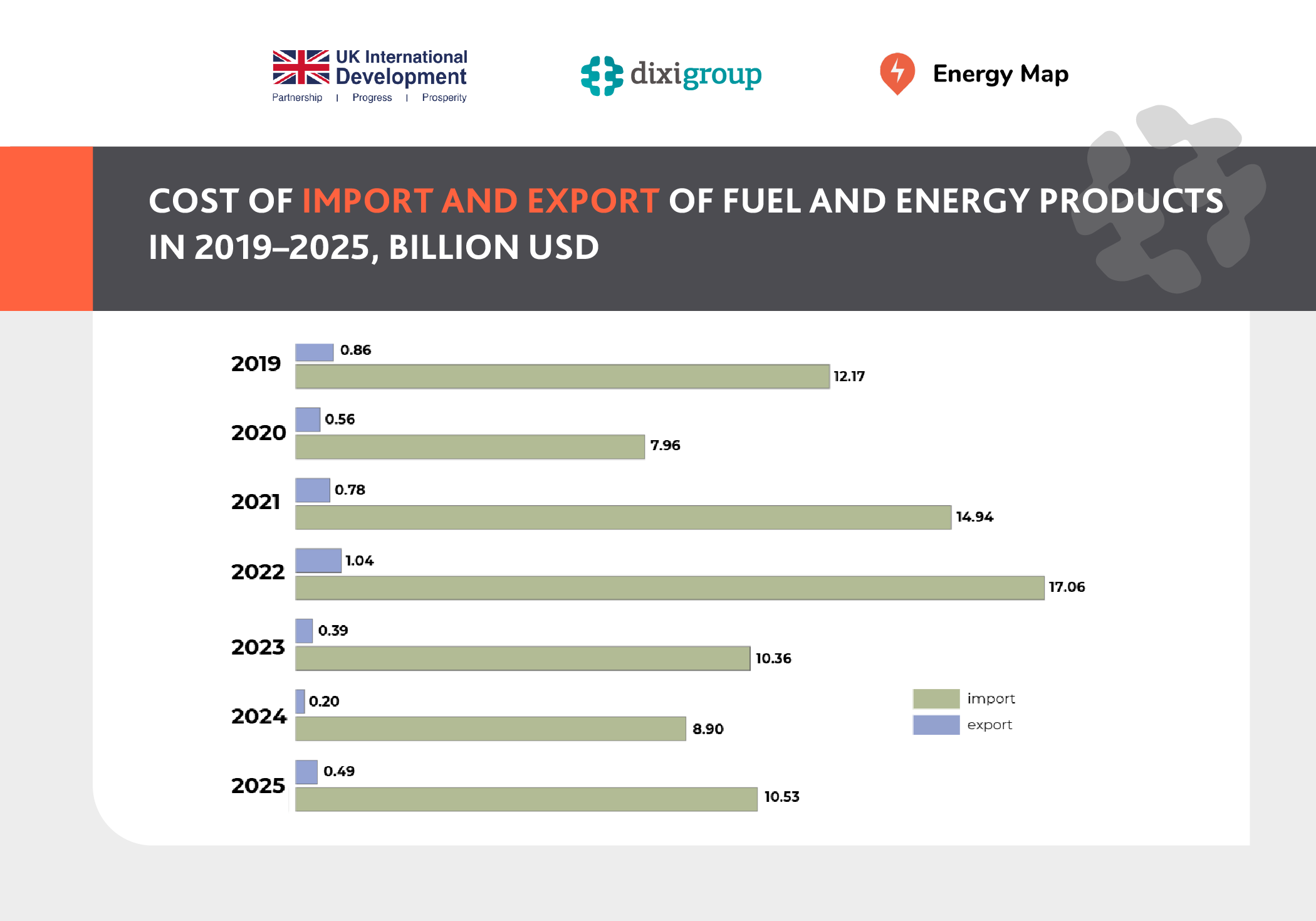
Although gas prices have already risen, Qatar’s role as an important supplier to certain EU countries is creating additional tension. At the same time, russia is systematically attacking Ukraine’s energy infrastructure, significantly reducing production volumes. Although part of production has been restored, the attacks continue, forcing Ukraine to increase gas imports – from approximately 4 to 6.5 billion cubic meters per year.
“As of now, russia stands to gain from this destabilization of the energy markets; it expects the EU and other countries to resume regular purchases of Russian gas and oil. After all, such an invitation has already been extended by the russian side,” the DiXi Group president emphasized.
Against this backdrop, politicians in the European Union with close ties to Russia have stepped up pressure to revise the EU’s energy strategy and diversify its partnerships. Although the European Commission’s planned presentation on a complete phase-out of Russian oil and gas by 2027 has been delayed, the EU has so far reaffirmed its commitment to this course.
Rising market tensions are putting additional pressure on EU countries regarding gas imports, transportation, and storage, particularly to meet Ukraine’s needs.
“One of Ukraine’s top priorities is to increase gas storage reserves ahead of winter and to begin preparations now. The government is already working on this. At the same time, medium-term solutions extend beyond the energy sector. The EU, and Ukraine as well, need to further digitize and simplify energy regulations to increase the number of projects – both in the area of decarbonization and to expand partnerships in oil and gas production and supply,” concluded Olena Pavlenko.
Participation in the event was made possible with the support of the International Renaissance Foundation as part of the project “Strengthening the Resilience of Ukraine’s Energy Sector.”