Accelerating the delivery of international assistance, creating stockpiles of equipment, and deploying local generation solutions – these are the steps that can help not only Ukraine but also lay the groundwork for stronger energy security across the EU. This was stated by the President of DiXi Group during the Chatham House discussion “Russia’s Attacks on Ukraine’s Energy System: What Are the Consequences and How Should Europe Respond?”
According to Olena Pavlenko, Ukraine urgently needs a faster process for providing international support – both equipment and financing – for the restoration of energy facilities.
“Over these four years, Ukraine’s energy system has been subjected to attacks of different scales, and Russia has used various tactics. But what worked for protection before no longer works, because in 2023-2024 Russia fully shifted its economy onto a war footing. It is not attacking individual energy facilities, substations, or transformers – it is attacking literally everything. Russians want to break Ukrainians by pushing them into survival mode, where nothing and no one can help,” the expert emphasized.

That is why the analyst highlighted five key components of cooperation between Ukraine and partner countries that would support not only Ukraine’s energy system but also serve as an energy security “buffer” for the EU itself:
- Optimizing the process of providing international assistance with equipment.
- Developing a decentralized generation. In the short term for Ukraine – any local solutions, including generators. In the broader perspective for both Ukraine and the EU – solar and wind power plants and other geographically distributed generation sources.
- Strengthening the protection of energy facilities and infrastructure. From gabions to enhanced air defense.
- The need to create so-called “stockpiles” of equipment and spare components that can be rapidly deployed to replace damaged energy equipment. In the longer term, such stockpiles are an important asset not only for Ukraine but also for the EU itself.
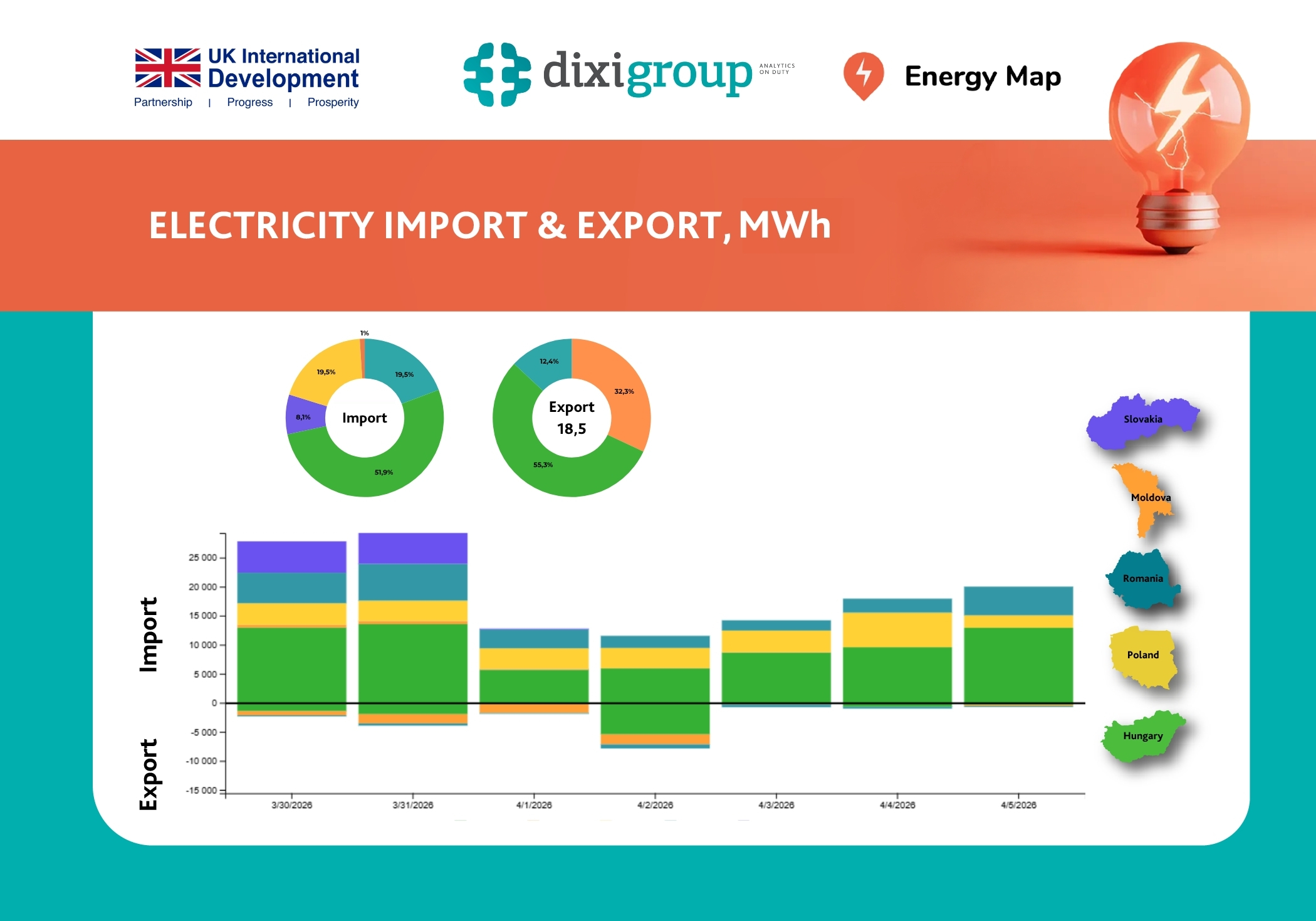
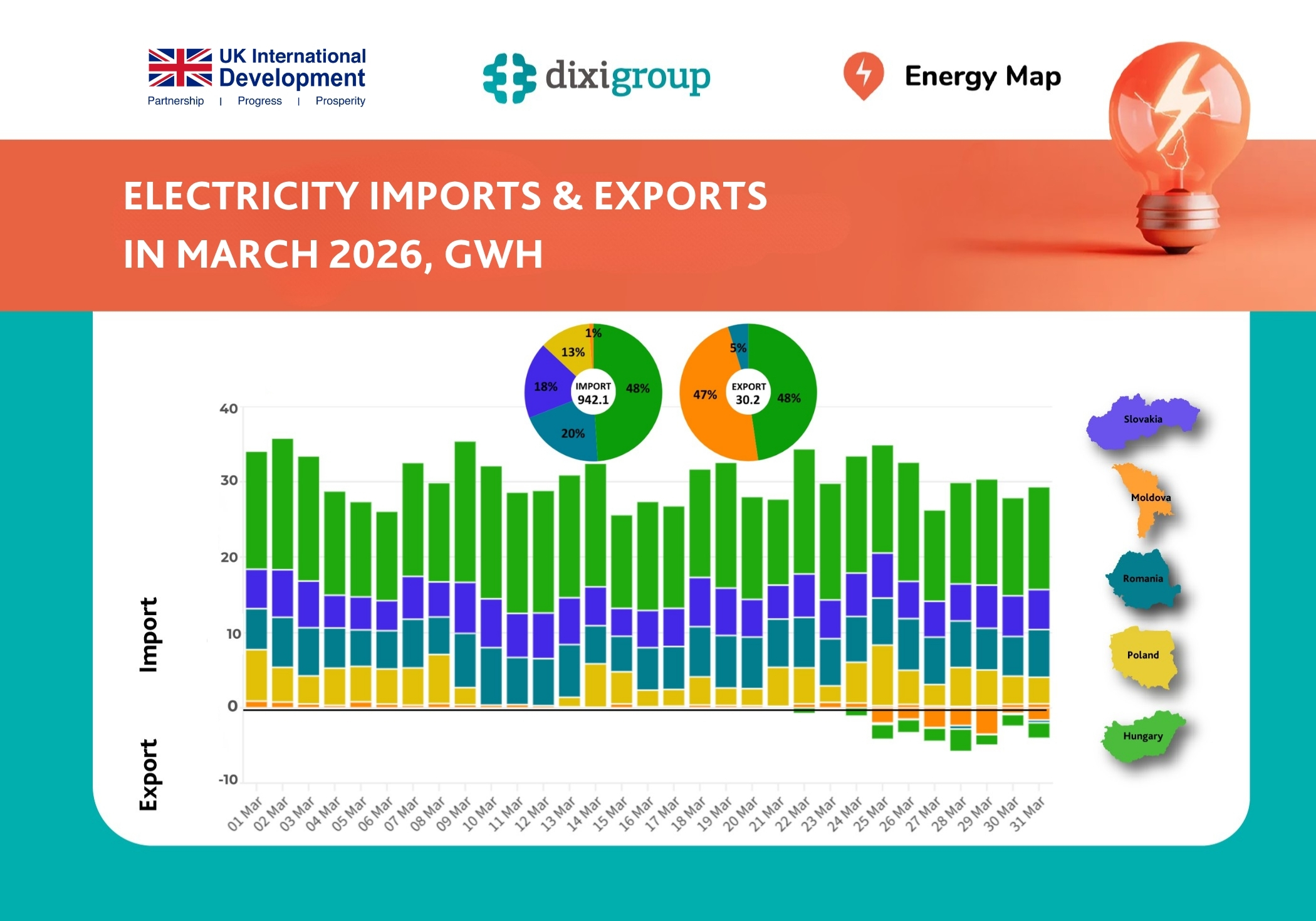
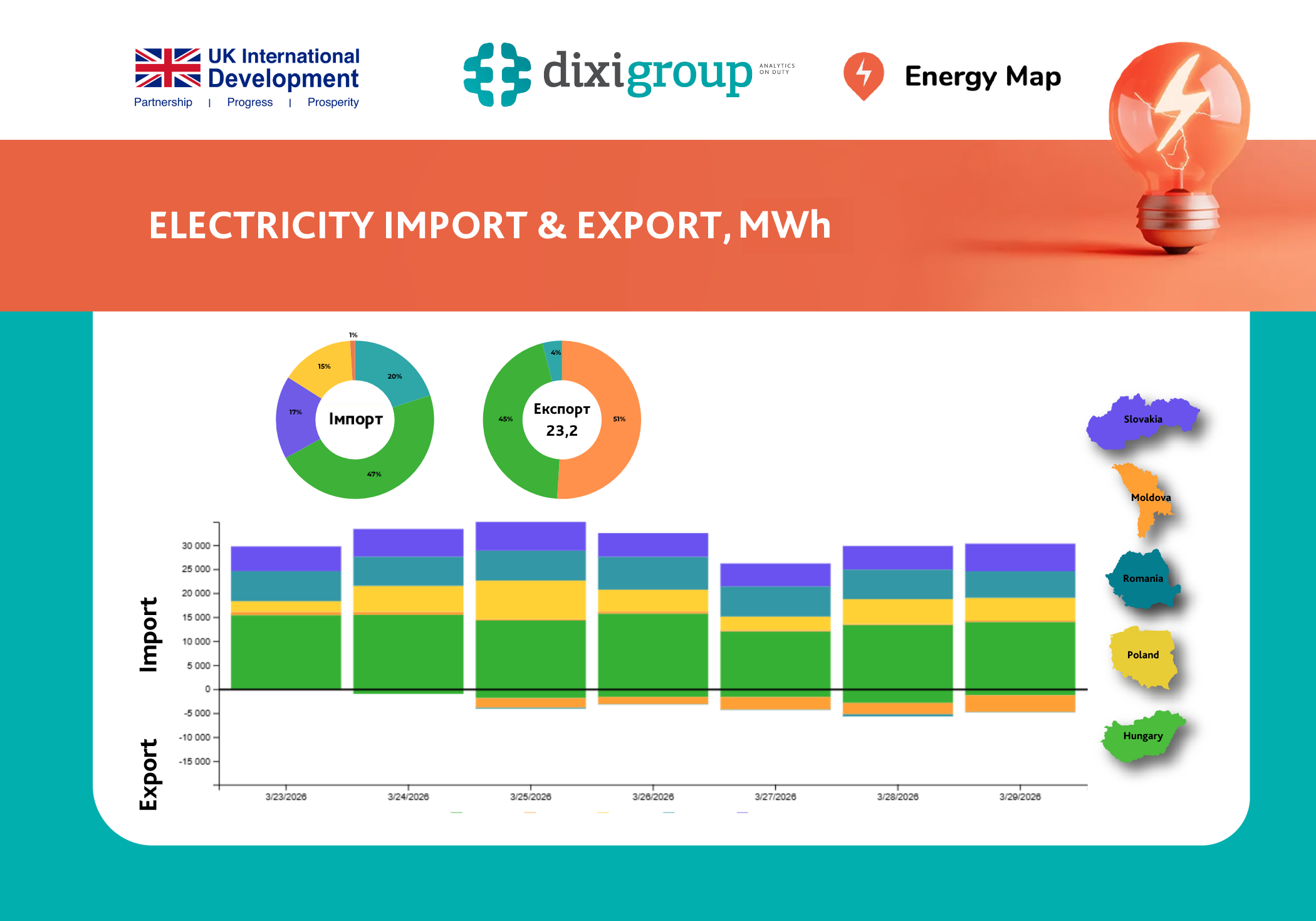
- More open communication with citizens, which is especially important given Russia’s large-scale disinformation campaign in the energy sector. Russia spreads false claims that Ukraine exports electricity or underuses electricity generated by nuclear power plants. EU countries should conduct counter-disinformation campaigns.
Olena Pavlenko also emphasized the issue of compensation for the massive damage Russia has inflicted on Ukraine’s energy sector and its people.
“Ukraine and its partners must already be thinking about how Russia will pay for its crimes – particularly crimes in the energy sector – rather than waiting until the moment of reparations. Energy is the lifeblood of the economy. Since the start of the full-scale invasion, Ukraine has lost more than 20 GW of electricity capacity, and someone must return that to us.”
In conclusion, she noted that European countries can help not only with equipment or funding – they can also initiate engineering support programs for Ukraine and send their specialists to help restore damaged infrastructure. She also reminded participants about the Energy Support Fund, supported by the Energy Community, through which the process of transferring assistance is carried out.