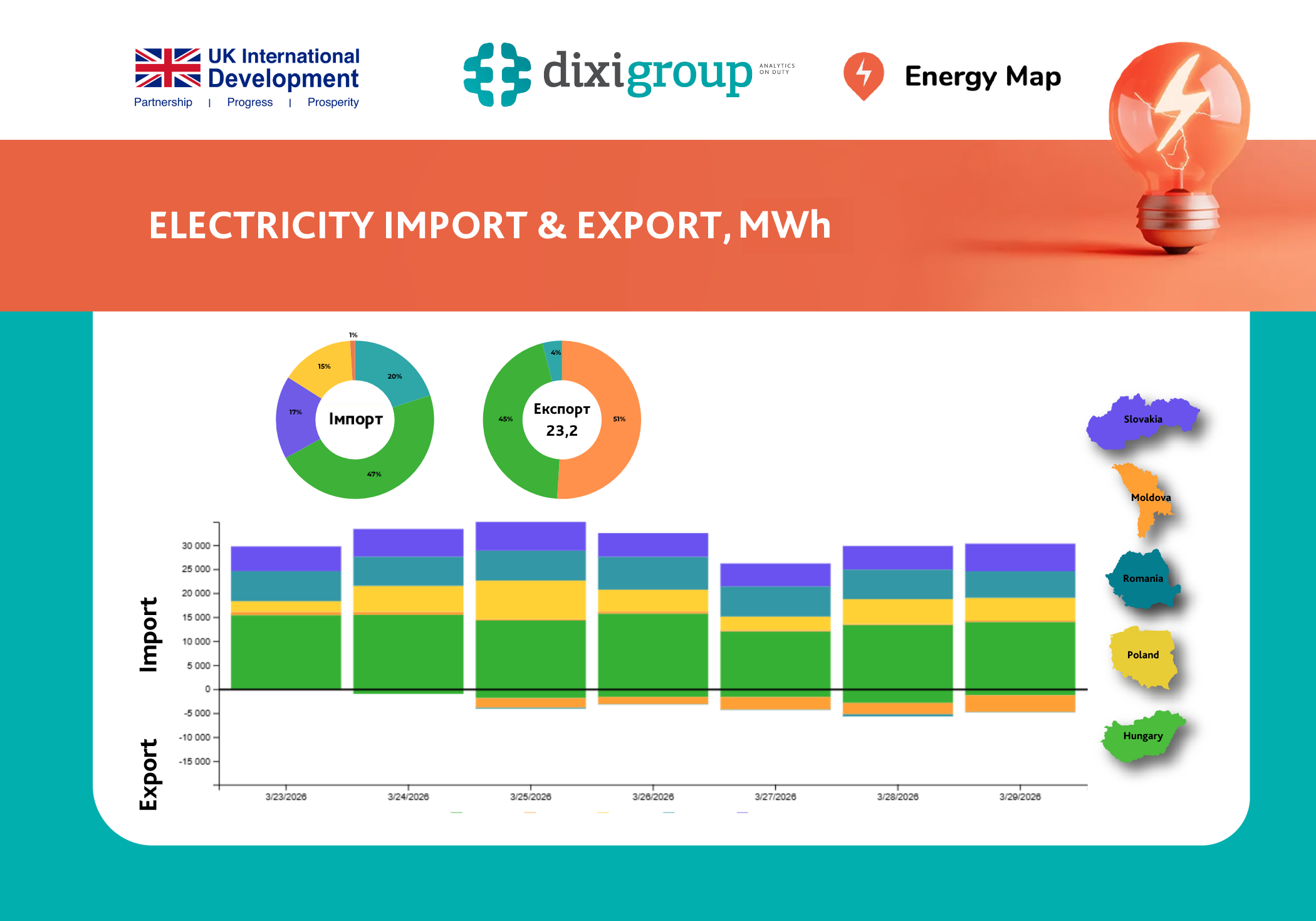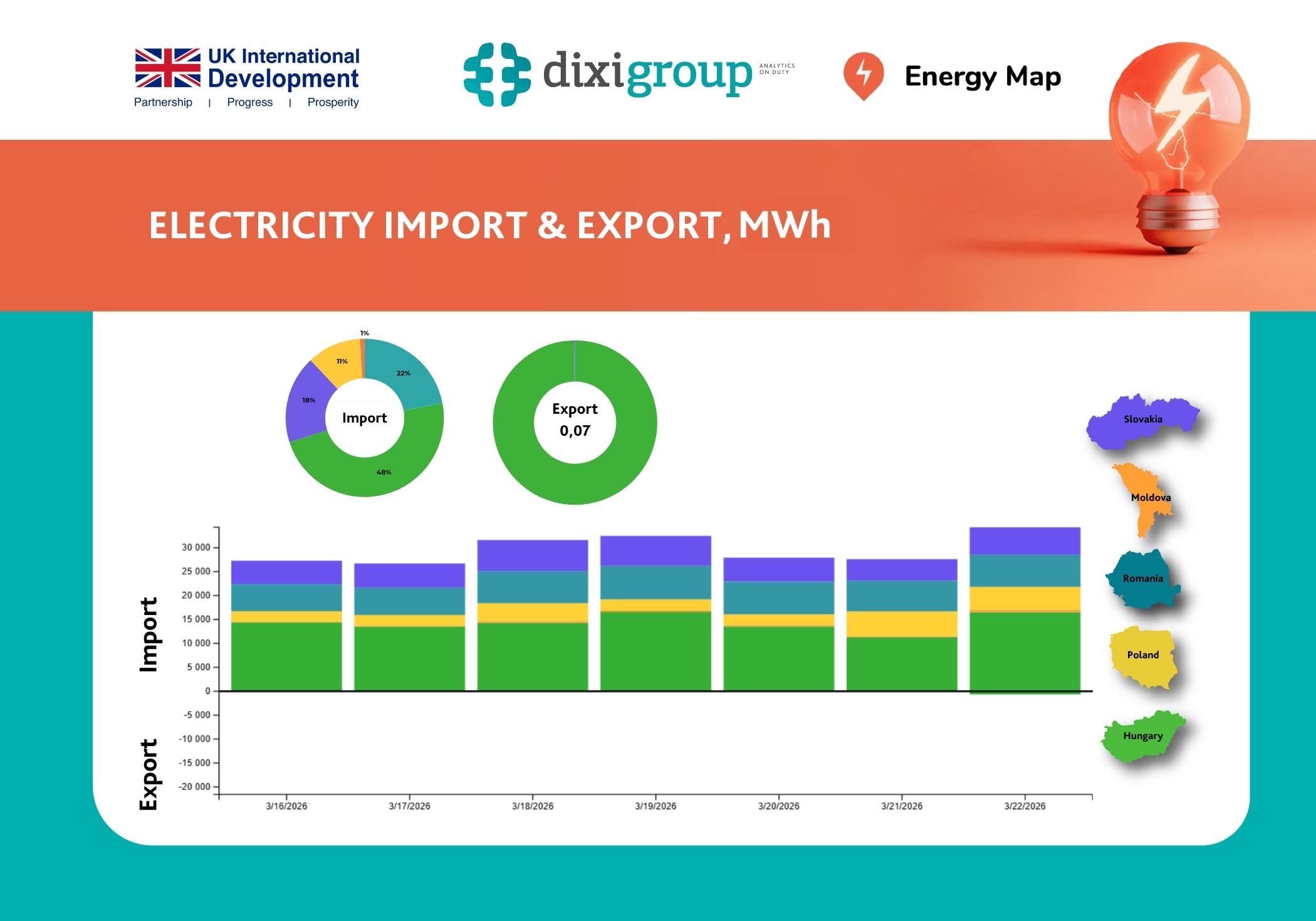
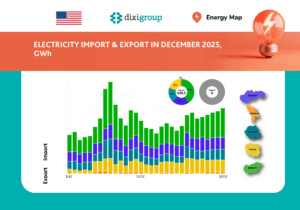
According to Energy Map, Ukraine did not export electricity in December 2025. Zero export volumes were last recorded in August 2024. At the same time, electricity imports increased sharply by 54% month-on-month to 639.5 GWh, reaching their highest level since July 2024.
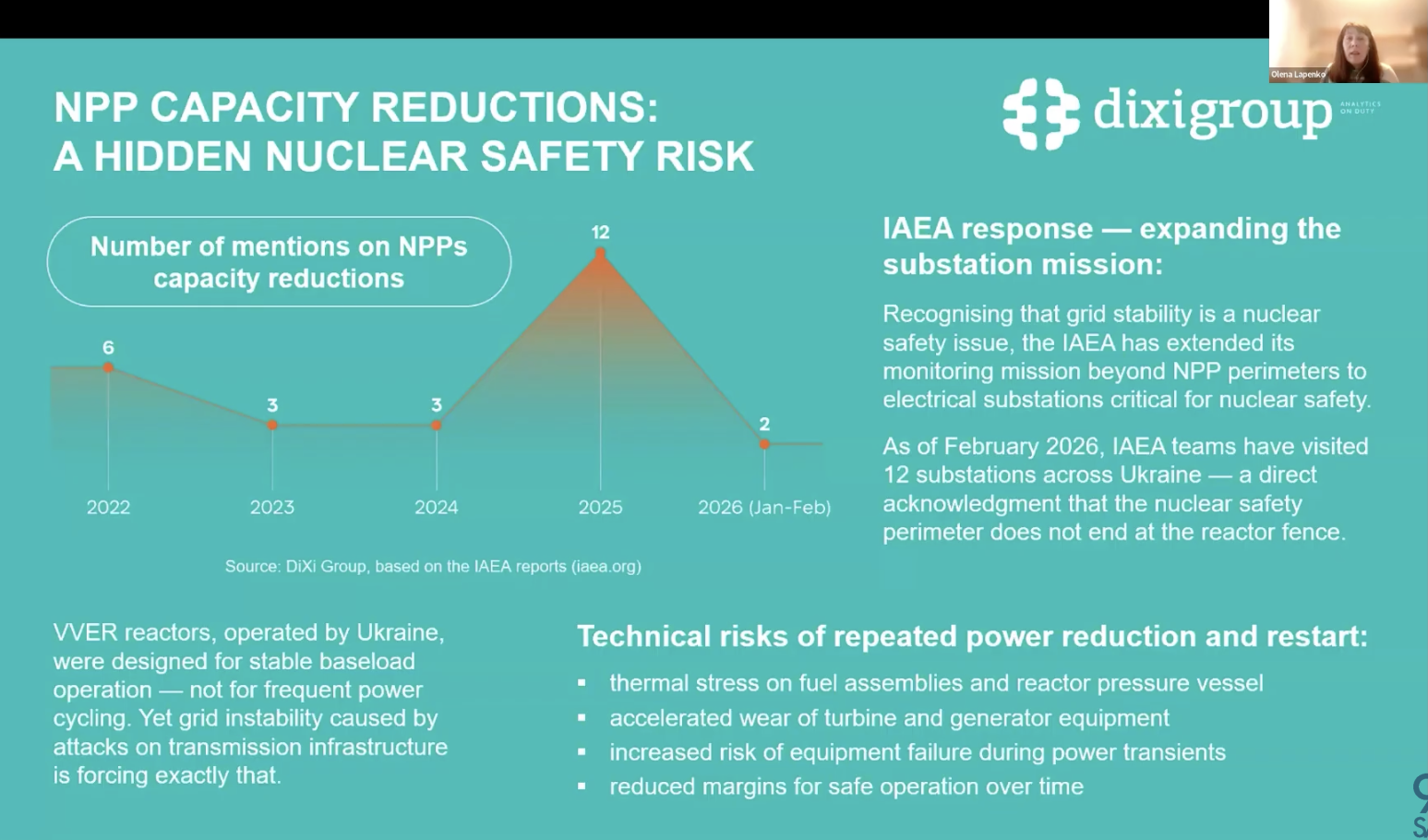
The increase in imports reflected a deterioration in the power system caused by large-scale russian attacks on energy infrastructure, combined with seasonal growth in electricity demand. During December, russia carried out four massive missile and drone strikes targeting electricity generation, transmission, and distribution facilities. In particular, the attacks on 6 and 23 December resulted in a forced reduction in output at nuclear power plants, which account for more than half of Ukraine’s total electricity generation. Additional pressure on the power system stemmed from a significant drop in air temperatures across the country, leading to higher electricity consumption.
Electricity imports were consistently high throughout the month and correlated with the massive russian attacks. Increases in import volumes were typically recorded one to two days after strikes, coinciding with reduced available generation and growing capacity shortages. For example, following the attack on December 6, imports increased to 21.3 GWh on December 7 (+18% compared to December 6) and to 32.6 GWh on December 8 (+81% compared to December 6). Similar dynamics were observed after other massive attacks that occurred on December 13, 23, and 27.
During the last month of the year, electricity imports increased from almost all directions by 42–86% month-on-month, with the exception of Moldova, where import volumes declined by 25%.
Import structure by country:
- Hungary – 261.8 GWh (41%);
- Slovakia – 133.7 GWh (21%);
- Romania – 115.0 GWh (18%);
- Poland – 114.8 GWh (18%);
- Moldova – 14.2 GWh (2%).
In December, the maximum cross-border transmission capacity available for electricity imports increased from 2.1 GW to 2.3 GW. On average, the utilization rate of the available cross-border import capacity during the month was 37.4%. The minimum of 27.5% between 02:00 and 04:00. By contrast, utilization increased significantly during the evening hours, peaking at 55.4% between 17:00 and 18:00.

The maximum value for the month was recorded on December 9 between 21:00 and 22:00 (78.4%), while the minimum was on December 6 between 03:00 and 04:00 (15.4%).

Thus, December 2025 became the third consecutive month that Ukraine ended as a net importer of electricity.
According to NPC Ukrenergo, in January 2026 the maximum cross-border transmission capacity for electricity imports from the European Union to the Ukraine–Moldova synchronous control area increased from 2,3 GW to 2,45 GW.
The material is made possible by the support of the American people as part of the Energy Sector Transparency Project implemented by DIXI GROUP. The information contained in this material is the sole responsibility of DIXI GROUP and can under no circumstances be taken to reflect the position of the U.S. Government.