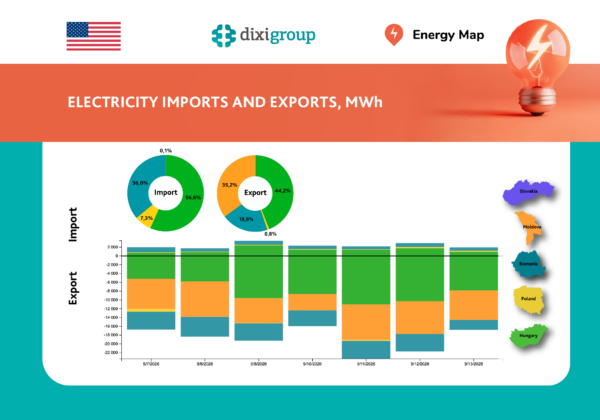
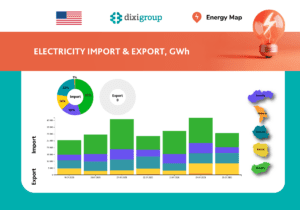
According to Energy Map, between January 19 and 25, 2026, electricity imports to Ukraine increased by 34% to 229.4 GWh. Exports have remained completely absent for almost two and a half months. This is the highest weekly figure since July 2024. At the same time, electricity exports have remained completely absent since November 11, 2025.
After two combined attacks by the Russian Federation within a week, amid severe frosts and damage from previous strikes, Ukraine’s energy system came under extreme strain. According to Prime Minister Yuliia Svyrydenko, the reporting week was one of the most challenging for Ukraine’s energy system since 2022.
One of the mechanisms for balancing the power system is electricity imports. After the increase in upper price caps on short-term market segments from January 18, import volumes rose to record levels. In particular, on January 21, electricity imports amounted to 41.0 GWh, and on January 24 – 42.0 GWh. These are the highest daily import volumes since the launch of the new electricity market in July 2019 (historical daily data prior to that period are not publicly available).
It is worth noting that import capabilities have physical limitations. Since January, the maximum volume of commercial electricity imports is 2.45 GW, with an additional 0.25 GW available through emergency cross-border flows. Considering that Moldova also imports electricity from the ENTSO-E system, Ukraine is left with approximately 2.1 GW of available commercial import capacity. Ukraine is already reaching this ceiling, at least during evening peak demand hours.
Import structure by country:
- Hungary – 102.6 GWh (45%);
- Romania – 50.3 GWh (22%);
- Slovakia – 40.8 GWh (18%);
- Poland – 31.9 GWh (14%);
- Moldova – 3.8 GWh (1%).
Supplies from all countries increased by 15-65%.