The DiXi Group think tank held its annual Ukrainian Energy Security Dialogue 2025 — the fifth discussion platform dedicated to shaping new approaches to energy security amid full-scale war, the global energy transition, intensifying hybrid threats, and growing geopolitical instability. The central question framing the event was how energy security is changing.
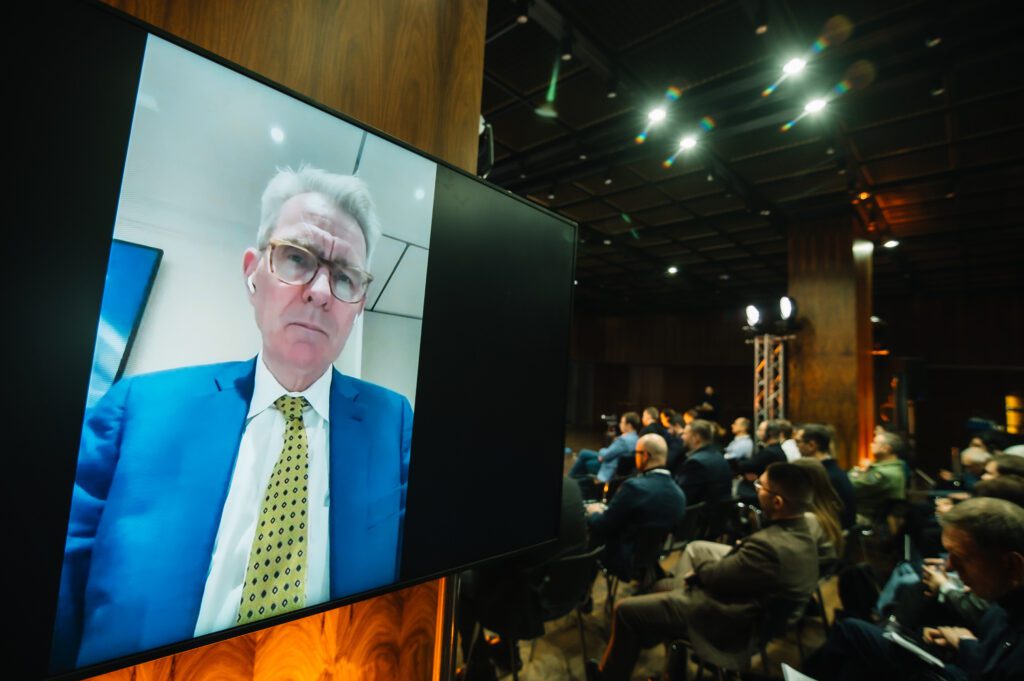
The event was attended by representatives of the Ukrainian government and parliament, international experts and government officials, representatives of Ukrainian and American businesses, and journalists. Speakers include Jeffrey Payatt, Senior Director for Energy and Critical Minerals at McLarty Associates; Žygimantas Vaičiūnas, Minister of Energy of Lithuania; Mykola Kolisnyk and Roman Andarak, Deputy Ministers of Energy of Ukraine; Andriy Gerus, Chairman of the Verkhovna Rada Committee on Energy, Housing and Utilities; Inna Sovsun, Member of Parliament of Ukraine; Silvia Martinez Romero, Senior Energy Specialist at the World Bank; and others.
The brochure contains key conclusions and recommendations that emerged from the discussion and is a valuable resource for anyone interested in the development of Ukraine’s energy sector.
Key Takeaways of Ukrainian Energy Security Dialogue 2025
From recovery to rethinking
Ukraine has abandoned reconstruction based on the Soviet centralized model and moved toward a full replacement of destroyed infrastructure using modern European solutions. The goal is not merely to restore electricity supply, but to build a new, resilient energy system focused on local autonomy, flexibility, and reduced vulnerability.
Decentralization and the green transition as security factors
Ukraine’s energy sector is rapidly decentralizing and “greening,” with active participation from businesses. New solar and wind capacities, along with energy storage systems, are being developed directly by consumers, increasing system resilience even amid targeted attacks on transmission networks.
EU integration and the role of a regional hub
The development of the gas corridor Poland–Ukraine–Moldova–Romania and full market coupling with the EU by 2027 are transforming Ukraine into a strategic energy hub. Suspension of Russian gas transit and strengthening interconnectors make Ukraine’s energy system an integral part of the single European security space. Key Takeaways of the Ukrainian Energy Security Dialogue 2025
Operational speed as a technological advantage
Ukraine has demonstrated an unprecedented ability to rapidly adapt to wartime energy challenges — from large-scale engineering protection programs to record-fast restoration of critical equipment. What takes months under peacetime in European conditions is already being accomplished in Ukraine within weeks, creating unique hands-on expertise for the entire region.
Reforms and investment as the foundation for recovery
Long-term sector recovery relies on institutional reforms, market transparency, and support from international partners. Investment insurance mechanisms, corporate governance reform, the gradual phase-out of PSOs, and integration into European R&D programs create a predictable business environment and open the way to scaling up Ukrainian energy solutions globally.
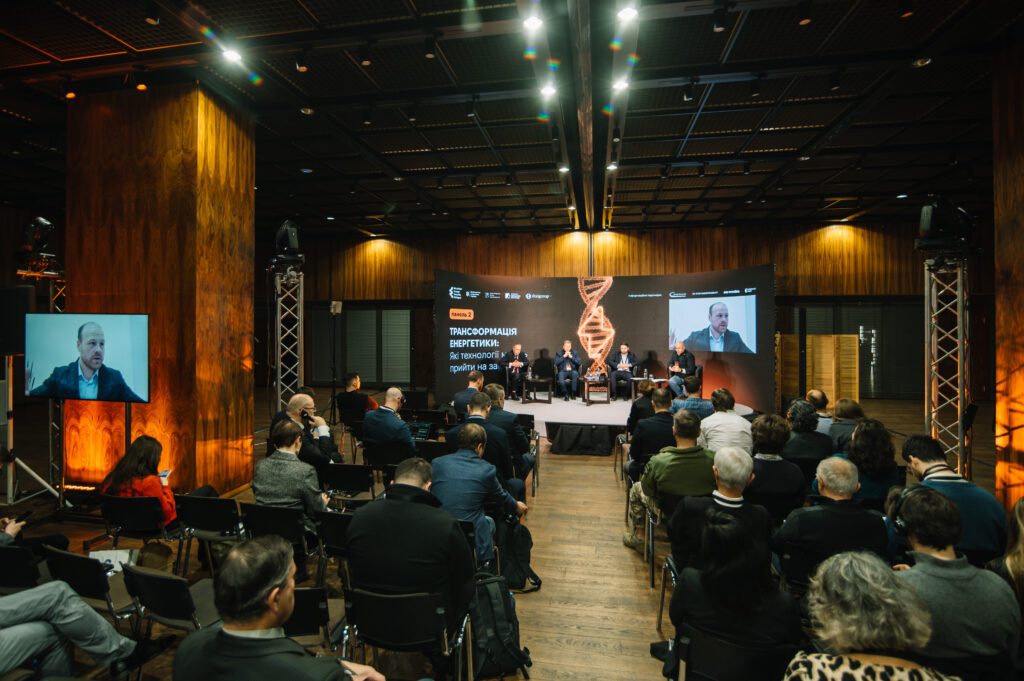
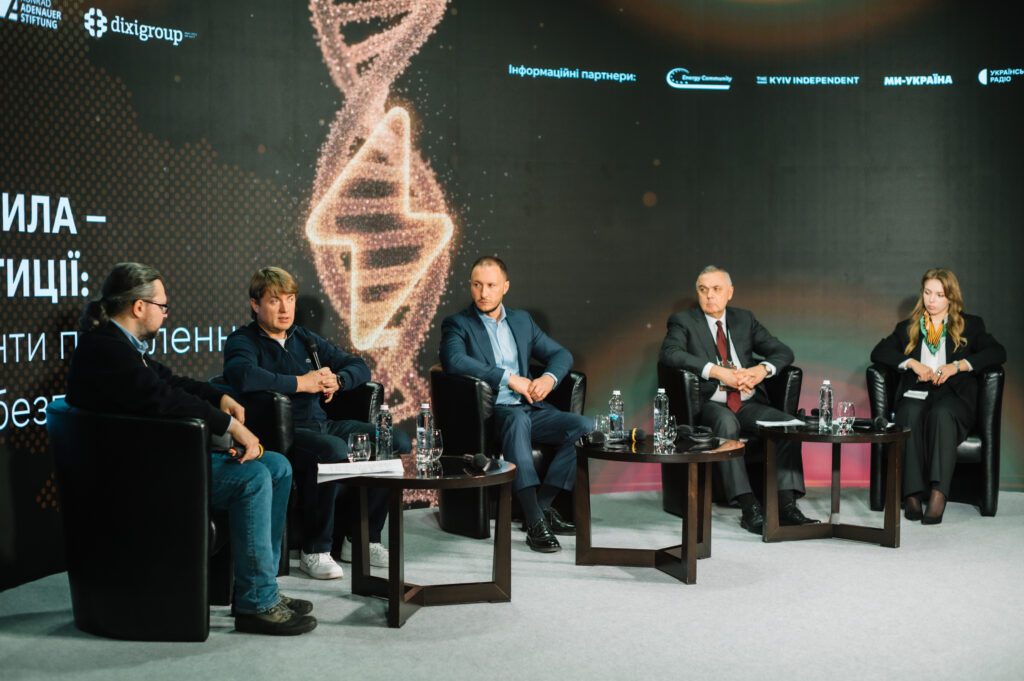
The event was organized by DiXi Group NGO under the auspices of the Ministry of Energy of Ukraine, with financial support from the International Renaissance Foundation within the project “Strengthening Ukraine’s Resilience in Energy”, and with financial support from the Konrad Adenauer Foundation in Ukraine.
Information partners of the event included the Energy Community Secretariat, The Kyiv Independent, We Are Ukraine,
and Ukrainian Radio.