Russia is failing to achieve its strategic goal but is creating chronic instability. This was stated in a comment to Euromaidan Press by Olena Lapenko, General Manager for Security and Resilience at DiXi Group.
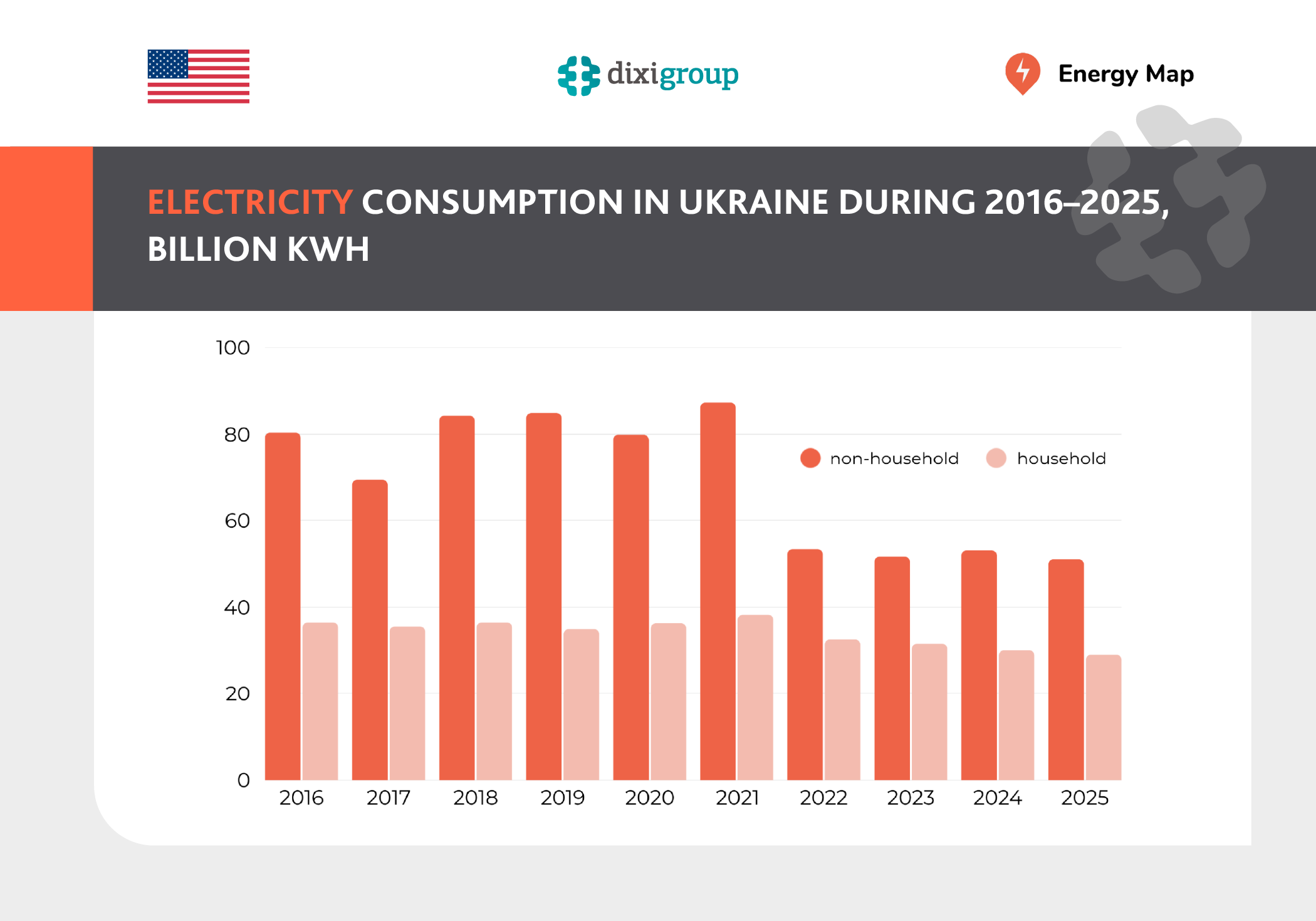
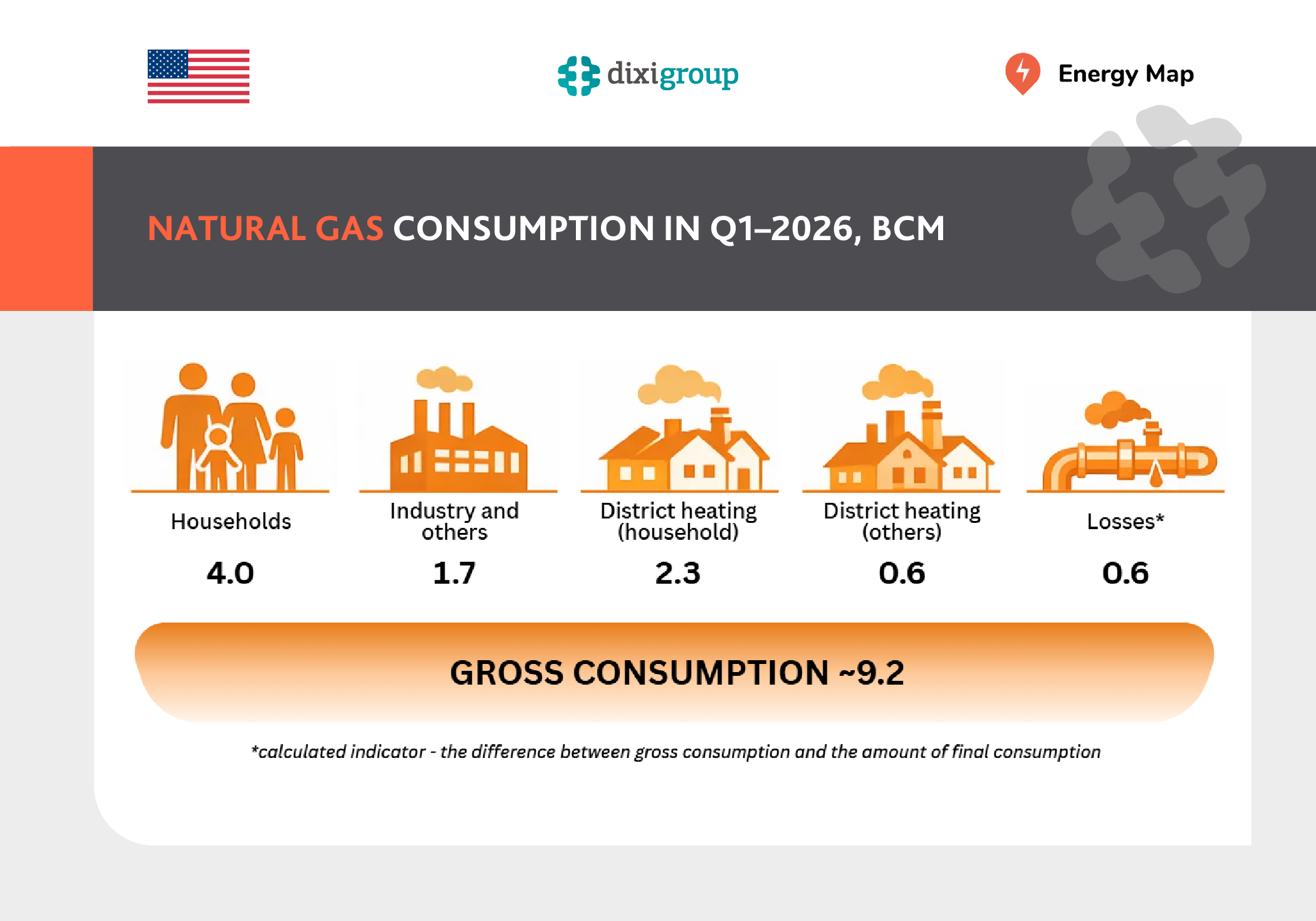
“Ukraine’s energy system is not broken, but it is operating in a mode of constant degradation and patching,” expert said. According to Olena, the situation will persist depending on the intensity of attacks, the speed of repairs, and temperatures. Cold weather increases electricity consumption while simultaneously making restoration efforts more difficult. The overall pattern looks wave-like: escalation, stabilization, and new strikes.
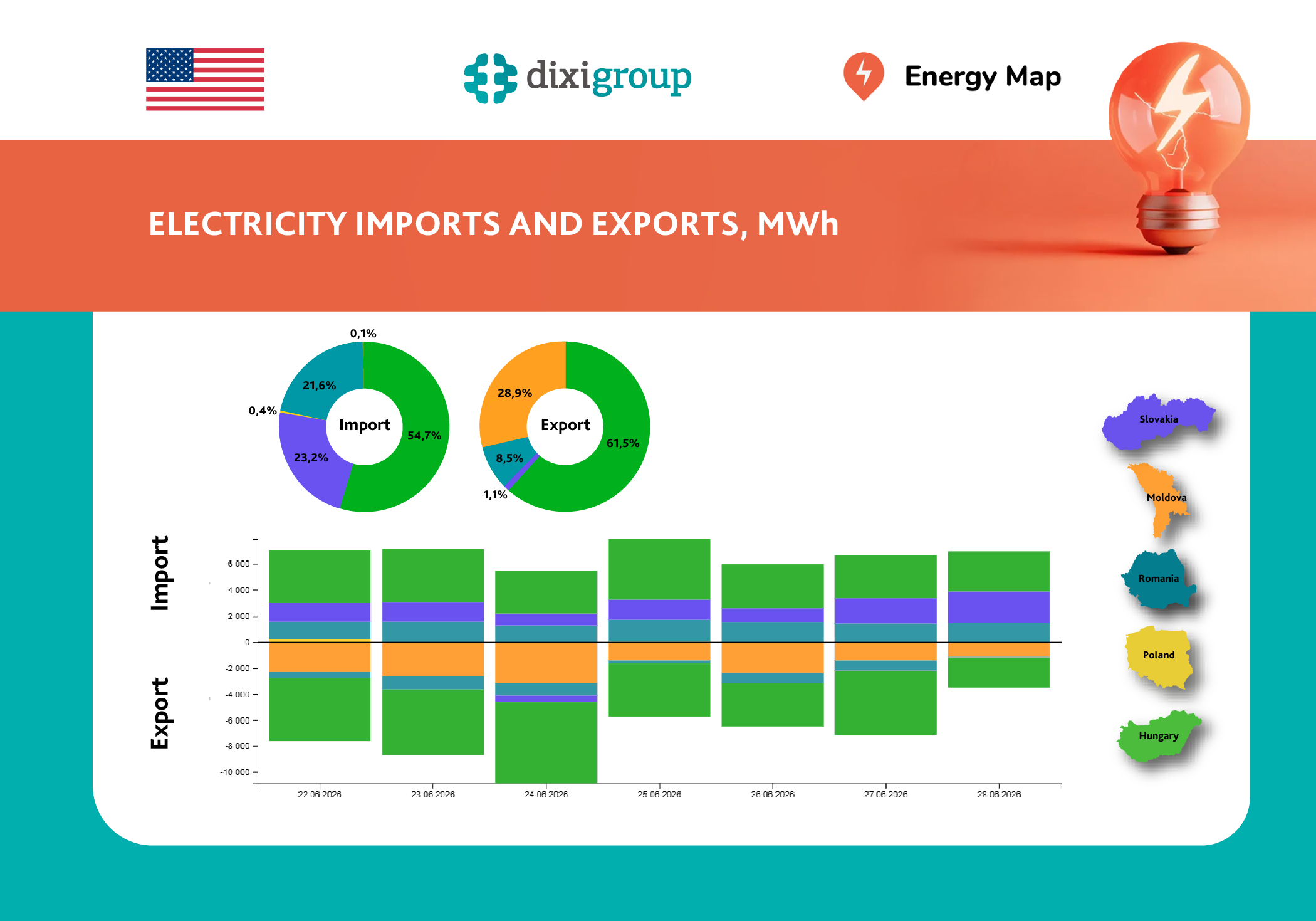
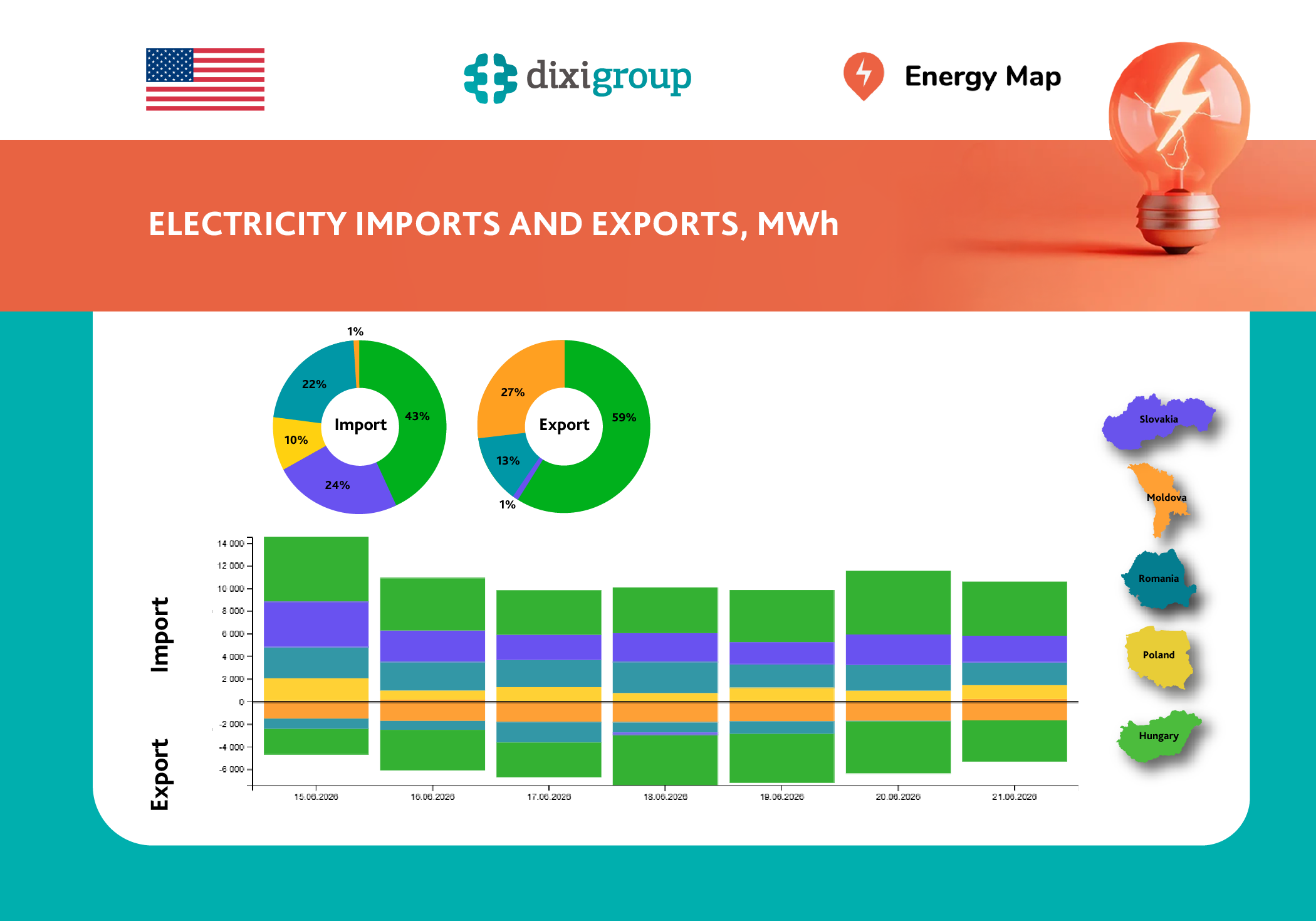
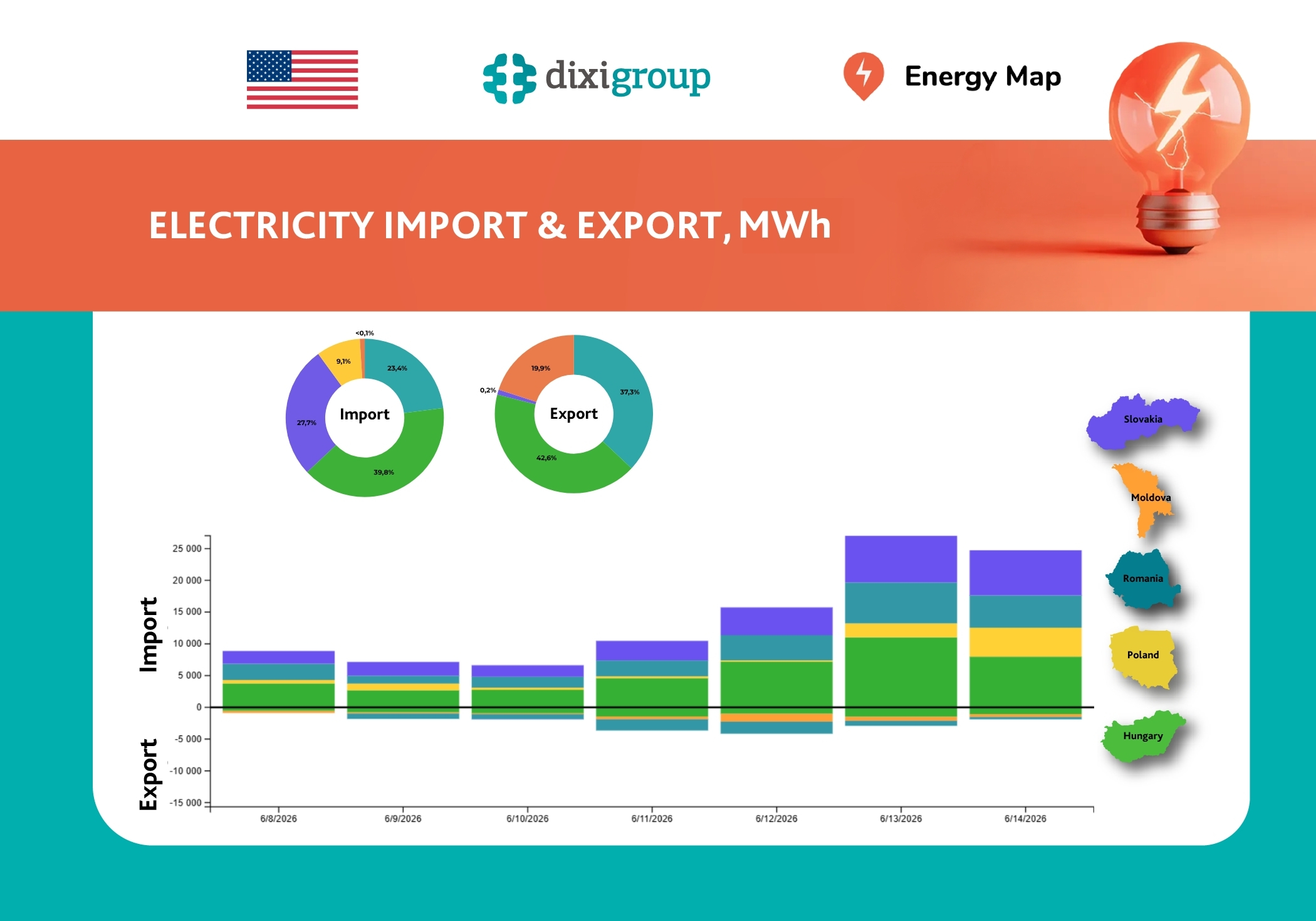
The economic consequences are already evident: emergency shutdowns of steel plants, mines, and chemical facilities; damage to equipment due to constant restarts; no electricity exports since early November; and rising electricity and fuel prices.
The National Bank of Ukraine has capped its GDP growth forecast for 2026 at 2%. The real constraints are not financing, but electricity shortages and a lack of workforce.
In the article, Bohdan Serebrennikov, Deputy Research Director at DiXi Group, emphasizes that industry has no priority in electricity supply and is subject to the same outages as households. He adds: “The deficit drives up electricity prices for businesses, increasing costs and undermining the competitiveness of Ukrainian goods on both domestic and global markets.”
As experts note, “Ukraine’s resilience will continue to depend on the effectiveness of air defense, sustained partner support, and how much of the industrial base remains once the attacks stop”.
Read more in the Euromaidan Press article: https://bit.ly/4qi7caJ