Proactive risk tracking and opportunity seeking can be crucial for building sustainability in the energy sector of Central Europe.
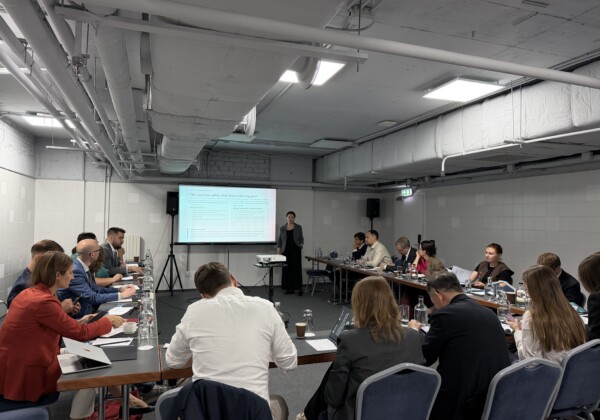
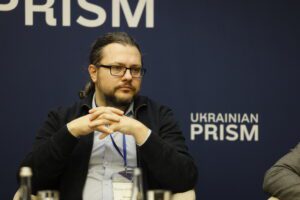
This was stated by Roman Nitsovych, Research Director at DiXi Group, during his speech at the Ukrainian Central European Forum (UCEF 2025) organized by Ukrainian Prism.
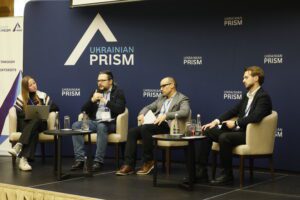
“The European Commission’s Strategic Foresight for 2025 presents the concept of resilience 2.0. This approach recognizes the need to proactively monitor not only new risks but also future opportunities, as well as to take into account atypical or difficult-to-imagine scenarios,” the expert noted in his speech.
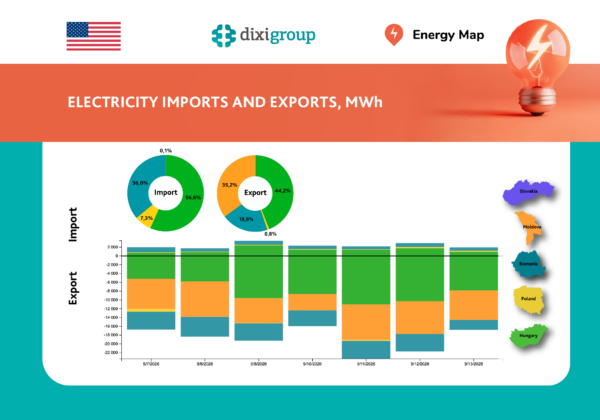
According to Roman Nitsovych, the formation of a sustainable energy system in the region will reduce the impact of negative factors such as targeted massive attacks, which Ukrainian energy facilities have been facing for the fourth year in a row. In addition, sufficient flows between countries will cover potential electricity shortages.
In addition, countering disinformation campaigns plays an important role in resilience strategies. For example, a December public opinion poll by KIIS shows that people perceive narratives that shift the focus and responsibility from Russians to, for example, Ukraine itself or its Western partners.
Thus, 29% of respondents blame the Ukrainian government for the lack of electricity in their homes, which, in their opinion, was not properly prepared for the attacks.
And according to a nationwide public opinion poll conducted by DiXi Group in September 2024, more than a third of Ukrainians believe in manipulative versions of the use of hourly power outage schedules, such as mass electricity exports (15.4%), deliberate shortages to raise prices (18.7%), or deliberate actions by the authorities aimed at reminding people of the ongoing war (5.2%). The remaining 57.7% of respondents believe that the main reason for the blackouts is damage to energy infrastructure as a result of Russian attacks.